
April 10, 1868 - Johannes Brahms
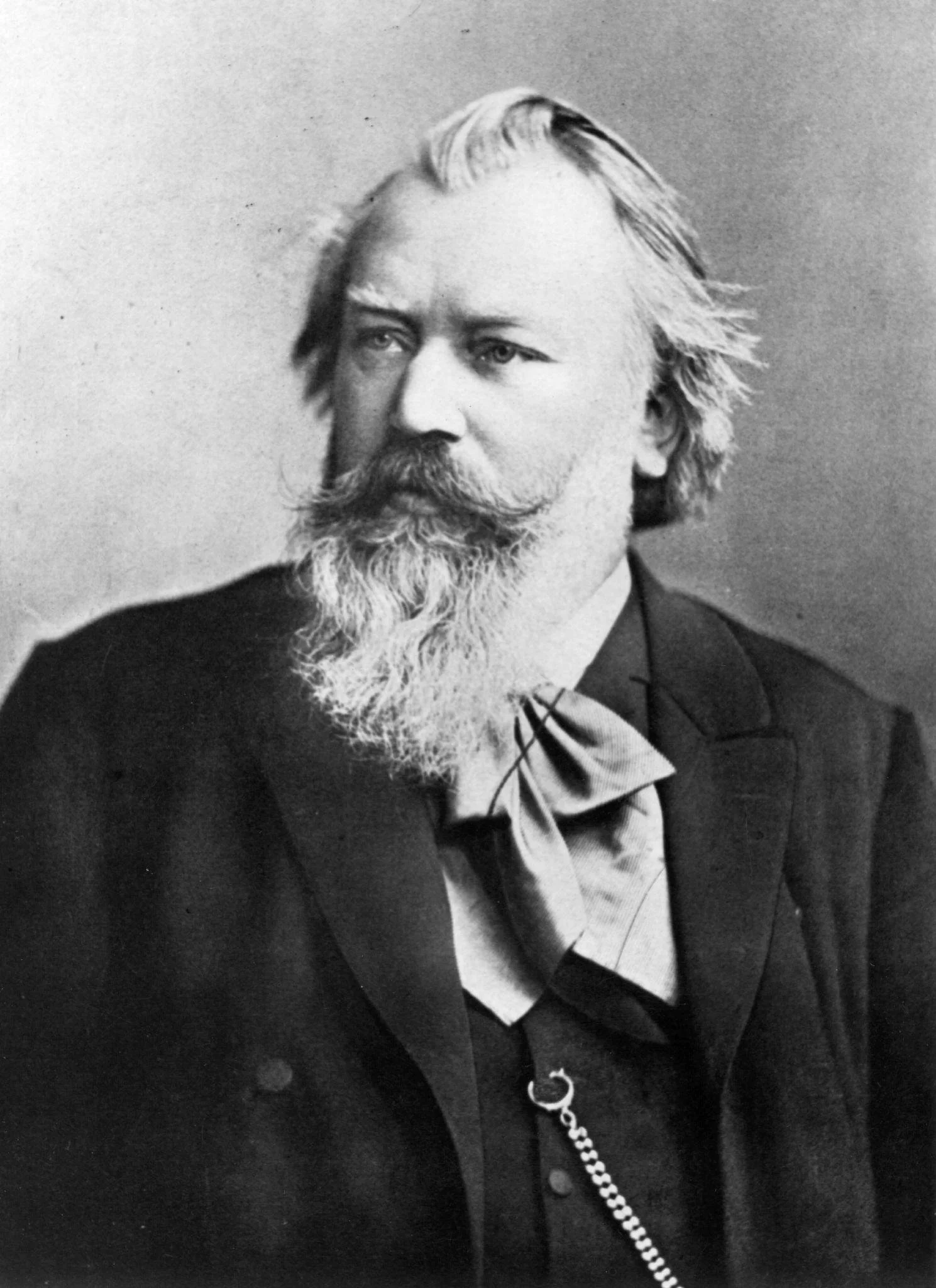
Johannes Brahms (public domain), via Wikimedia Commons.
Johannes Brahms is responsible for numerous symphonies and concertos, famously beginning composition for his piece A German Requiem in the 1860s. It is widely believed that the piece was inspired by his mother’s death, which caused him to consider themes surrounding grief, comfort, and hope as he composed. The piece was first performed at Bremen Cathedral in Bremen, Germany on April 10, 1868. Traditional Catholic requiems use the Latin Mass for the Dead, but Brahms chose texts directly from the German translation of the Bible, which is frequently associated with Martin Luther. He selected various passages in Scripture centering on themes like those reflected in Matthew and First Corinthians. As a result, the work was less a prayer for the dead and more focused on comfort for the living by emphasizing God’s promises and hope in resurrection. A German Requiem became one of the most significant choral works in the 19th century, bridging classical concert music and Christian sacred themes. Today, it is still performed by orchestras and choirs worldwide.
Because it is one of the most sung pieces from Brahms’ choral works, it continues to remind Christians of Christ’s message of hope beyond death. The work focuses on how God comforts those who mourn; therefore, every time it is sung, this message is spread further. Additionally, by using the German Bible instead of Latin liturgy, the work reflects a Reformation emphasis on Scripture being accessible to ordinary people.
