

Christian History Today
Resources for your journey through the exploration of Christian History.
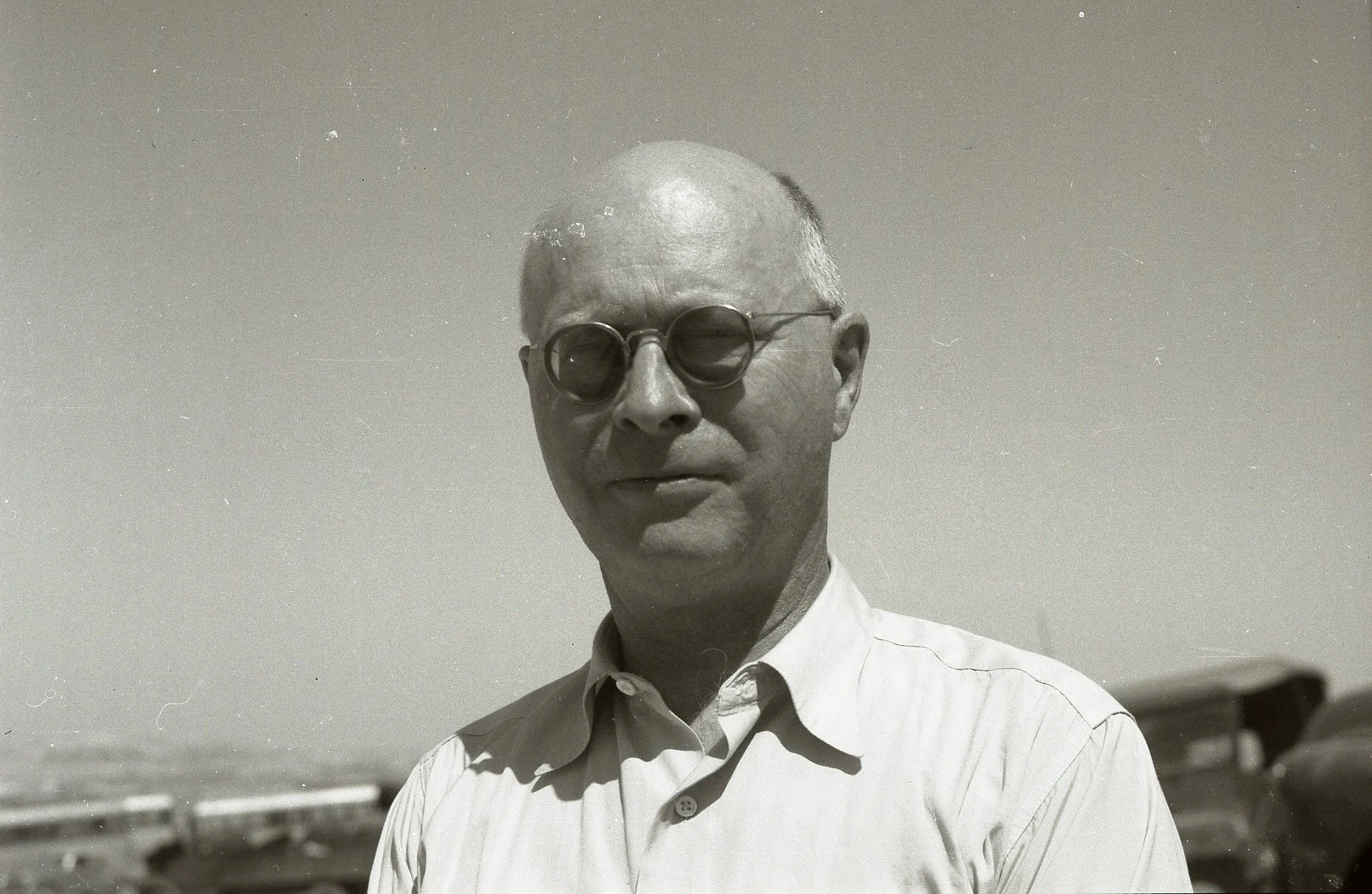
September 19, 1971 – Biblical Archaeologist William F. Albright
On September 19, 1971, William Foxwell Albright, one of the most influential biblical archaeologists of the twentieth century, died in Baltimore, Maryland, at the age of eighty. During a career spanning more than half a century, Albright helped transform the study of the ancient Near East and became particularly famous for using archaeological evidence to investigate the historical world described in the Bible.
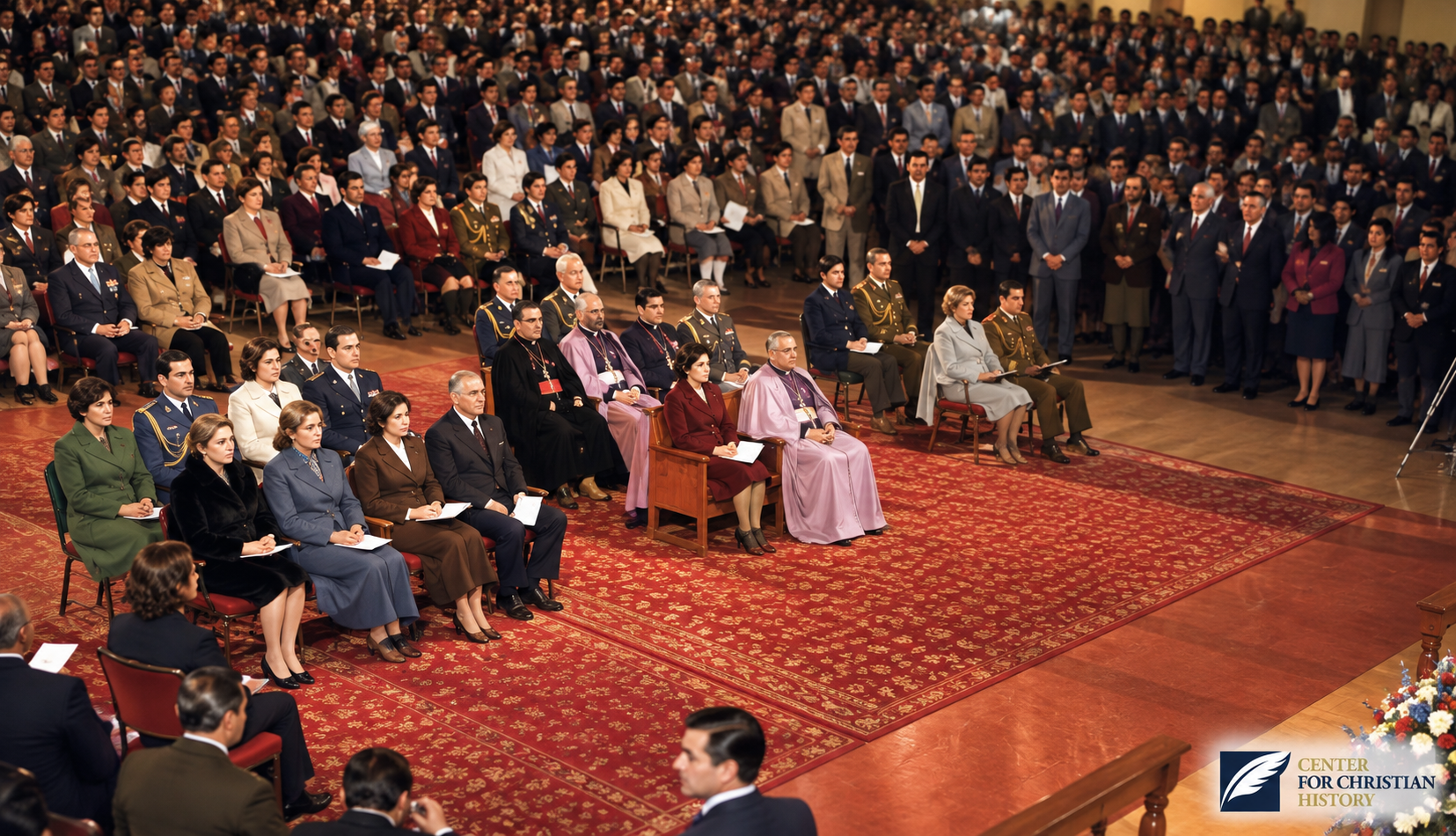
September 18, 1975 - Chile’s Growing Pentecostal Voice
When Chileans celebrated their national independence on September 18, 1975, the country’s traditional Te Deum was no longer the only major Christian service associated with the national celebration. Just four days earlier, on September 14, Chile’s rapidly growing evangelical community had held the country’s first Evangelical Te Deum, formally known as the Servicio de Acción de Gracias or Service of Thanksgiving. The new ceremony connected Chile’s September independence observances with one of the most significant developments in twentieth-century Latin American Christianity: the extraordinary growth of Pentecostalism.

September 17, 1717 - America’s First Presbyterian Synod Meets in Philadelphia
Long before Presbyterianism became one of the major Protestant traditions in the United States, its congregations in the American colonies were scattered across a large territory and often separated by considerable distances. By the beginning of the eighteenth century, however, Presbyterian ministers had begun creating a system of church government that connected these congregations. An important step in that process occurred on September 17, 1717, when the first Presbyterian synod in the American colonies met in Philadelphia.
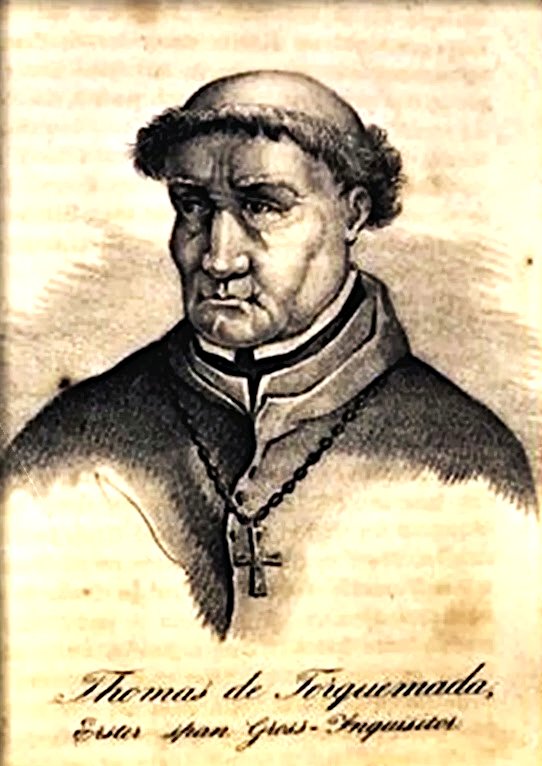
September 16, 1498 - Tomás de Torquemada
Few names have become as closely associated with religious persecution as Tomás de Torquemada, the Dominican friar who became the first Inquisitor General of the Spanish Inquisition. Torquemada died at Ávila on September 16, 1498, after helping construct an institution that would continue operating in various forms for more than three centuries.
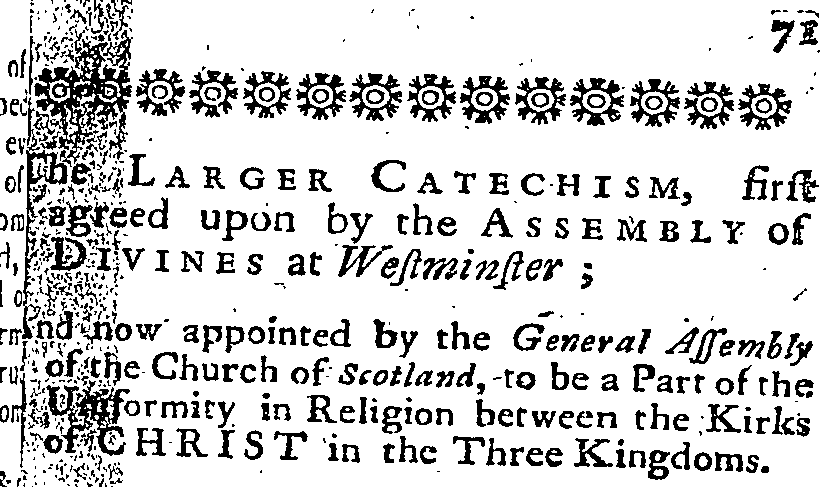
September 15, 1648 - Westminster Catechisms
On September 15, 1648, the English Parliament ordered the Westminster Assembly’s catechisms printed for public use. Behind that seemingly ordinary act of publication stood years of theological debate, political maneuvering, and civil war. The Westminster Larger and Shorter Catechisms would ultimately have a far greater influence outside the Church of England than the political circumstances surrounding their creation might have suggested.

September 14, 1741 - Handel Completes Score for Messiah
Few works of Christian music are as immediately recognizable as George Frideric Handel’s Messiah. Its famous “Hallelujah” chorus has been performed in churches, concert halls, royal celebrations, and community productions for generations. Yet the chorus is only one part of a much larger work constructed almost entirely from Scripture. On September 14, 1741, Handel completed the score after an extraordinary period of composition lasting only twenty-four days.
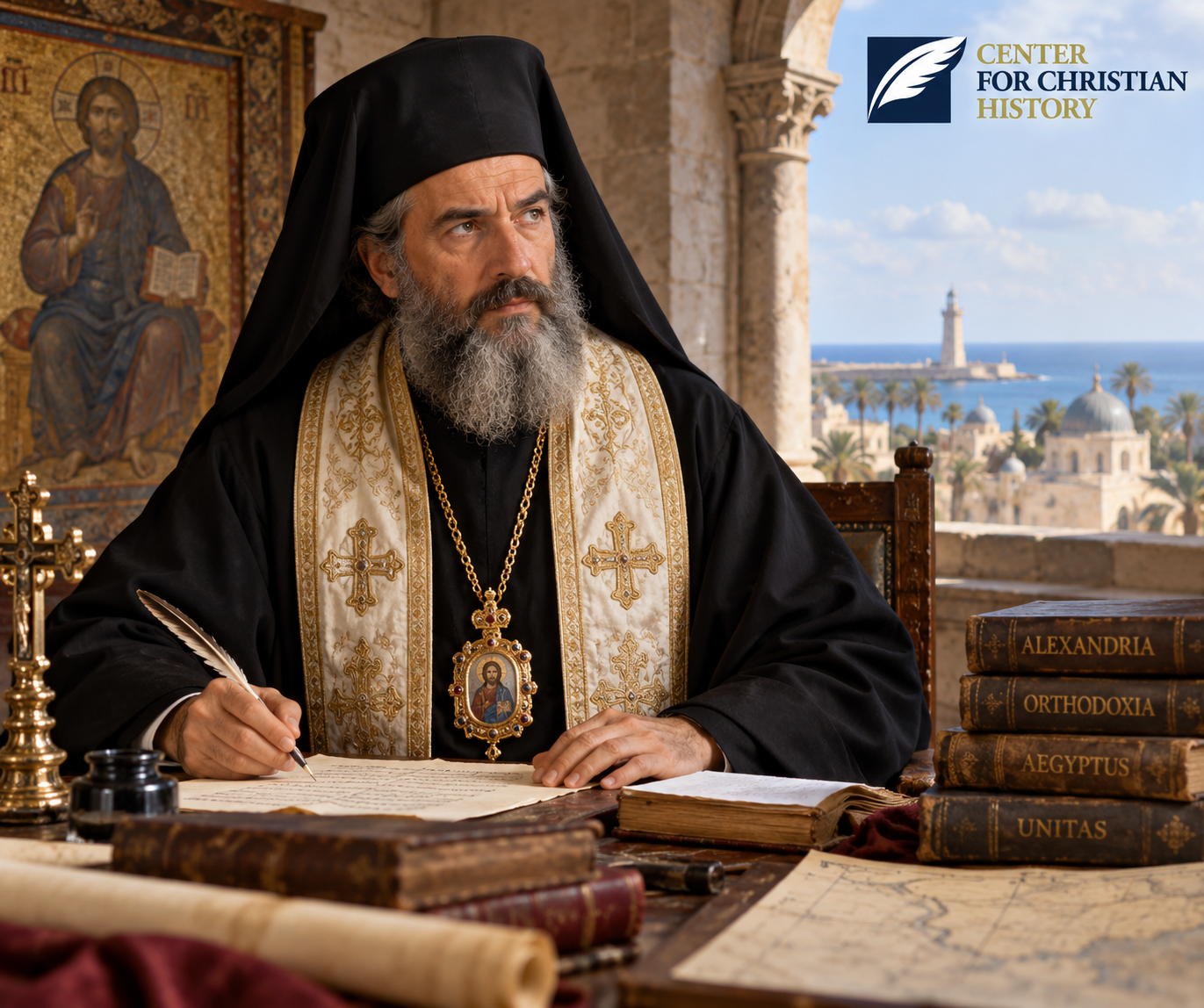
September 13, 1601 - Patriarch of Alexandria Meletius Pegas
On September 13, 1601, Meletius Pegas, one of the most influential Eastern Orthodox churchmen of the late sixteenth century, died in Alexandria at about fifty-two years old. His career unfolded during an era when ancient Christian divisions collided with the religious conflicts created by the Protestant Reformation and Catholic Counter-Reformation. As Patriarch of Alexandria, Meletius attempted something particularly ambitious: defending Eastern Orthodoxy against Roman Catholic influence while simultaneously seeking closer relations with the Coptic Christians of Egypt.
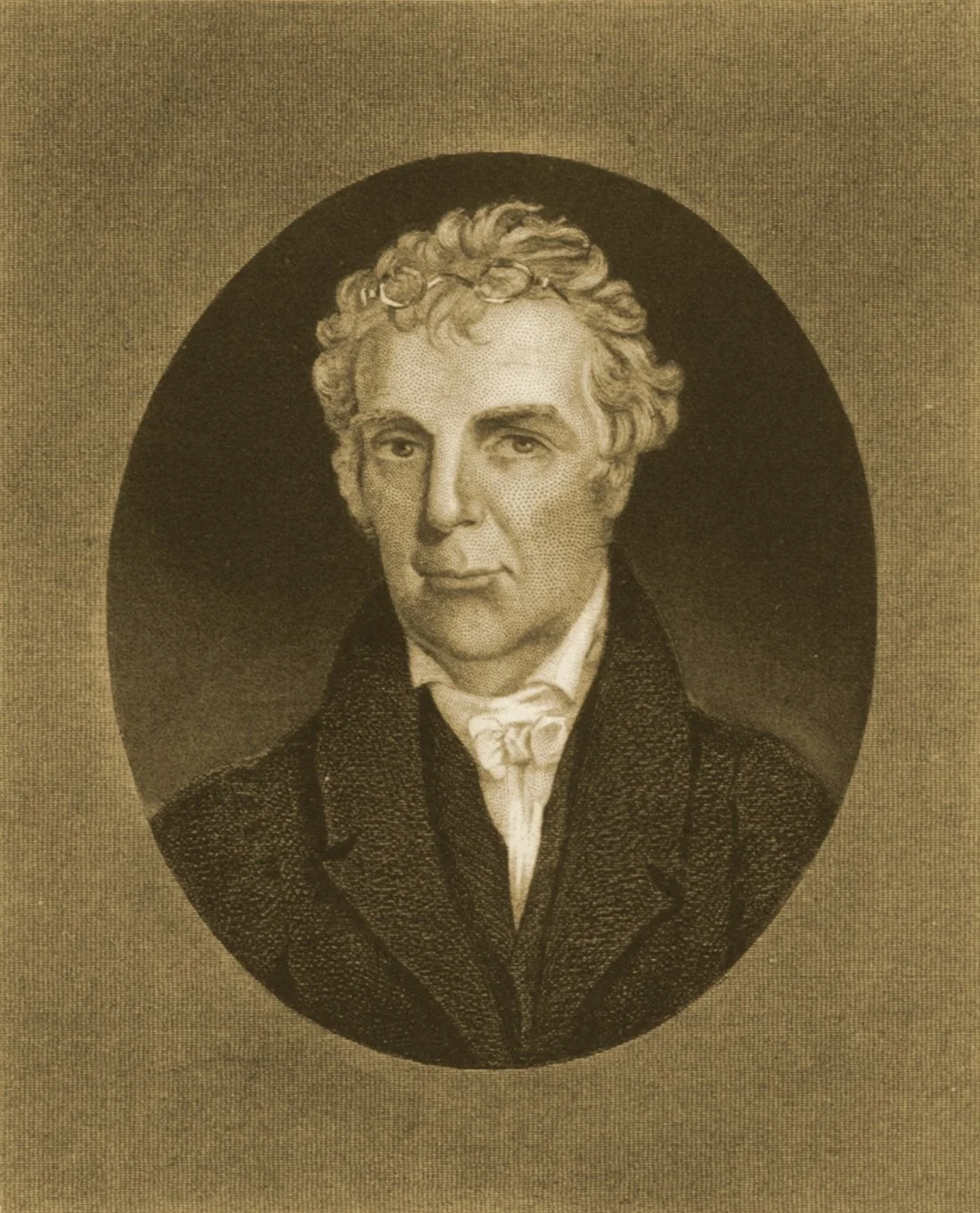
September 12, 1803 - Stone-Campbell Movement Begins
On September 13, 1844, Barton Warren Stone died at the home of his daughter in Hannibal, Missouri. By then, the seventy-one-year-old preacher had spent more than four decades challenging the denominational divisions of American Christianity. What began amid the revivals of the Kentucky frontier eventually helped produce one of the largest religious movements to emerge from the early United States.
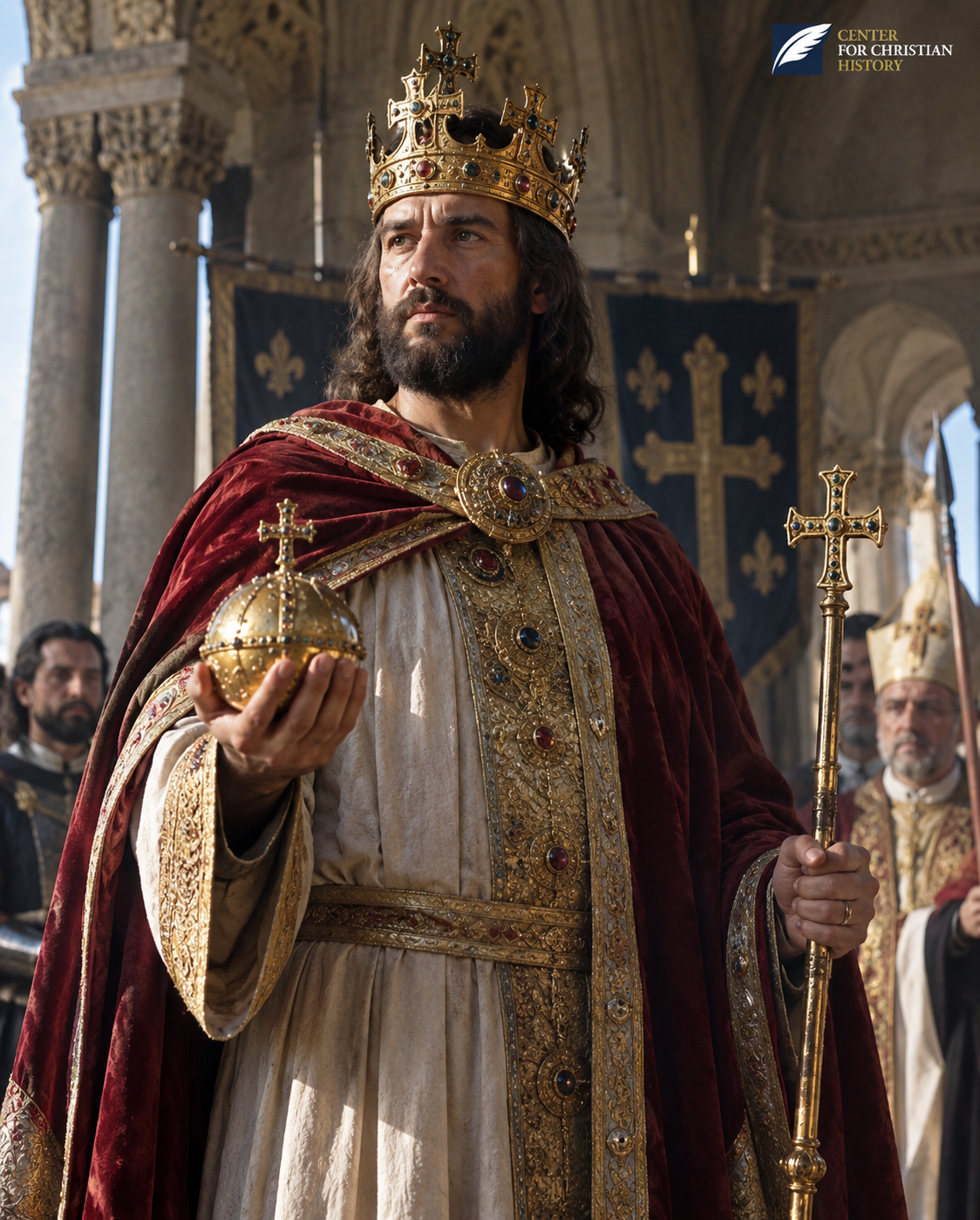
September 11, 813 - Charlemagne Names Louis the Pious Co-Emperor
Near the end of his long reign, Charlemagne faced a problem that had troubled rulers for centuries: succession. Two of his legitimate sons had died, leaving Louis, king of Aquitaine, as his only surviving legitimate son and heir. On September 11, 813, at Aachen, Charlemagne elevated Louis to share the imperial title with him. When Charlemagne died only a few months later, on January 28, 814, Louis inherited one of the largest political realms Western Europe had seen since the fall of the Roman Empire.
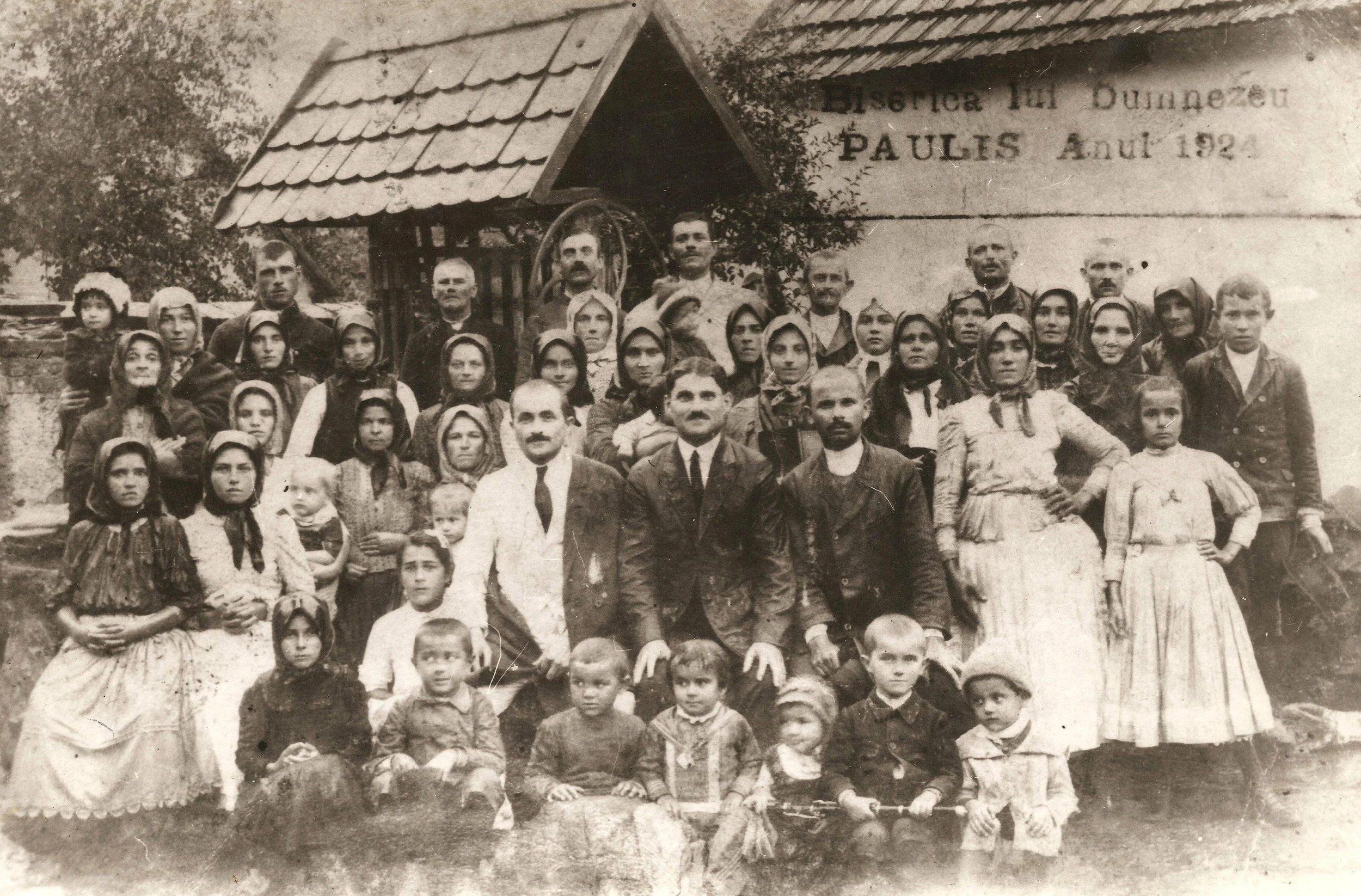
September 10, 1922 - Romania’s First Pentecostal Congregation
A small gathering in the western Romanian village of Păuliș became the center from which Pentecostalism would spread across Romania. On September 10, 1922, Gheorghe Bradin opened what is generally regarded as the country’s first organized Romanian Pentecostal congregation. The movement that began there would face opposition from both church and state before eventually becoming one of Romania’s largest Protestant traditions.

September 9, 1925 - Christiana Abiodun and the Cherubim and Seraphim Movement
On September 9, 1925, a Christian prayer movement in Lagos, Nigeria, took an important step toward becoming one of Africa's most distinctive independent churches. At its center was Christiana Abiodun Akinsowon, a seventeen-year-old Yoruba woman whose reported visions helped launch what became the Cherubim and Seraphim movement. Its emphasis on prayer, prophecy and divine healing attracted thousands, but some of its beliefs and practices also troubled Catholics, Anglicans, and other Protestants who questioned whether the movement remained within historic Christian boundaries.
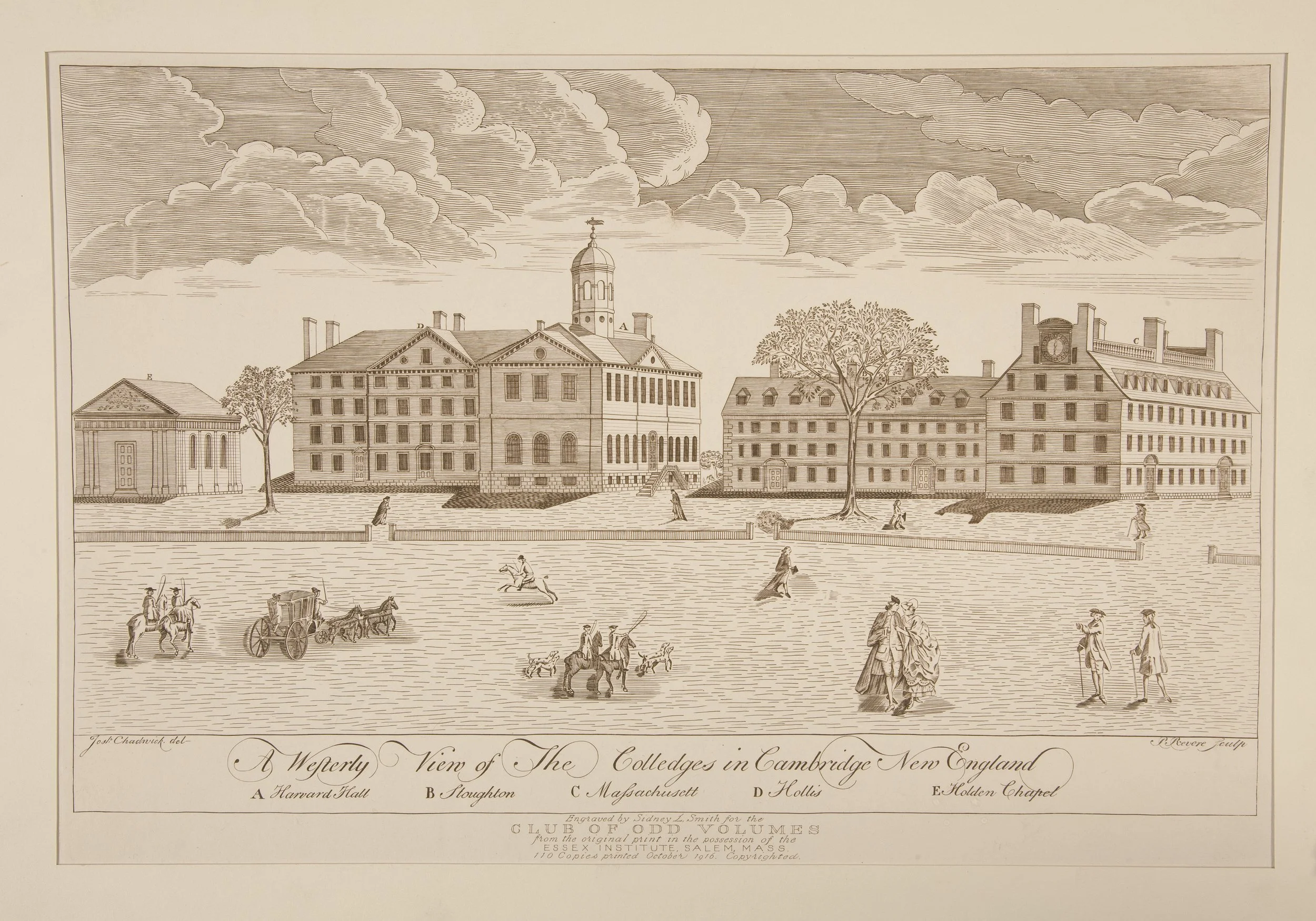
September 8, 1636 - Harvard College Founded
Education was not an afterthought for the Puritans who settled Massachusetts Bay. Within only a few years of establishing their colony, they began planning an institution of higher learning that could educate the next generation of ministers. On September 8, 1636, according to the calendar then in use, the Massachusetts General Court voted £400 toward the establishment of what would become Harvard College—the first institution of higher education in the English colonies of North America.
September 7, 1807 - Robert Morrison Lands in China
When Robert Morrison reached Canton on September 7, 1807, he entered a country where the work he had come to accomplish was officially forbidden. The 25-year-old English missionary had been sent by the London Missionary Society with an ambitious assignment: learn Chinese, translate the Scriptures, and establish a Protestant missionary presence among the Chinese people. Morrison would see relatively few converts during his lifetime, but his work in translation, printing, education, and language study helped establish a foundation for the Protestant missionary movement in China.
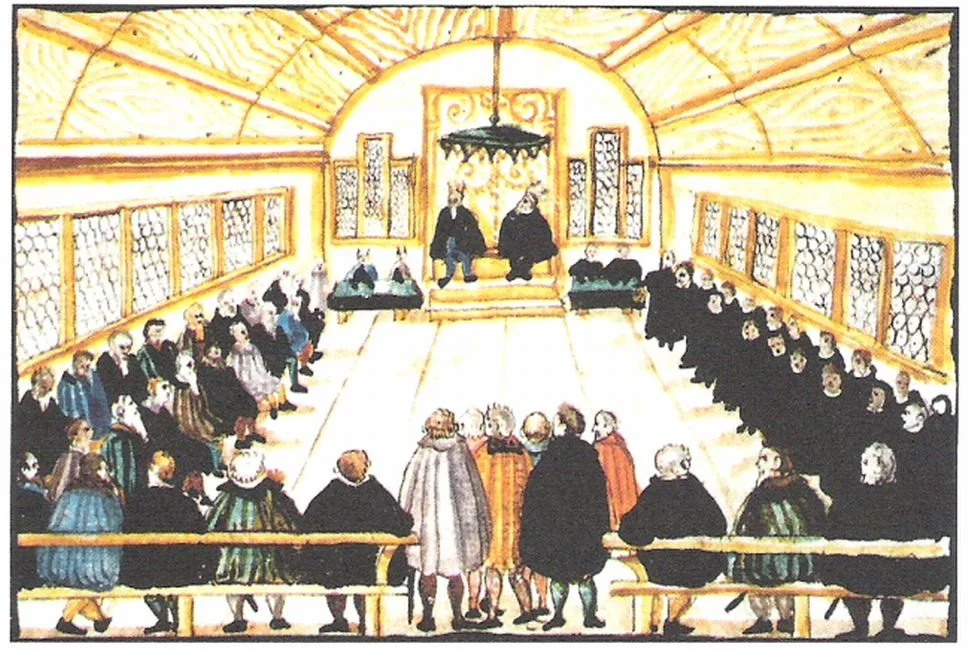
September 6, 1529 - George Blaurock and the Birth of the Anabaptist Movement
George Blaurock’s death on September 6, 1529, came only four years after he participated in an event often associated with the beginning of the Anabaptist movement. A former Roman Catholic priest who became one of the most active leaders of the Radical Reformation, Blaurock spent his final years preaching, baptizing converts, establishing congregations, and repeatedly fleeing authorities. His execution by burning at Klausen in the Tyrol reflected the intense religious conflict surrounding Anabaptism during the early Reformation.
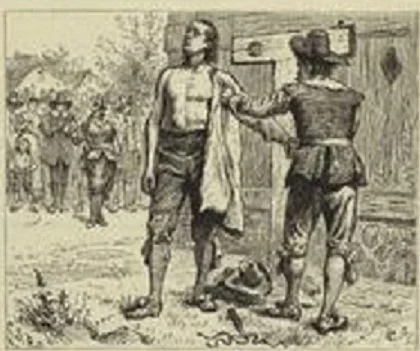
September 5, 1651 - Obadiah Holmes Publicly Beaten in Boston
The public whipping of Obadiah Holmes in Boston on September 5, 1651, became one of the most notorious examples of religious persecution in colonial New England. Holmes received thirty lashes with a three-corded whip after refusing to pay a fine imposed for his Baptist activities. His punishment exposed a fundamental conflict developing in the English colonies: whether civil governments possessed the authority to enforce religious conformity or whether individuals and churches should be free to follow their own convictions.

September 4, 1666 - Great Fire of London Destroys St. Paul’s Cathedral
By the evening of September 4, 1666, one of medieval London’s greatest landmarks had become an inferno. Flames engulfed Old St. Paul’s Cathedral, melting the lead from its roof and leaving the centuries-old church a burned-out ruin. Its destruction was one episode in the catastrophic Great Fire of London, but it also opened the way for Christopher Wren to create the cathedral whose great dome remains one of the most recognizable symbols of the city.
September 3, 1905 - Sundar Singh the Christian Sadhu of India Baptized
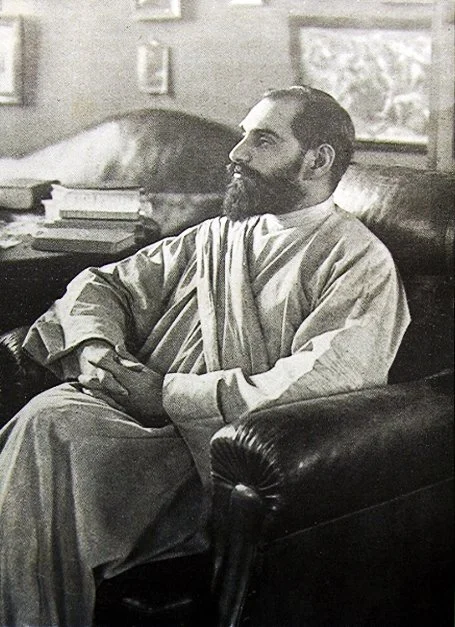
On September 3, 1905, his sixteenth birthday, Sundar Singh was baptized as a Christian in Simla, in northern India. The baptism marked the public culmination of a remarkable conversion that had already cost the young Sikh his place within his family. In the decades that followed, Sundar would become known internationally as “Sadhu Sundar Singh,” combining the traditional appearance and lifestyle of an Indian holy man with an explicitly Christian message.
September 2, 1973 - J.R.R. Tolkien Dies
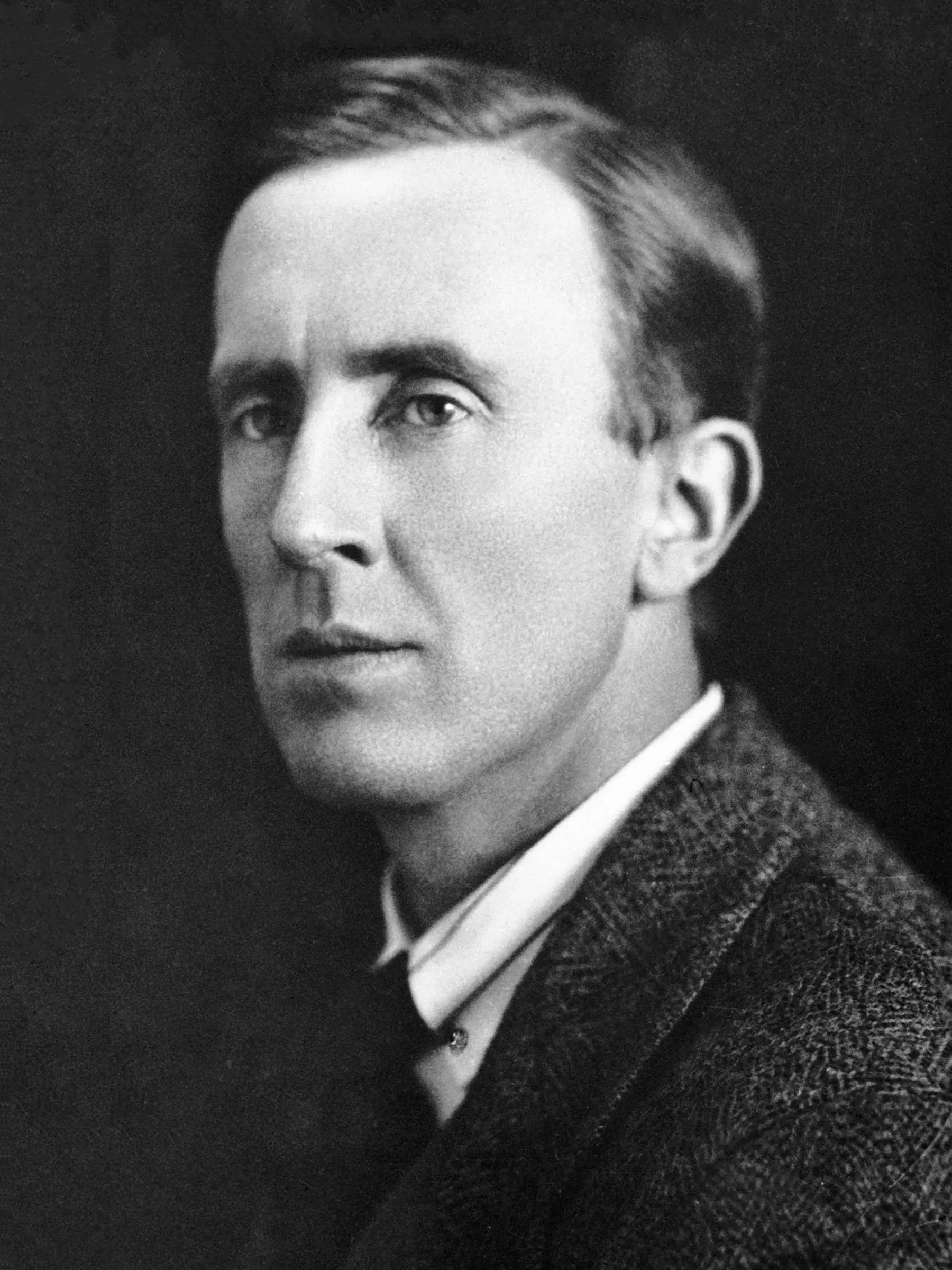
On September 2, 1973, J.R.R. Tolkien died at the age of eighty-one while visiting friends in Bournemouth, England. By then, the Oxford professor and philologist had become one of the most influential fantasy writers of the twentieth century. The Hobbit and The Lord of the Rings had introduced millions of readers to Middle-earth, yet the religious convictions of the man who created that world were considerably less obvious. Tolkien was a devout Roman Catholic, and although Christianity rarely appears explicitly in his best-known fiction, he acknowledged that his faith profoundly shaped the stories he told.
September 1, 1159 - Pope Adrian IV Dies
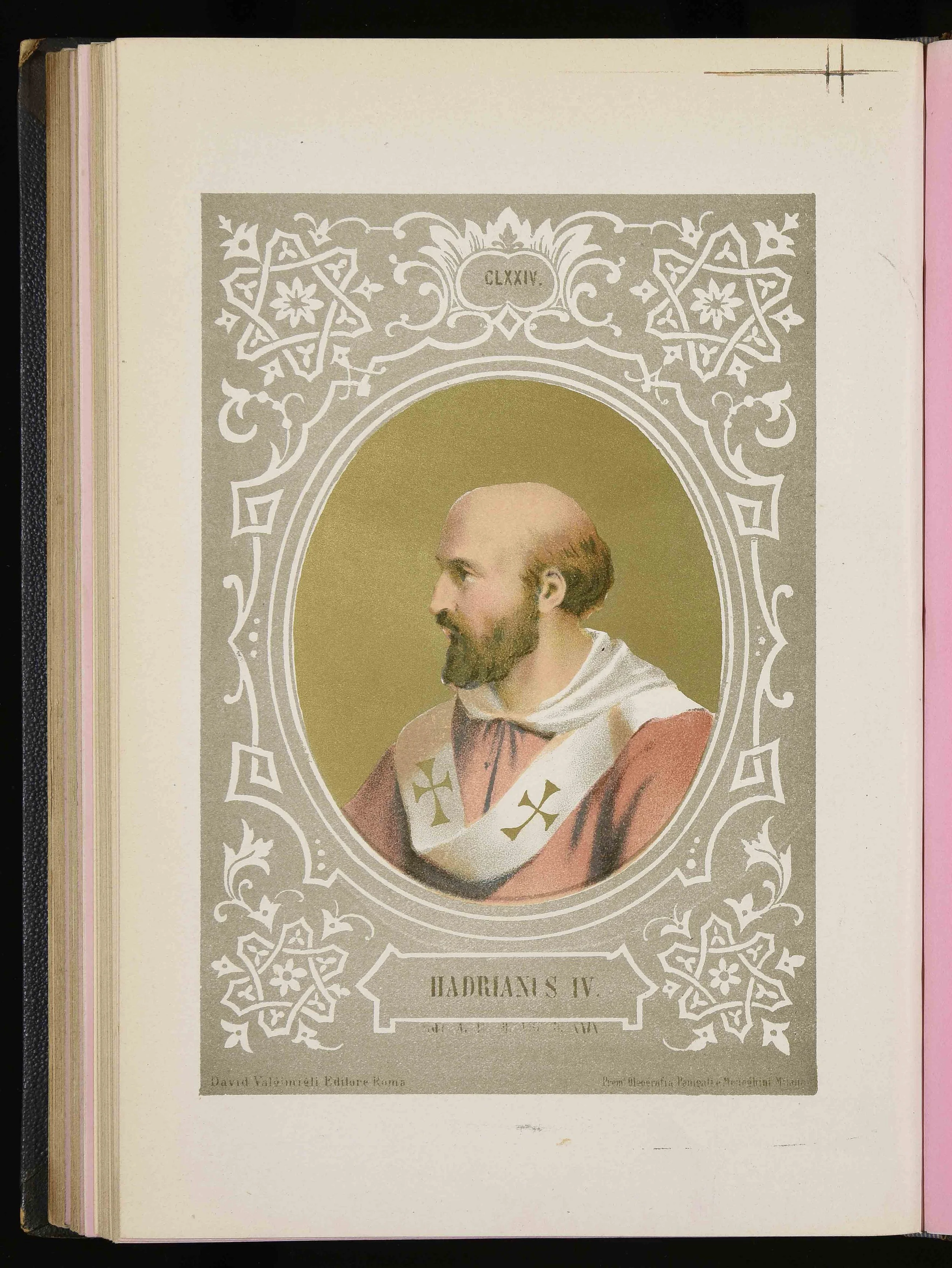
On September 1, 1159, Pope Adrian IV died at Anagni, bringing to an end a five-year pontificate that unfolded amid some of the most important struggles between church and political authority in medieval Europe. Born Nicholas Breakspear in England around 1100, Adrian remains the only Englishman ever to have served as pope. Yet the importance of his career extends well beyond that distinction. His work in Scandinavia and his confrontations with rulers in Italy and the Holy Roman Empire placed him near the center of the twelfth-century expansion of papal authority.
August 31, 1735 - John Sergeant Ordained
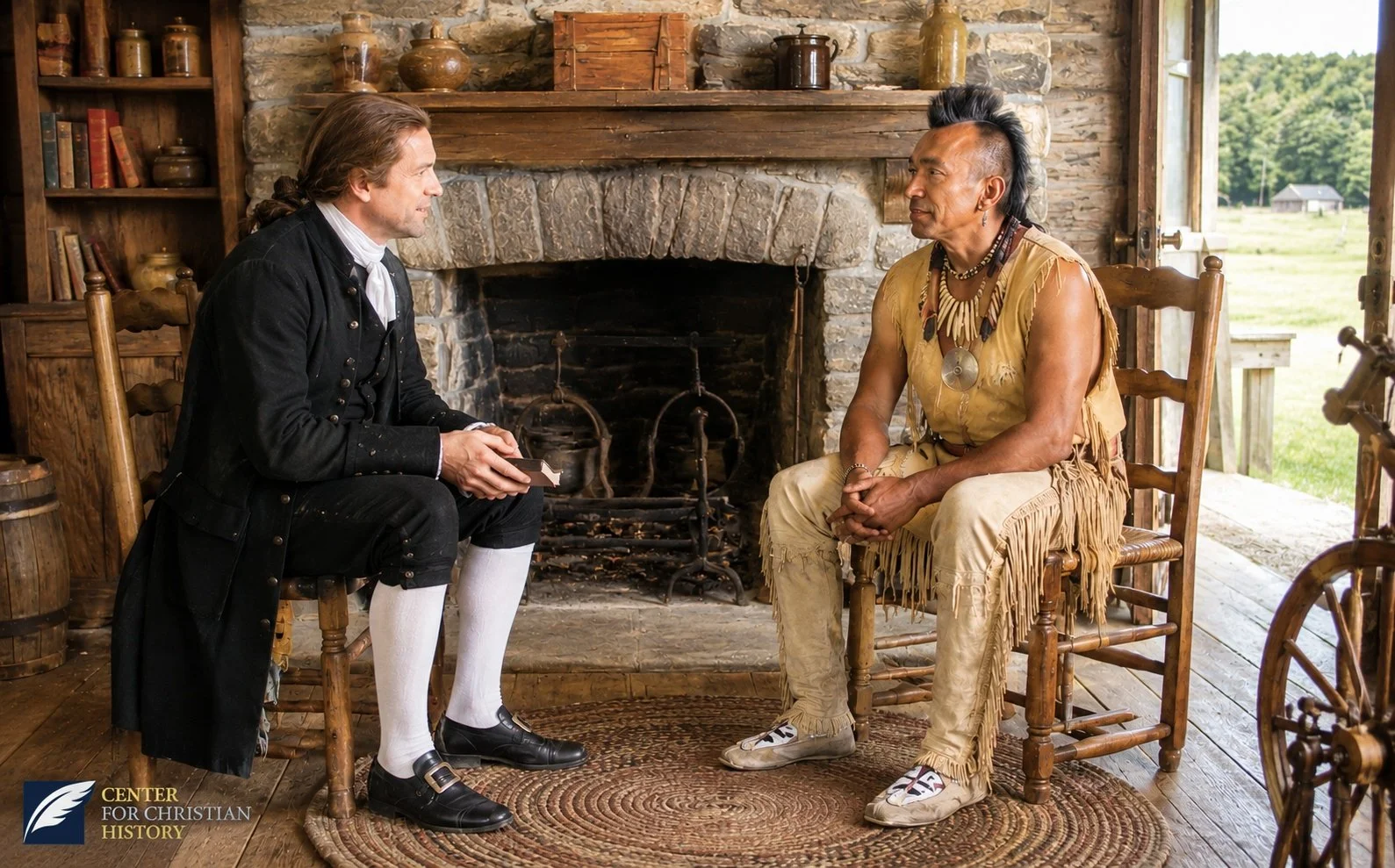
One missionary whose work shaped both Native American and colonial history was John Sergeant. Ordained on August 31, 1735, Sergeant dedicated his ministry to the Mahican people of western Massachusetts and the Hudson River Valley. Rather than serving established English congregations, he lived among the Mahicans, learned about their culture, and sought to share Christianity through preaching, education, and Bible instruction.