
April 27, 1960 - Protest Saves Polish Cross
Public domain portrait of Queen Elizabeth I (1533–1603). Source: Wikimedia Commons. Artwork created in the 16th century; no known copyright restrictions.
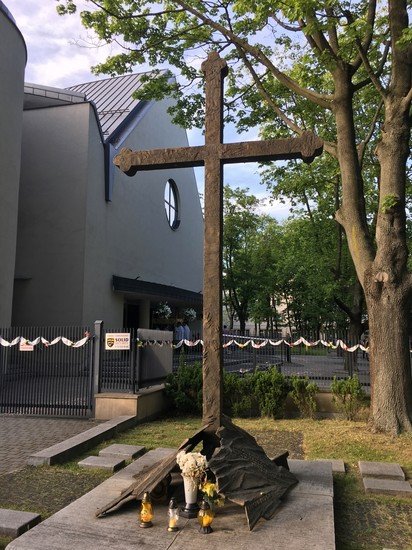
With Marxism on the rise, Nowa Huta, Poland was planned to be a communist city fashioned to be a model of an atheistic, industrial society with no churches. On April 27, 1960, police were deployed to remove a cross from a church construction site, which sparked what is frequently known as the “Defense of the Cross” protests. The protests were largely led by working-class catholics, illuminating grassroots resistance. The protests began with women, but men soon joined to guard the women from police brutality. As a result, riots broke out. The Polish government was under Soviet-backed communist control, promoting state atheism. Before they were suppressed, the rioters burned the Communist headquarters. These riots became a symbol of religious resistance in Poland. Karol Wajtyla (later Pope John II) supported the efforts to build a church in Nowa Huta and was deeply connected to the movement. The construction of a church in the city displayed a significant victory for religious freedom. The Defense of the Cross protests contributed to a broader pattern of resistance that influenced later movements like Solidarity in the 1980s.
Based on the Defense of the Cross protests, modern Christians are able to see that ordinary believers- not just leaders- can shape history. It also serves as a reminder of the ongoing reality of Christian persecution around the world, which encourages believers to consider how they would respond if their freedom to worship were threatened. Regardless, faith can endure and even grow under opposition as long as Christians stand firm in faith under political pressure.