
April 26, 1877 - Day of Prayer Ends Grasshopper Plague
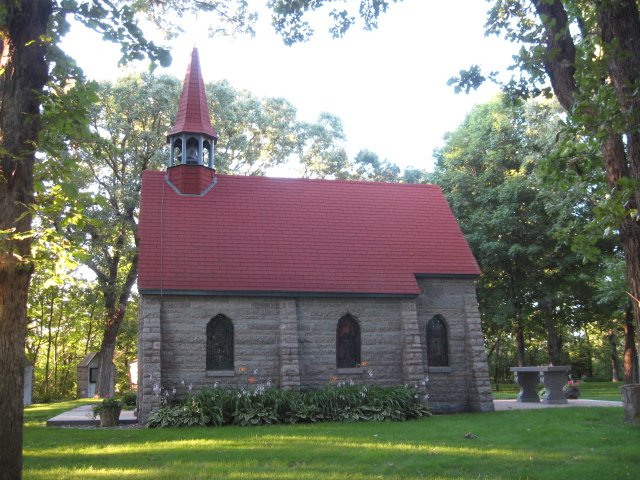
Assumption Chapel (Grasshopper Chapel), Minnesota. Photo by McGhiever, CC BY-SA 3.0, via Wikimedia Commons.
In the late 1870’s, the Grasshopper Plague of 1877 engulfed the Minnesota farmlands as part of a larger series of locust infestations across the American Midwest. The insects were Rocky Mountain Locusts, a now-extinct species that caused mass destruction in the nineteenth century. On April 26, 1877, John Sargent Pillsbury declared a statewide day of prayer, fasting, and repentance. Over the next two days, warm weather allowed millions of larvae to hatch, but on the fourth day, an unusually late cold front, viewed by mant as providential timing, brought snow and froze the larvae. Several months later, the grasshoppers fled. Local parishioners built a chapel to commemorate the event. This chapel is known as the Assumption Chapel, often known as the “Grasshopper Chapel.” This chapel remains a historical landmark and religious landmark that symbolizes deliverance and divine intervention. Although this practice may seem unusual today, this event occurred during a time when American communities still practiced public calls to prayer during crises.
This event reminds people of the power and importance of corporate prayer in times of crisis. This event encourages believers to remember God’s sovereignty over nature and circumstances and to turn to God in trials instead of human solutions. The Chapel is a reminder of gratitude and remembrance, and it challenges modern Christians to consider how they respond to national or local hardships. In reflecting on this story, believers also reflect on faith versus coincidence which is a relevant discussion for all Christians.
