

Christian History Today
Resources for your journey through the exploration of Christian History.
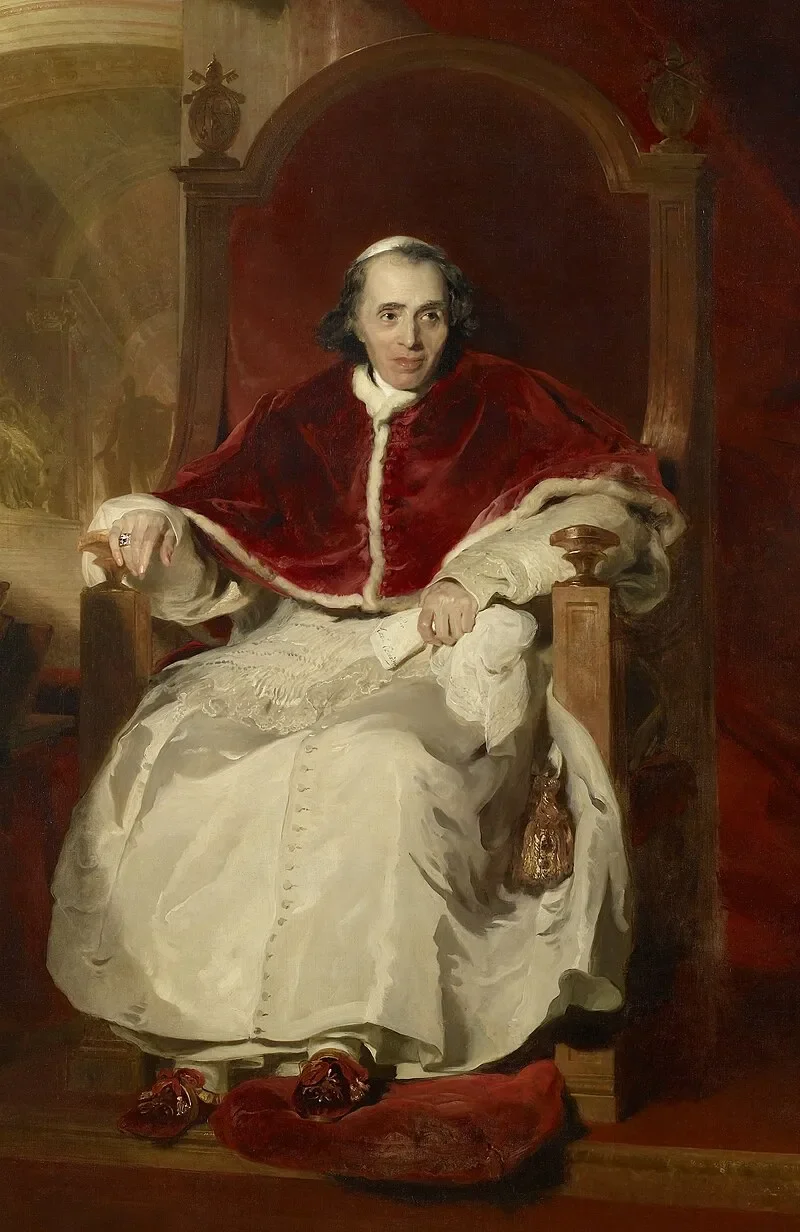
August 7, 1814 - Pope Pius VII Restores the Jesuits
For more than forty years, the Society of Jesus (Jesuits) existed only in scattered regions after Pope Clement XIV suppressed the order in 1773 under intense political pressure from several European monarchies. That changed on August 7, 1814, when Pope Pius VII formally restored the Society of Jesus throughout the Catholic Church.
August 6, 1221 - St. Dominic Dies
When Dominic de Guzman founded the Order of Preachers in 1216, his vision was to equip Christians with a deep understanding of Scripture so they could faithfully proclaim the Gospel. At a time when false teachings were spreading across Europe, Dominic believed that well-trained, disciplined preachers were essential to strengthening the Church. What began as a small community of just six followers quickly developed into one of the most influential religious orders in Christian history.
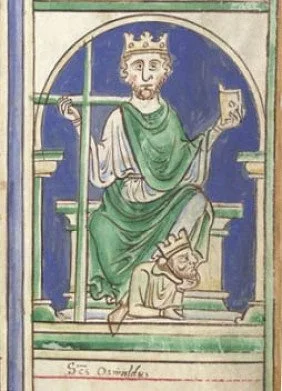
August 5, 642 - King Oswald of Northumbria Killed in Battle
King Oswald of Northumbria is remembered not only as a successful ruler but also as one of the earliest Christian kings to help establish the faith in northern England. After spending part of his youth in exile at the monastery on the island of Iona, Oswald was deeply influenced by the Irish monk Columba and the Christian community founded there. Although Columba had died decades earlier, his ministry and the monastery at Iona continued to shape generations of missionaries and leaders, including Oswald.
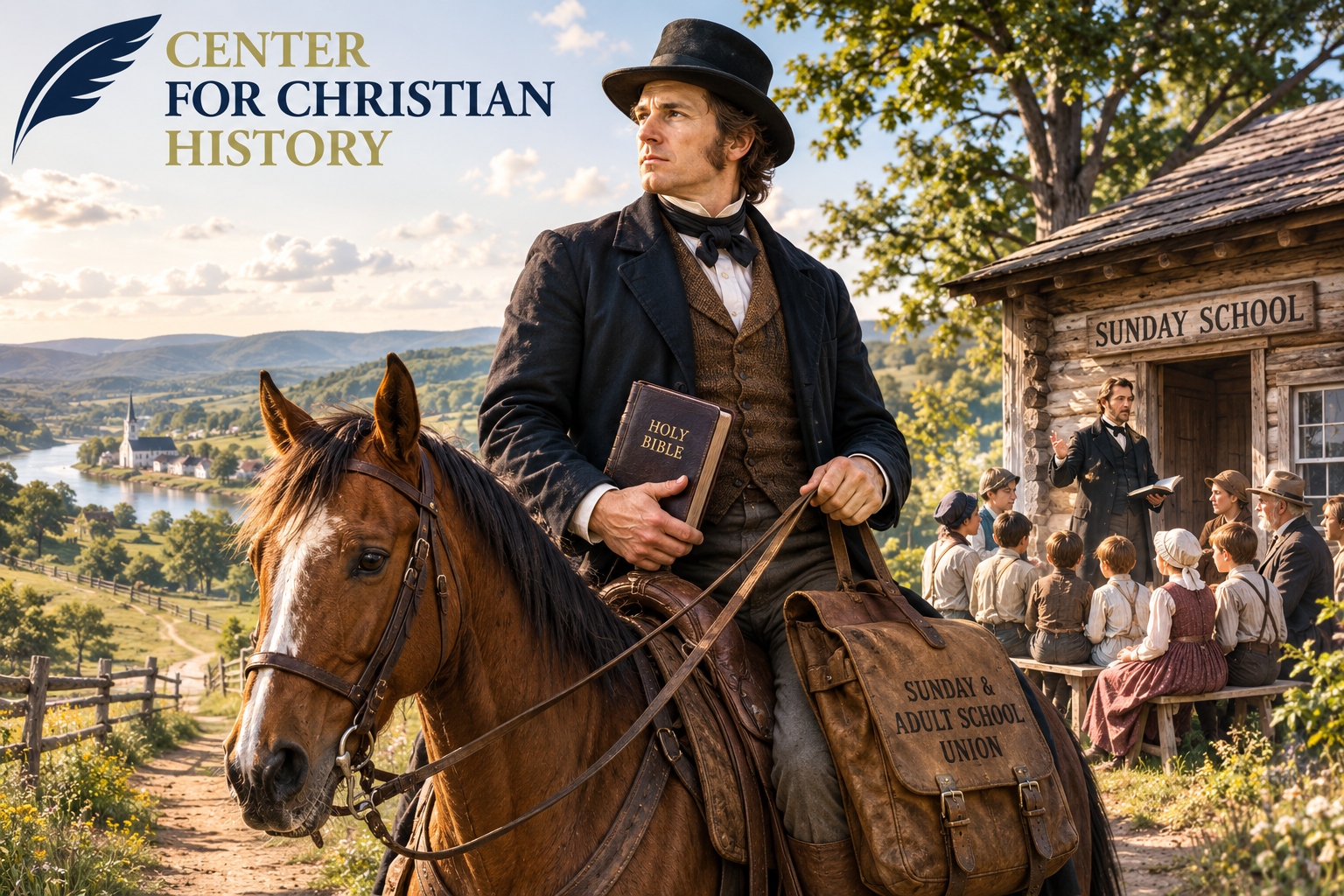
August 4, 1821 - Reverend William Blair Hired by SASU
Rev. William Blair devoted his ministry to bringing biblical education to America's rapidly expanding frontier, where churches and trained pastors were often scarce. As one of the earliest missionaries of the Sunday and Adult School Union (SASU), he traveled from settlement to settlement establishing Sunday Schools and adult Bible classes, helping communities build a foundation of Christian learning long before many had permanent congregations.
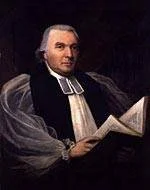
August 3, 1785 - Samuel Seabury Becomes First Anglican Bishop in U.S.
On August 3, 1785, Samuel Seabury was formally confirmed as the first Anglican bishop serving in the newly independent United States. His consecration marked a turning point for American Anglicanism, providing the fledgling church with its own episcopal leadership after the Revolutionary War had severed ties with the Church of England.
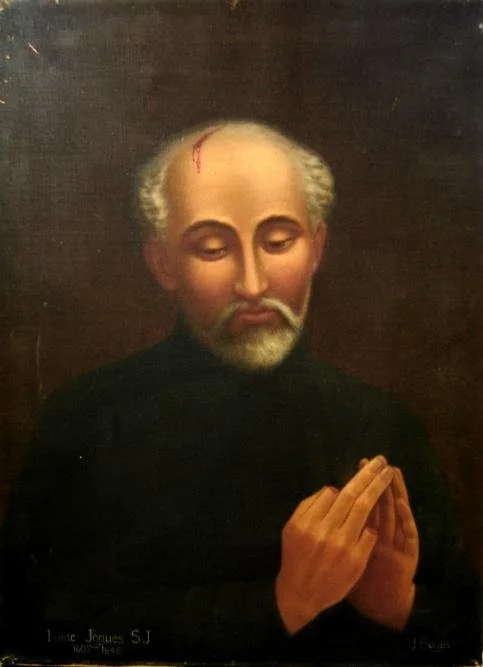
August 2, 1643 - Issac Jogues Turns Himself in to Iroquois
Isaac Jogues believed the Gospel was worth any cost. A Jesuit missionary serving in French Canada, he devoted his life to sharing Christianity among the Huron and Iroquois peoples during a time of intense conflict between rival tribes and European colonial powers. His willingness to endure suffering rather than abandon his calling made him one of the most remarkable missionary figures in Christian history.
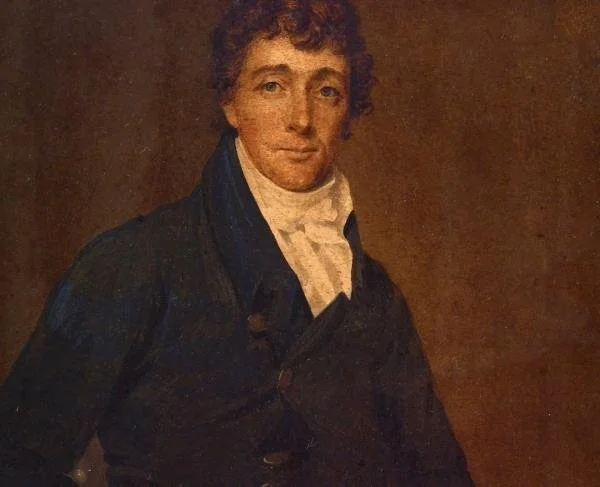
August 1, 1779 - Francis Scott Key Born
Most Americans recognize Francis Scott Key as the author of "The Star-Spangled Banner," the national anthem of the United States. Far fewer know that the Maryland attorney was also a committed Christian whose faith shaped both his public service and his ministry. Born on August 1, 1779, at his family's estate in Frederick County, Maryland, Key grew up in the Episcopal Church and remained devoted to his faith throughout his life.
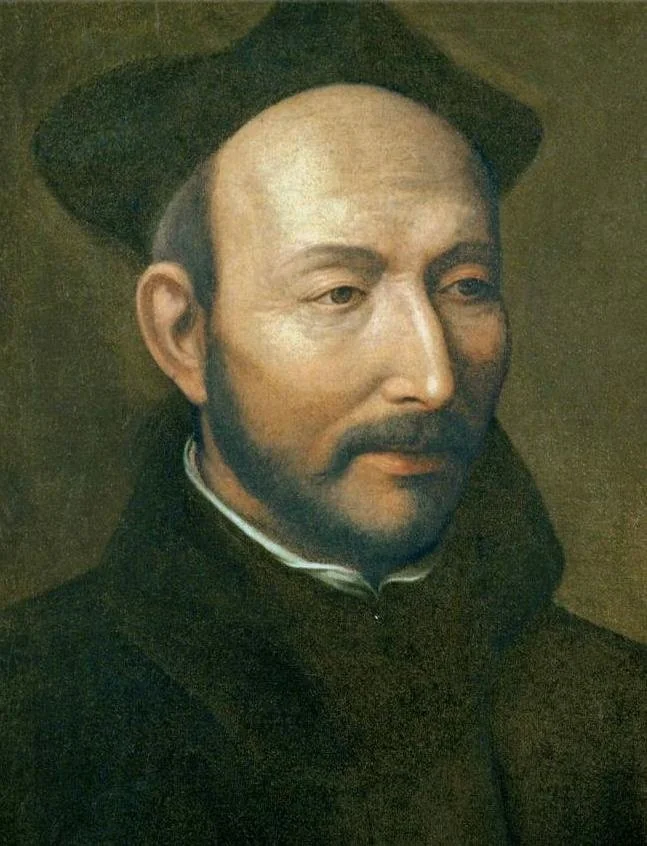
July 31, 1556 - Ignatius of Loyola Dies
Ignatius of Loyola, the founder of the Society of Jesus—better known as the Jesuits—died in Rome on July 31, 1556, after suffering a sudden illness, traditionally described as an acute gallbladder attack. Despite declining health in his final years, Ignatius spent the day before his death in prayer and continued directing the rapidly expanding Jesuit order until the very end. He was 64 years old.

July 30, 1956 - "In God We Trust" Becomes Official U.S. Motto
Although "In God We Trust" had appeared on some United States coins since the Civil War, it was not officially recognized as the nation's motto until Congress acted on July 30, 1956. Amid the tensions of the Cold War and growing concern over atheistic communism, lawmakers sought to distinguish the United States from the officially atheist Soviet Union by affirming the country's historic belief in God.
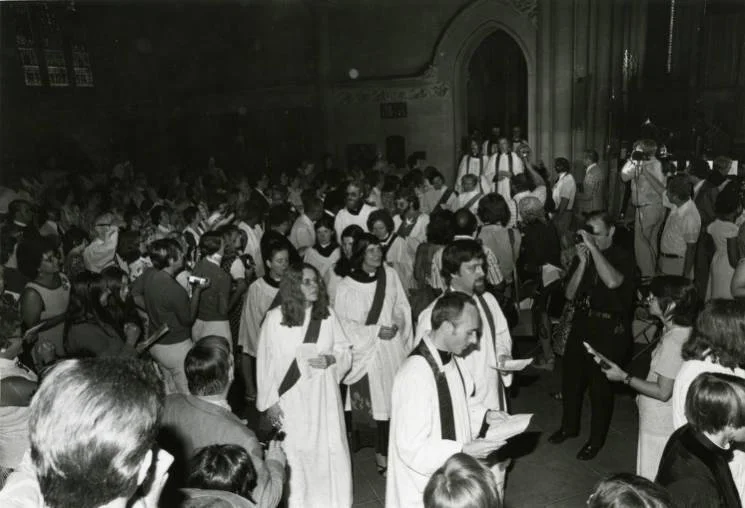
July 29, 1974 - The Philadelphia Eleven Ordained
On July 29, 1974, eleven women were ordained to the priesthood at the Church of the Advocate in Philadelphia, Pennsylvania, despite the Episcopal Church's official canons not yet permitting women to serve as priests. The service, conducted by three retired bishops, became one of the most controversial moments in modern American church history. Although the ordinations were initially declared irregular, they sparked a national debate that fundamentally changed the direction of the denomination.
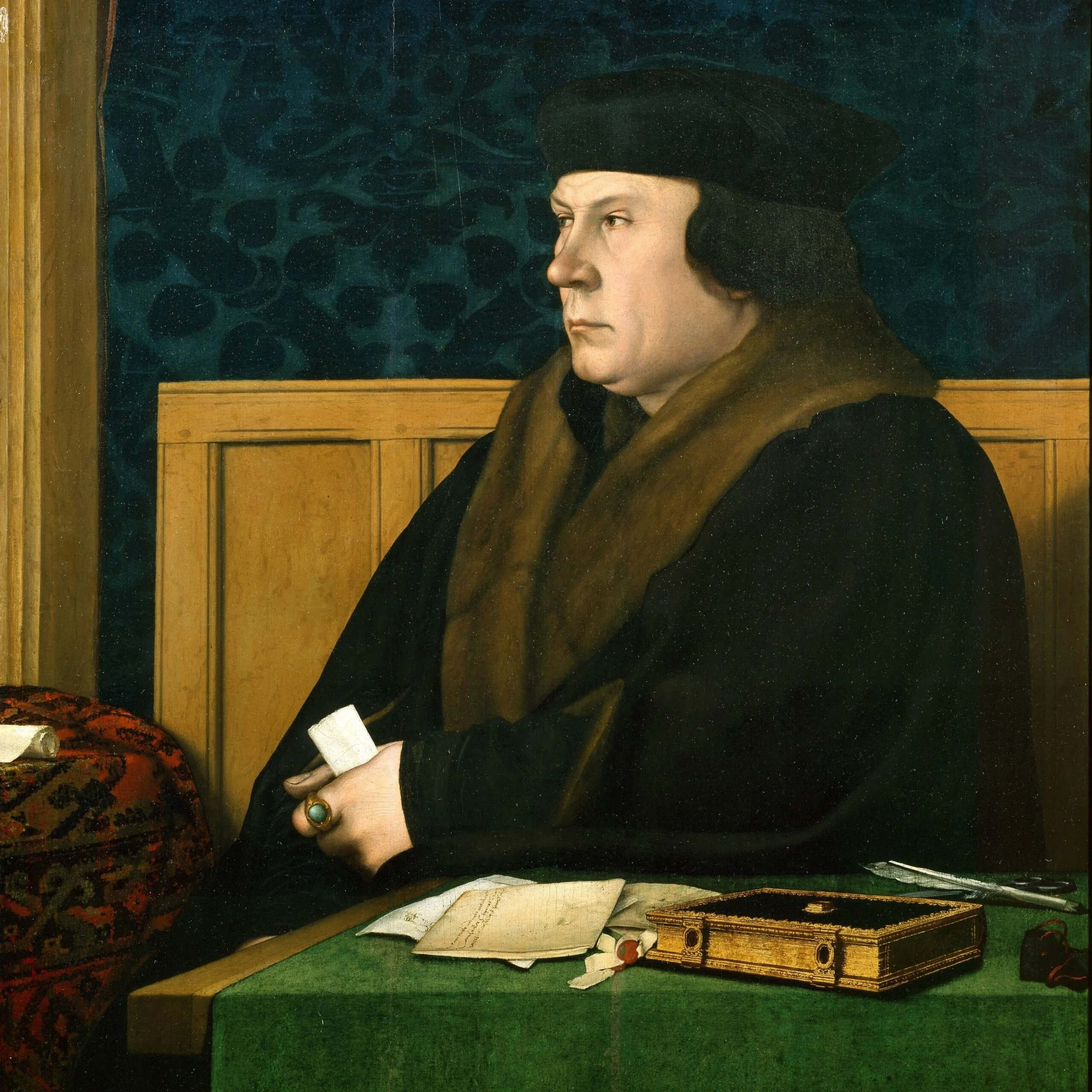
July 28, 1540 - Thomas Cromwell Executed
Thomas Cromwell was one of the most influential figures behind the English Reformation. Serving as the chief advisor to King Henry VIII, Cromwell helped reshape the relationship between the English monarchy and the Church. While Henry VIII's primary concern was securing royal authority over the Church of England, Cromwell was personally committed to advancing Protestant reforms. He promoted the translation and distribution of the Bible in English, supported the dissolution of the monasteries, and encouraged evangelical preachers throughout the kingdom.
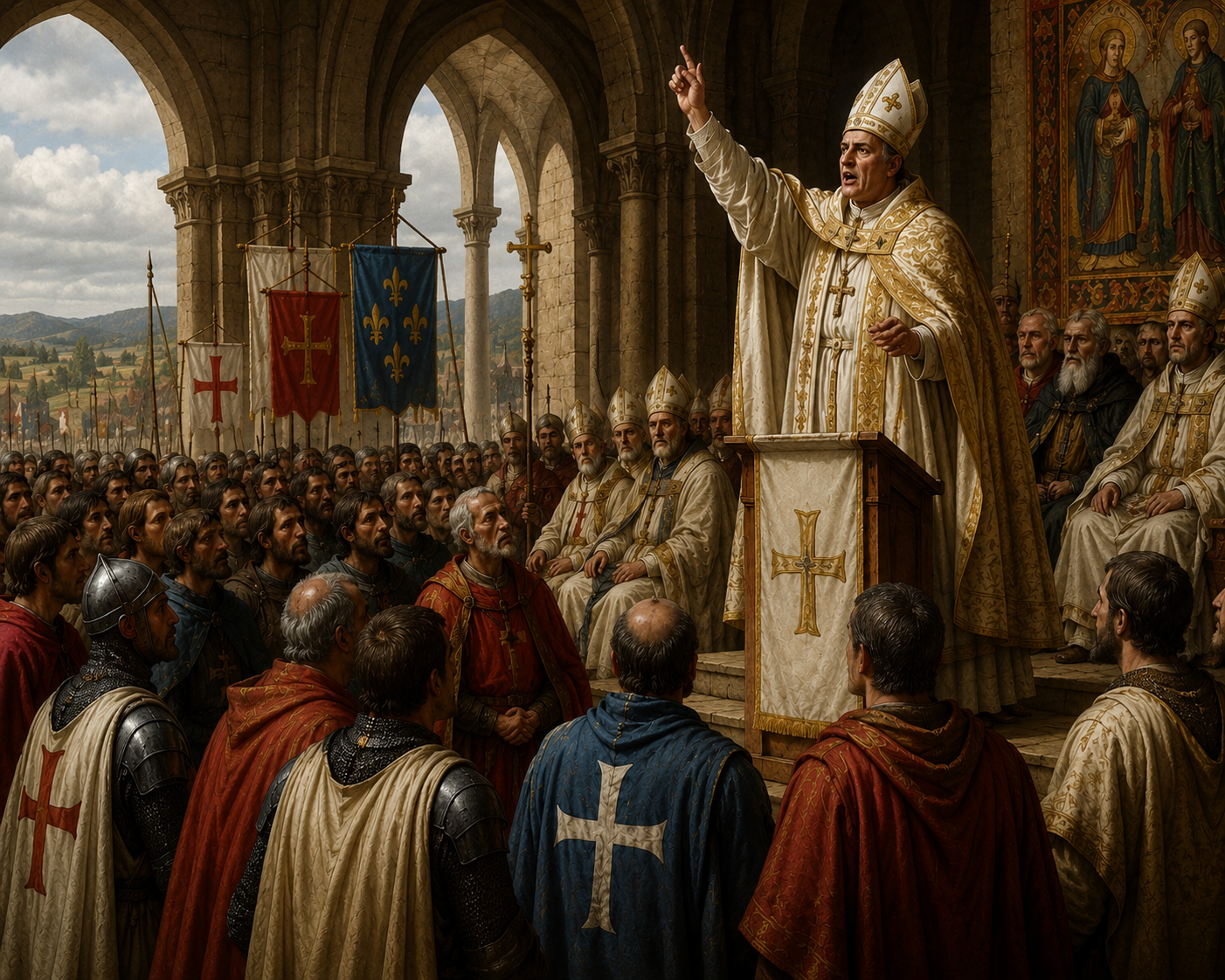
July 27, 1099 - Pope Urban II Dies
Pope Urban II is remembered as one of the most consequential—and controversial—figures of the Middle Ages. In November 1095, at the Council of Clermont in France, he called upon the rulers and knights of Western Europe to aid the Byzantine Empire against the advancing Seljuk Turks and to reclaim Jerusalem and other holy sites from Muslim control. His famous appeal urged Christians to take up the cross, setting in motion what became known as the First Crusade.
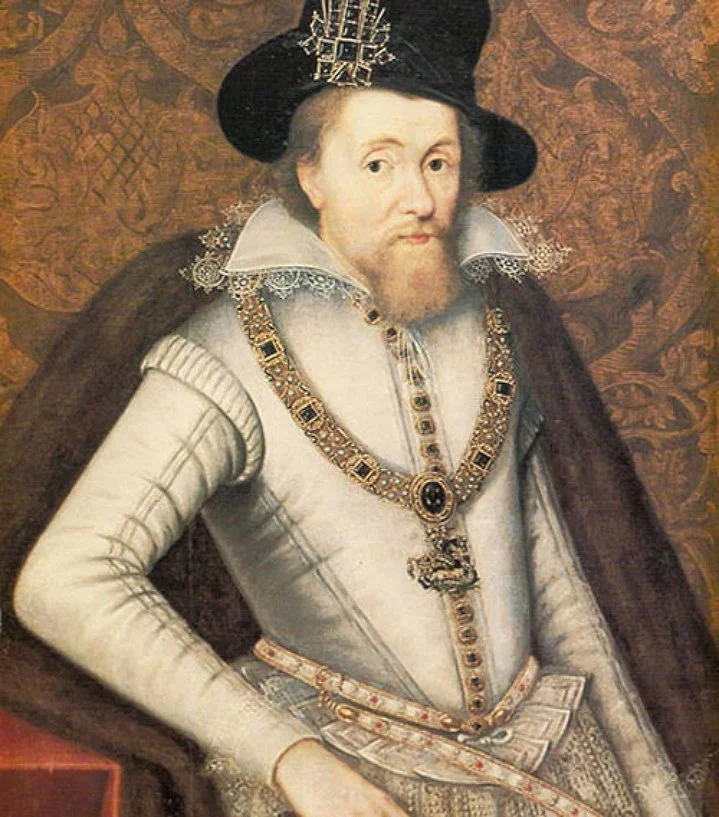
July 26, 1603 - King James Becomes King of England
When James VI of Scotland inherited the English throne on July 26, 1603, becoming King James I of England, he inherited a church deeply divided over doctrine, worship, and the Bible itself. The Geneva Bible was widely popular among English Protestants, but its notes were sharply critical of monarchy. The Bishops’ Bible, favored by the Church of England, had never gained widespread acceptance. Hoping to unify the nation around a single authorized translation, James approved the creation of a new English Bible.
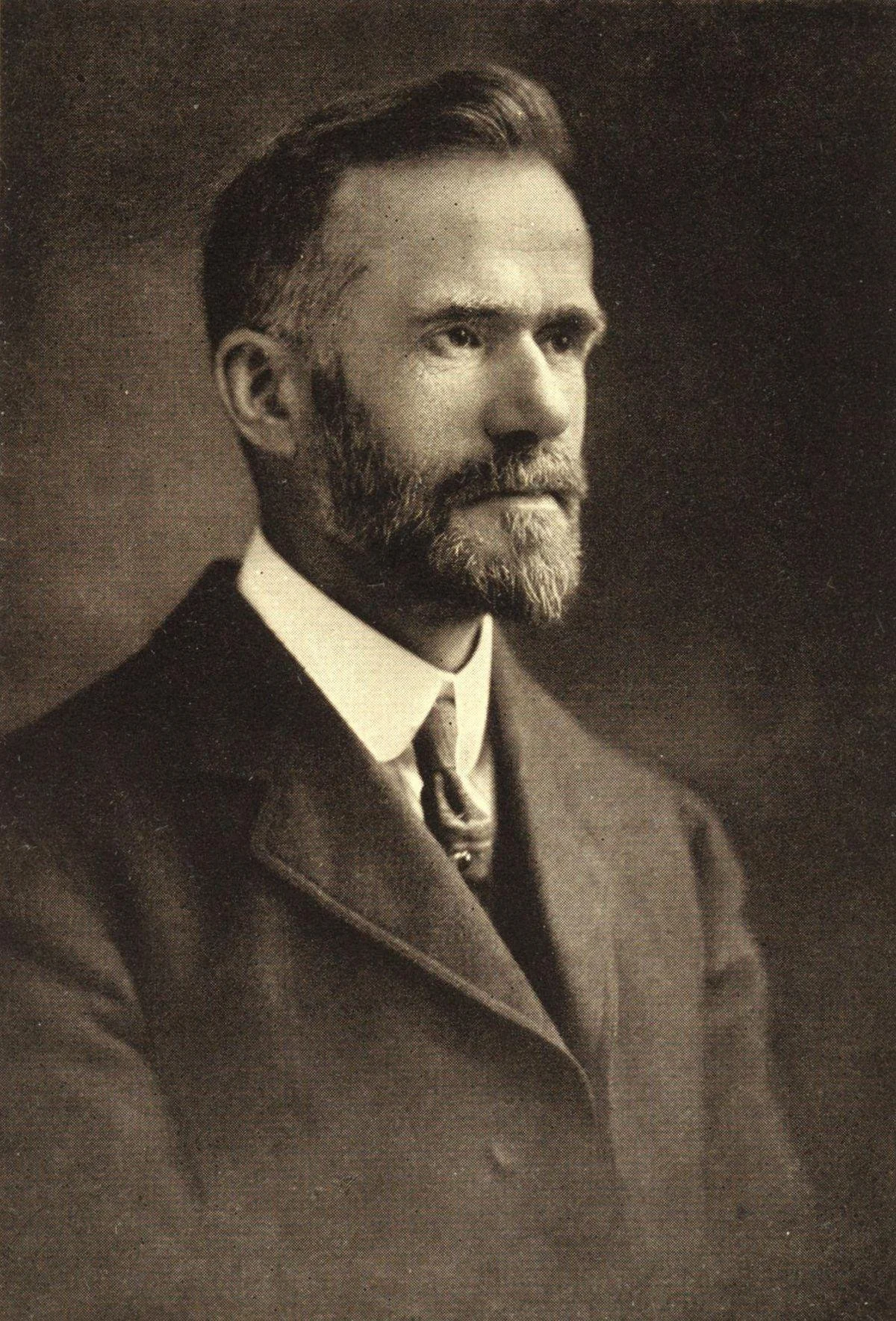
July 25, 1918 - Death of Walter Rauschenbusch
Walter Rauschenbusch became one of the most influential—and controversial—Christian thinkers in modern American history before his death on July 25, 1918. A Baptist pastor and theologian, he emerged as the leading voice of what became known as the Social Gospel movement, which sought to apply Christian principles to the pressing social problems of the Industrial Age.
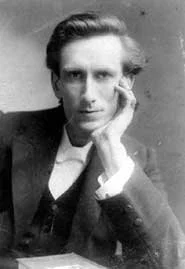
July 24, 1874 - Oswald Chambers Born
On July 24, 1874, Oswald Chambers was born in Aberdeen, Scotland. Today he is remembered as one of the most influential Christian devotional writers of the twentieth century, though he never lived to see the global impact of his work. Before entering ministry, Chambers studied art and wrestled for many years to discern God's calling on his life. His spiritual journey eventually led him to preach, teach, and establish a Bible training college in London dedicated to preparing men and women for Christian service.

July 23, 1391 - Ste. Bridget of Sweden Dies
Saint Bridget of Sweden died in Rome after years of traveling throughout Europe to encourage spiritual renewal within the Church. Born into a noble Swedish family around 1303, Bridget was married and the mother of eight children before becoming a widow and devoting the remainder of her life to prayer, charity, and religious reform. She founded the Bridgettine (Order of the Most Holy Savior) religious order, which established monasteries for both men and women under the leadership of an abbess—an unusual structure for the medieval Church.
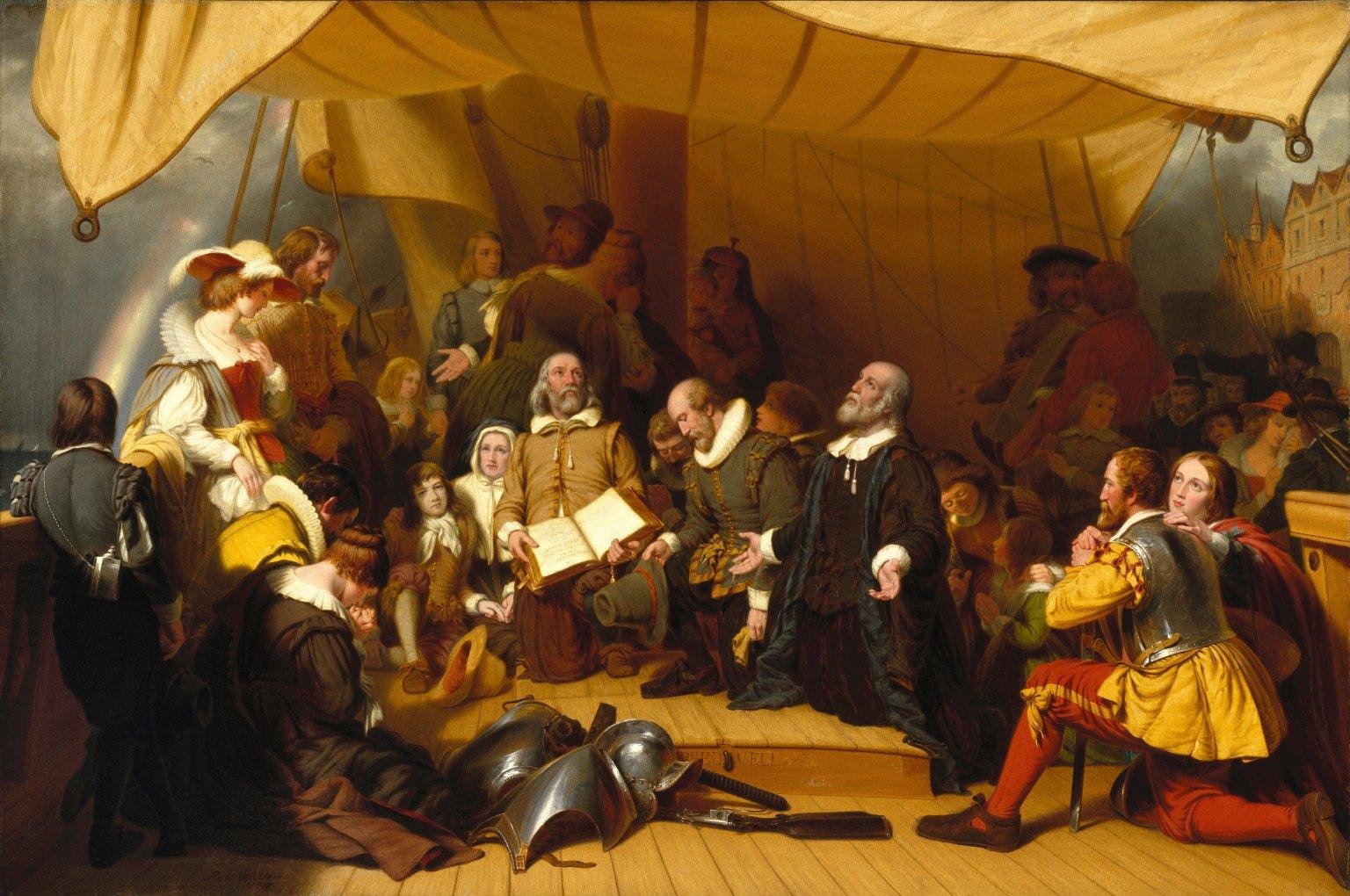
July 22, 1620 - Pilgrims Board The Mayflower
Many Americans learn that the Pilgrims came to the New World seeking “religious freedom,” but the reasons behind their journey are often simplified. The group that would become known as the Pilgrims were English Separatists who believed the Church of England had drifted too far from the teachings of Scripture. They objected to what they viewed as unscriptural ceremonies, hierarchical church government, and traditions that had been retained from the Roman Catholic Church after the English Reformation.
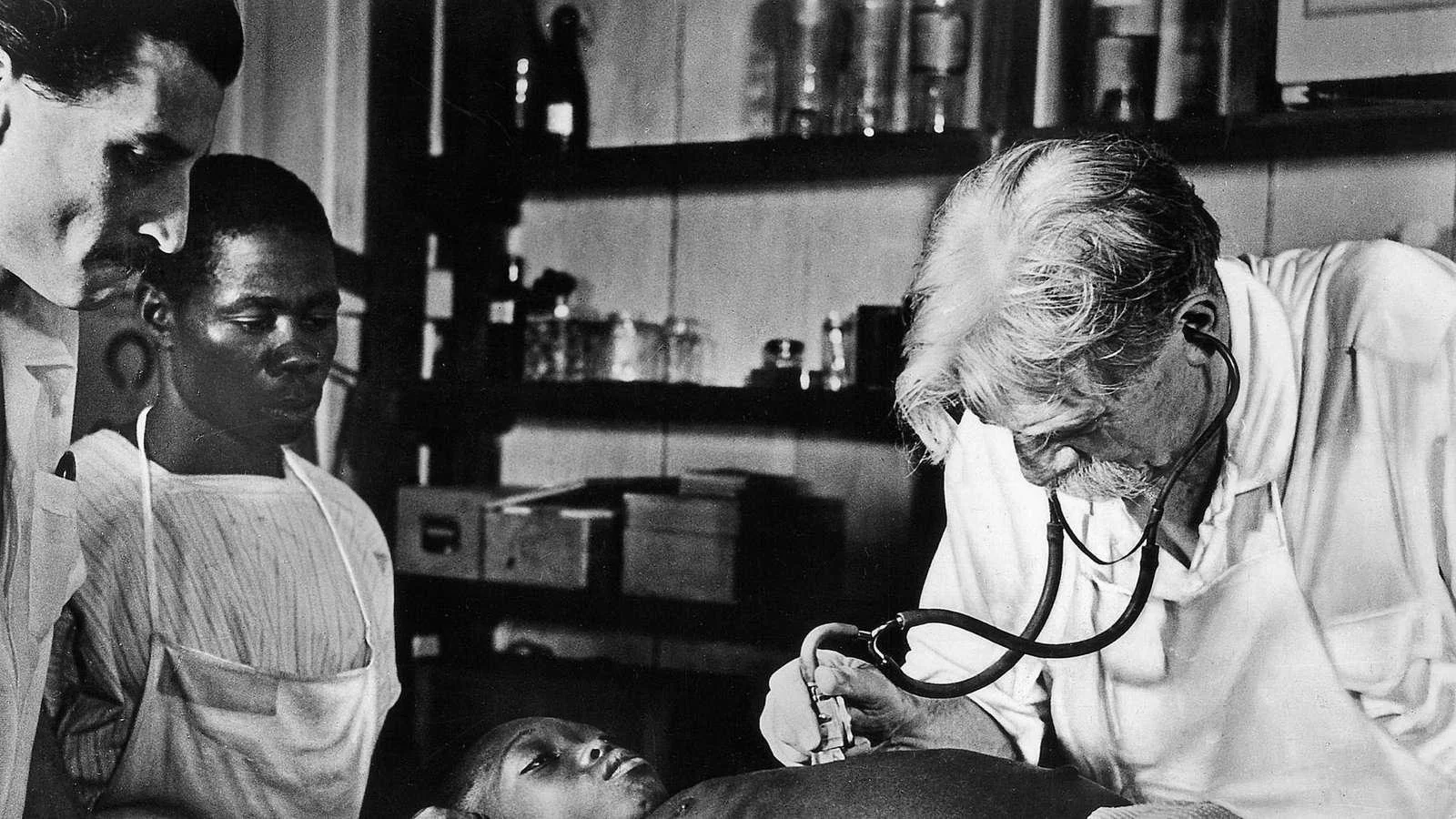
July 21, 1900 - Albert Schweitzer Licensed for Ministry
Few Christian figures of the twentieth century are as admired—or as debated—as Albert Schweitzer. On this day, Schweitzer was officially licensed for ministry in the Lutheran Church after completing his theological education. At the time, he was already recognized as an exceptionally gifted scholar, musician, and pastor.
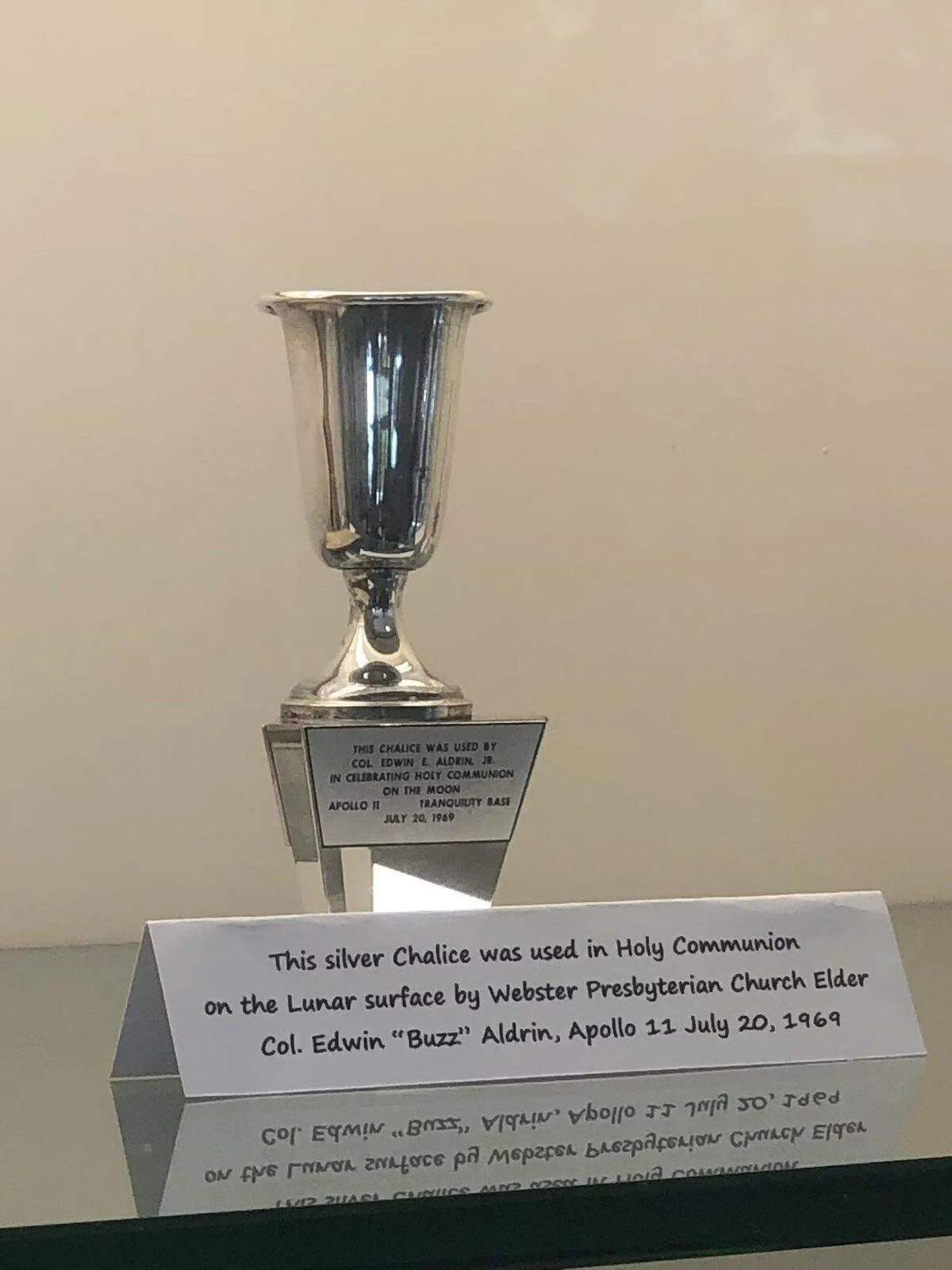
July 20, 1969 - Buzz Aldrin Takes Communion on the Moon
When most people think of the Apollo 11 mission, they remember the first human footsteps on the Moon. Less well known is the quiet act of worship that preceded them. After the Lunar Module Eagle landed safely on July 20, astronaut Buzz Aldrin, an elder at Webster Presbyterian Church near Houston, observed the Lord’s Supper before stepping onto the lunar surface.
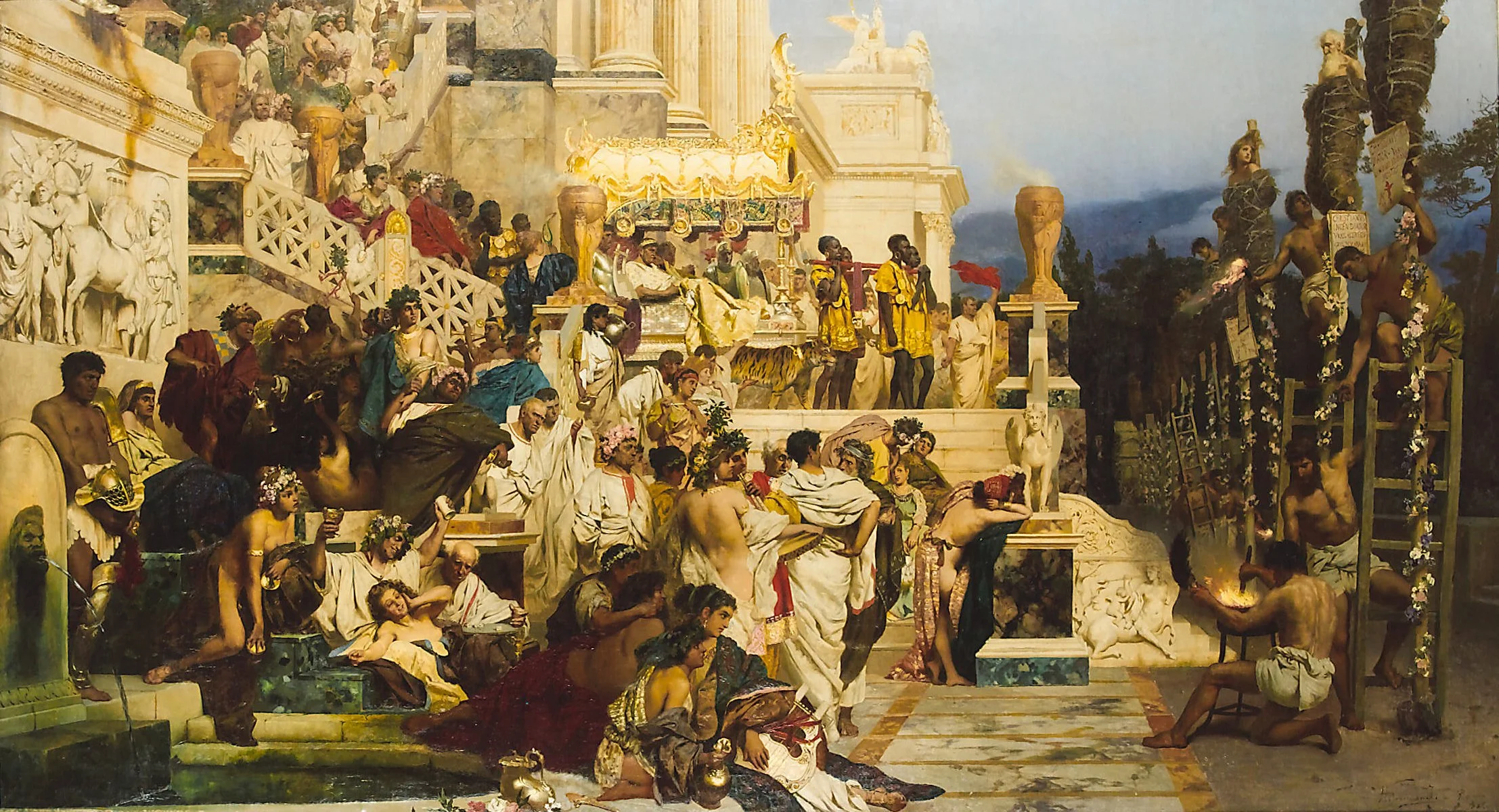
July 19, 64 A.D. - Emperor Nero Begins Persecuting Christians
In the aftermath of the Great Fire of Rome, Emperor Nero blamed the city's Christian community for the devastating blaze, launching what is widely regarded as the first major imperial persecution of Christians. Ancient historians disagree over whether Nero himself was responsible for the fire. Tacitus reported that many Romans suspected Nero had ordered the fire, while other ancient writers offered differing accounts. What is clear is that Nero seized upon the crisis to divert public anger by accusing Christians of arson.