
July 17, 431 - Bishop John of Antioch Excommunicated at Council of Ephesus
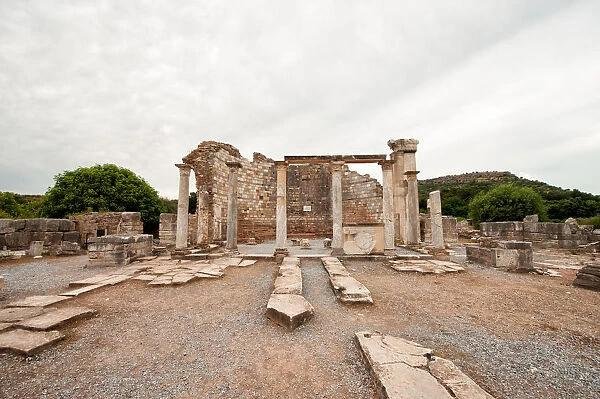
Citation: Dosseman. Ephesus Church of Mary in 2015 2810.jpg. Wikimedia Commons. Licensed under CC BY-SA 4.0. Image page
As Christianity spread across the Roman Empire, church leaders faced the difficult task of defining essential doctrines and preserving unity in the face of theological controversy. During the Council of Ephesus, which met at the Church of Mary in Ephesus, a major dispute centered on how to describe the relationship between Jesus' divine and human natures.
On July 17, 431, the council excommunicated Bishop John of Antioch after he and a group of bishops arrived late and held a rival council that rejected the actions of the main assembly. The larger council, led by Cyril of Alexandria, condemned the teachings associated with Nestorius and affirmed that Mary could rightly be called Theotokos—meaning "God-bearer" or "Mother of God"—because Jesus Christ is one person who is fully God and fully man. Nestorius had argued that the title Christotokos ("Christ-bearer") was more appropriate, fearing that Theotokos confused Christ's divine and human natures.
The controversy did not end in Ephesus. After negotiations between Cyril and John of Antioch, many bishops were eventually reconciled in 433 through the Formula of Union, although divisions remained and would contribute to later church splits.
Why This Matters
The Council of Ephesus demonstrates how seriously the early church approached questions of doctrine. While the debate centered on the title given to Mary, the council's primary concern was protecting the biblical teaching about the identity of Jesus Christ. The decisions made at Ephesus continue to influence Catholic, Orthodox, and many Protestant understandings of Christology nearly sixteen centuries later.