
August 1, 1779 - Francis Scott Key Born
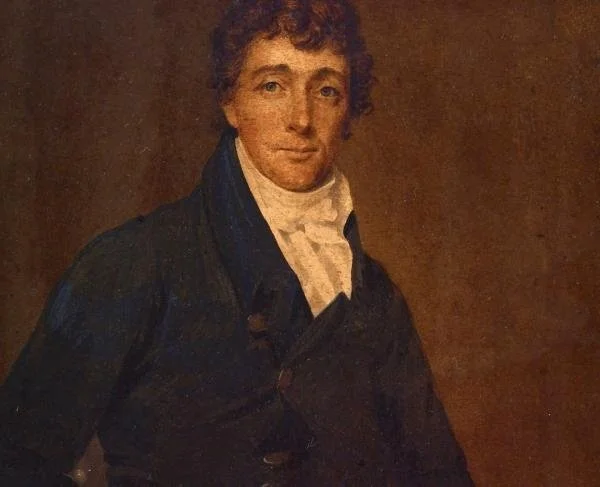
Rembrandt Peale, Francis Scott Key, c. 1819–1820. National Portrait Gallery, Smithsonian Institution. Public domain. Available via Wikimedia Commons.
Most Americans recognize Francis Scott Key as the author of "The Star-Spangled Banner," the national anthem of the United States. Far fewer know that the Maryland attorney was also a committed Christian whose faith shaped both his public service and his ministry. Born on August 1, 1779, at his family's estate in Frederick County, Maryland, Key grew up in the Episcopal Church and remained devoted to his faith throughout his life.
Key became a successful lawyer in Georgetown, but history remembers him for an extraordinary night during the War of 1812. In September 1814, while aboard a British ship negotiating the release of an American prisoner, he witnessed the British bombardment of Fort McHenry in Baltimore Harbor. Through the darkness, he anxiously watched to see whether the American defenders would survive. At dawn, the sight of the large American flag still flying above the fort inspired him to write the poem "Defence of Fort M'Henry," which was later set to music and became "The Star-Spangled Banner."
His Christian convictions extended well beyond patriotic expression. Key was deeply involved in the Sunday School movement, serving as a leader in the American Sunday School Union. The organization sought to establish and support Sunday schools in frontier and rural communities where churches and trained teachers were scarce. By helping equip volunteer teachers with biblical materials and educational resources, Key contributed to the spread of Christian education across the expanding United States.
Although remembered primarily as a patriot and songwriter, Key viewed his legal career, public service, and ministry as complementary callings. He regularly supported missionary efforts, Bible societies, and charitable organizations, believing that the moral and spiritual health of the nation depended upon a well-informed Christian faith.
Why It Matters
Francis Scott Key reminds us that many influential figures in American history saw no conflict between faith and public life. While his national anthem celebrates the endurance of the United States during war, his quieter legacy through the Sunday School movement demonstrates a lifelong commitment to strengthening churches and teaching Scripture. His life illustrates how one person's faith can leave a lasting impact on both a nation's civic identity and its spiritual development.