
July 31, 1556 - Ignatius of Loyola Dies
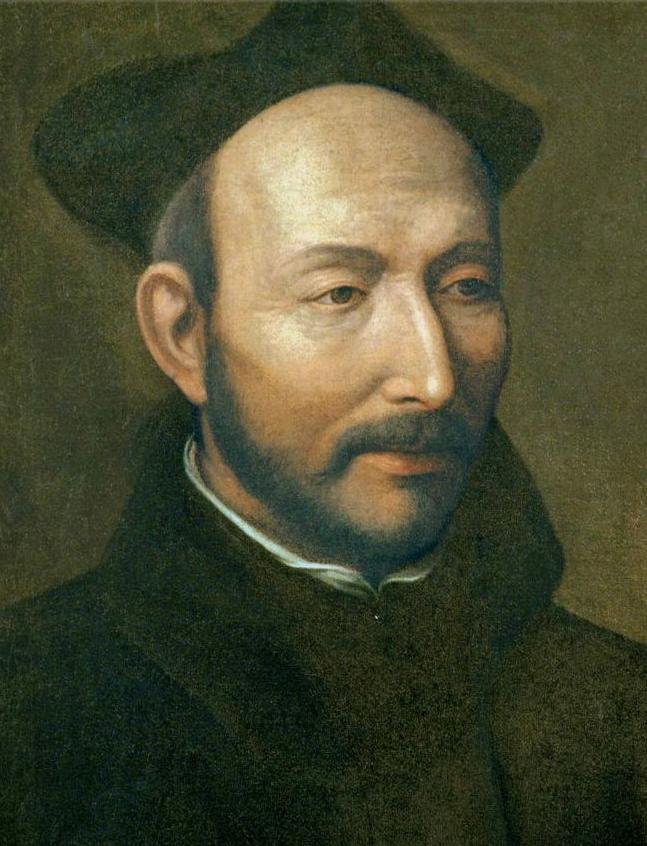
Contemporary portrait of Ignatius of Loyola (1491–1556), unknown artist. Public domain via Wikimedia Commons.
Ignatius of Loyola, the founder of the Society of Jesus—better known as the Jesuits—died in Rome on July 31, 1556, after suffering a sudden illness, traditionally described as an acute gallbladder attack. Despite declining health in his final years, Ignatius spent the day before his death in prayer and continued directing the rapidly expanding Jesuit order until the very end. He was 64 years old.
Born Íñigo López de Loyola in Spain around 1491, Ignatius originally pursued a military career. Everything changed in 1521 when a French cannonball shattered his leg during the Battle of Pamplona. While recovering, he read books about the life of Christ and the saints because no books of chivalry were available. Those readings sparked a profound spiritual conversion that led him to abandon his military ambitions and dedicate his life to serving Christ.
After years of study, prayer, and pilgrimage, Ignatius gathered a small group of companions, including Francis Xavier and Peter Faber, while studying at the University of Paris. In 1540, Pope Paul III officially approved their new religious order, the Society of Jesus. The Jesuits pledged poverty, chastity, obedience, and a unique vow of obedience to the pope regarding missionary service. Under Ignatius' leadership, the order expanded rapidly throughout Europe, Asia, Africa, and the Americas.
Perhaps Ignatius' greatest literary contribution was the Spiritual Exercises, a guide for prayer, meditation, and spiritual discernment that remains one of the most influential devotional works in Christian history. The book encourages believers to examine their hearts, seek God's will through prayer, and cultivate a disciplined life of faithful service. It continues to be used by Christians around the world more than four centuries after it was written.
By the time of his death, the Jesuits had established schools, colleges, and missionary outposts across several continents. Although Ignatius did not live to see the order reach its greatest size, he laid the theological and organizational foundation that enabled it to become one of the most influential religious communities in Christian history.
Why It Matters
Ignatius of Loyola helped reshape Christianity during the turbulent years of the Protestant Reformation. While Protestants and Catholics sharply disagreed on many theological issues, few historians dispute the extraordinary influence of the Jesuits in education, global missions, scholarship, and evangelism. Today, thousands of Jesuit schools, universities, and ministries around the world continue to reflect Ignatius' vision of intellectual excellence, disciplined spiritual growth, and wholehearted service to God.