
July 25, 1918 - Death of Walter Rauschenbusch
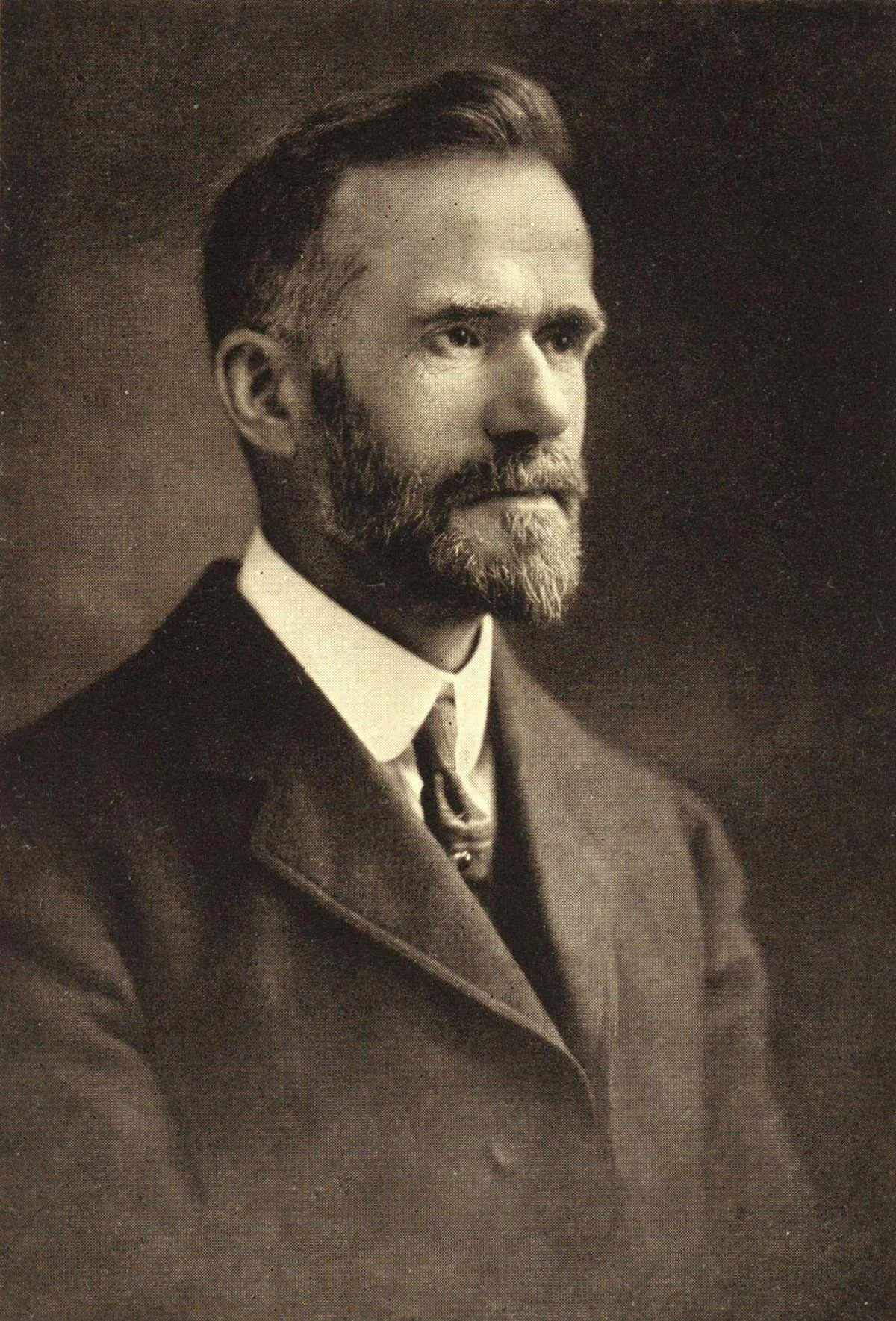
Image Citation: Walter Rauschenbusch (1861–1918), photograph by unknown photographer, public domain (U.S.), courtesy of Wikimedia Commons.
Walter Rauschenbusch became one of the most influential—and controversial—Christian thinkers in modern American history before his death on July 25, 1918. A Baptist pastor and theologian, he emerged as the leading voice of what became known as the Social Gospel movement, which sought to apply Christian principles to the pressing social problems of the Industrial Age.
Born in Rochester, New York, in 1861 to German immigrant parents, Rauschenbusch was educated at Rochester Theological Seminary before serving as pastor of the Second German Baptist Church in New York City's Hell's Kitchen neighborhood. The extreme poverty, overcrowding, disease, and labor exploitation he witnessed there profoundly shaped his understanding of the Christian faith.
Rather than viewing the gospel primarily as a message of individual salvation, Rauschenbusch argued that Christians also had a responsibility to confront systemic social problems such as poverty, unsafe working conditions, political corruption, and economic inequality. He believed the Kingdom of God should be expressed not only through personal conversion but also through efforts to reform society according to biblical principles of justice and compassion.
His ideas were developed in influential books including Christianity and the Social Crisis (1907), Christianizing the Social Order (1912), and A Theology for the Social Gospel (1917). These works inspired many Protestant ministers and reformers during the Progressive Era and helped shape Christian involvement in labor reform, public health, education, and anti-poverty initiatives throughout the twentieth century.
At the same time, Rauschenbusch's theology has remained controversial. Many evangelical Christians have criticized the Social Gospel for placing too much emphasis on social reform while minimizing humanity's need for personal repentance, salvation through Jesus Christ, and the authority of Scripture. Others have argued that his work rightly reminded the Church that genuine faith should produce compassion and concern for those suffering injustice. As a result, his legacy continues to be debated across Christian traditions.
Why it matters:
Walter Rauschenbusch's life highlights an enduring question for Christians: How should the Church balance proclaiming the gospel with addressing society's physical and social needs? While believers continue to disagree over many of his theological conclusions, his influence on modern discussions about faith, justice, and public engagement remains significant.
