
April 30, 418 - Pelagians Banned from Roman Empire
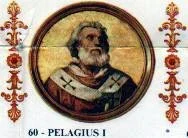
Public domain historical engraving of Pelagius (artist unknown).
The Council of Nicea in 325 AD marked one of the first major instances of imperial involvement in church doctrine. Pelagius, the original “anti-calvanist” was a theologian who believed in human moral responsibility, rejecting the idea of original sin as taught by his opponents. His primary theological opponent was Augustine of Hippo, who argued for grace and human inability without God. On April 30, 418, at the Council of Carthage, Pelagianism was officially condemned, and all Pelagians were banned from Rome as they were considered a threat to the Empire’s peace. Roman Emperor Honorius issued the ban in an attempt to maintain religious and political unity within the empire. The controversy was centered on doctrines such as grace, free will, and salvation, which still remain foundational in Chrisitan theology. This event is an early example of the way that theological disagreements became matters of state policy.
Although this debate took place centuries ago, the controversy surrounding free will, grace, and salvation is still alive today. This debate emphasizes the importance of sound doctrine and theological clarity, and the involvement of emperors raises questions about the risks of the government controlling religious beliefs. It is a reminder to Christians that unity enforced by power is different from unity grounded in truth, and it is a reminder of how theological disagreements can have lasting consequences for the global church.