
April 29, 1529 - Town in Switzerland Criminalizes Mass
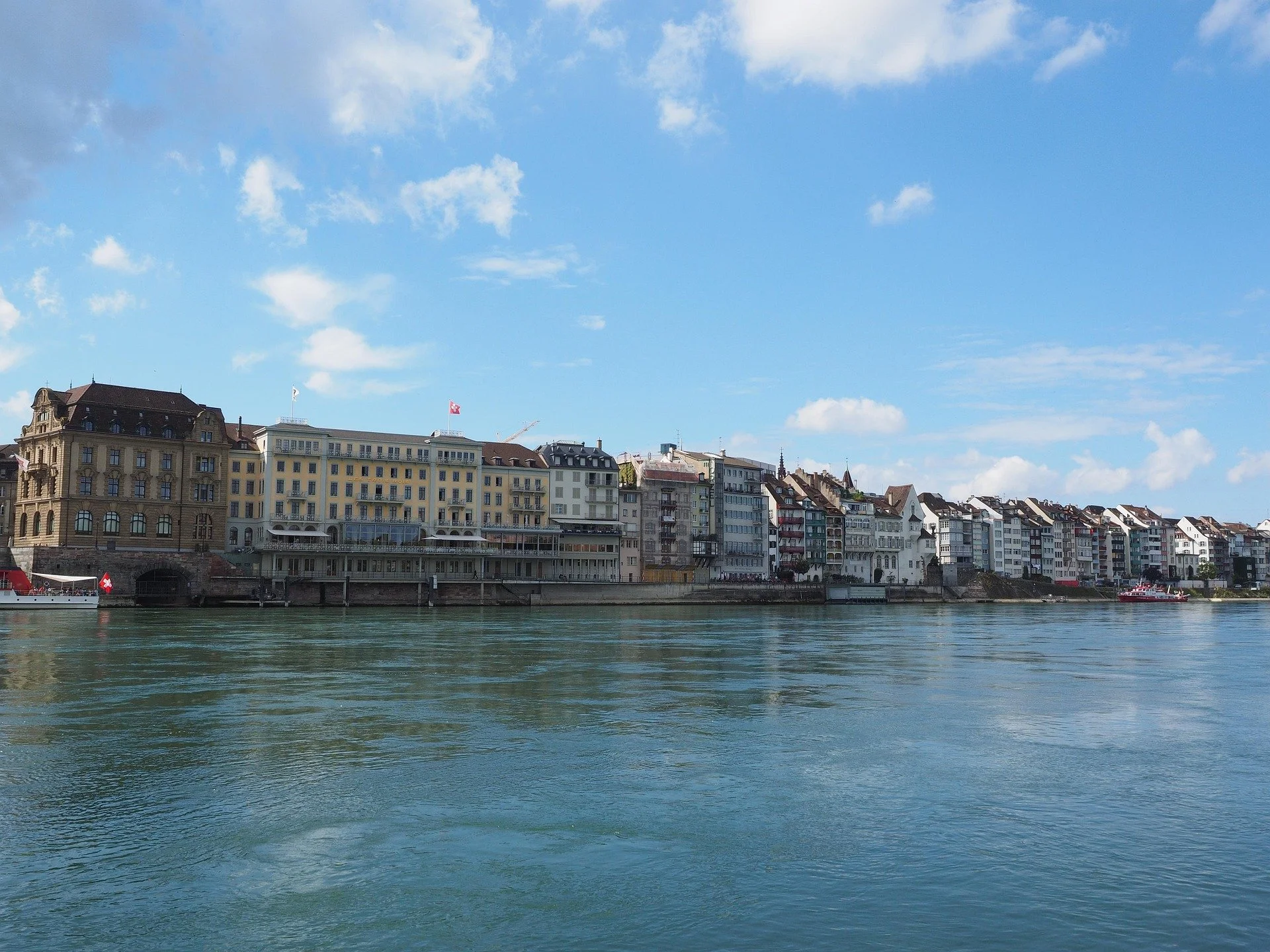
Basel cityscape photograph. Free for use under Pixabay Content License. Source: Pixabay Basel Cityscape
In 1529, during the early stages of the Protestant Reformation, the nation of Switzerland began to separate itself from the Roman Catholic Church. The city of Basel became a center for Reformation thought and printing, helping to spread Protestant ideas across Europe. After decades of unrest, the city officially adopted the Reformation in 1529. Local authorities criminalized the celebration of mass and participated in iconoclasm (the destruction of religious images). Banning Mass displayed a shift toward Reformed theology, which rejected certain Catholic doctrines such as transubstantiation. Johannes Oecolampadius was a leading figure in Basel’s shift to Protestantism while the city became known for its printing industry, leading to the distribution of Reformation writings. Oftentimes, these changes were enforced by civil authorities, which represents the close relationship between church and state at that time. The conflict between Protestants and Catholics led to armed clashes including the Wars of Kappel.
These events are a clear reminder for Christians today of how destructive theological disagreements can be within the church, leading to division within the church. This encourages Christians to reflect on unity with other believers. These events also encourage the importance of doctrinal conviction and biblical interpretation, reminding believers that these topics are not to be taken lightly. The dangers of political power shaping religious practice are still present today, and they raise questions about religious freedom. Looking back on these events inspire believers to consider both the right to reform and the risk of suppressing opposing beliefs. Christians are reminded to think carefully about the relationship between faith and political authority and encouraged to pursue reform with humility and wisdom.