
February 19, 1414 - Archbishop Thomas Arundel Dies
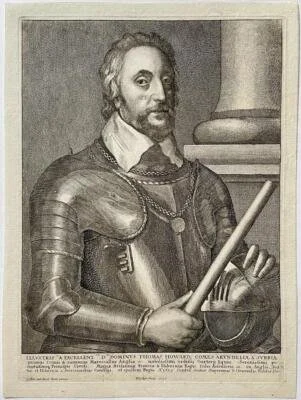
Thomas Arundel, Archbishop of Canterbury (c. 1353–1414), historical engraving. 19th century. Public domain. Via Wikimedia Commons.
BBC History Magazine, published by the British Broadcasting Corporation, compiled a list of the “ten worst Brits of the last 1000 years,” including Thomas Arundel, the former Archbishop of Canterbury. Arundel appeared on the list alongside notorious figures such as Jack the Ripper and King John. As a leading church authority in medieval England, Archbishop Thomas Arundel strongly opposed the Lollards, a reform movement connected to John Wycliffe, who was instrumental in producing the first English translation of the Bible. Arundel actively suppressed Lollard teachings and resisted doctrinal developments that would later influence the Protestant Reformation. He died on February 19, 1414, leaving behind a controversial legacy in Church history and debates over biblical authority and reform.
The story of Thomas Arundel remains relevant for Christians today because it highlights the historic struggle over access to Scripture, church authority, and doctrinal reform. His opposition to the Lollards and resistance to English Bible translation underscore the importance of biblical literacy and the freedom to engage personally with God’s Word. For modern believers, this chapter of Christian history serves as a reminder that reform movements—such as those that culminated in the Protestant Reformation—often arise from a desire to return to Scriptural truth. Arundel’s legacy challenges today’s Christian leaders to exercise authority with humility, ensuring that faithfulness to Scripture takes precedence over institutional control.
