
February 26, 398 - John Chrysostom Becomes Archbishop of Constantinople
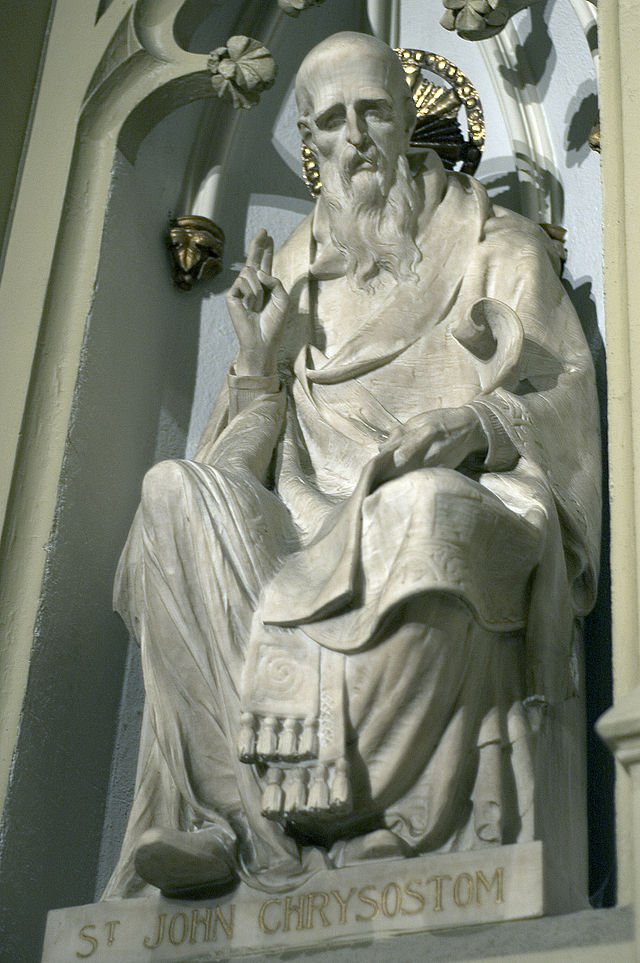
Diliff, Statue of St John Chrysostom, Wikimedia Commons, CC BY-SA 4.0,
John Chrysostom was one of the most influential Church Fathers of the fourth and fifth centuries, known for his powerful preaching and theological leadership during a pivotal era in Christian history. His surname, “Chrysostom,” comes from the Greek meaning “golden-mouthed,” a tribute to his extraordinary oratory skills. On February 26, AD 398, he was appointed Archbishop of Constantinople, where he called for moral reform, biblical faithfulness, and integrity among both clergy and political leaders. His bold denunciations of corruption and Christian heresies led to multiple exiles before his death in AD 407. Today, statues such as the one displayed in St. Patrick's Cathedral honor his enduring legacy within the global Christian tradition.
The life and ministry of John Chrysostom is still highly relevant for Christians seeking courageous biblical preaching and doctrinal clarity. His commitment to expositional teaching, moral accountability, and opposition to heresy offers a model for church leaders navigating cultural and political pressure today. Chrysostom’s willingness to suffer exile rather than compromise truth challenges modern believers to prioritize faithfulness over comfort or approval. For Christians desiring strong preaching, church reform, and spiritual integrity, his example continues to inspire steadfast devotion to Christ and Scripture.
