
February 5, 1631 - Roger Williams Arrives in Massachusetts
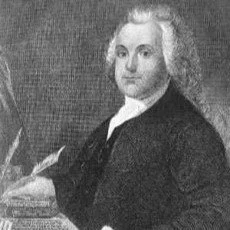
Roger Williams first arrived in the Massachusetts Bay Colony on February 5, 1631 in search of a place where he could freely practice his Christian faith. The colony, however, did not deliver the true religious liberty he had hoped to secure, especially pertaining to the close union of church and state. As a result, he left Massachusetts and established Providence, Rhode Island, where he later served as president of the colonial government. Williams began to argue that civil authorities did not have the right to govern individual religious beliefs, and he became a leading advocate for freedom of conscience. His writings on religious freedom and the separation of church and state influenced the thinking of the Founding Fathers. In addition, William was an early and outspoken opponent of slavery in colonial America, which earned him recognition as one of the first American abolitionists. One of his many notable accomplishments was founding the first Baptist church in America, located in Providence, Rhode Island.
Williams’ story is specifically influential in today’s society as the relationship between the church and the government seems to be declining. His legacy is a reminder that faith is most prosperous when it is freely chosen and not forced by any individual or organization. His advocacy for freedom of conscience is a persistent reminder to today’s Christians to defend religious liberty, and his opposition to slavery is an inspiration that conviction should inform moral courage. Williams’ life encourages Christians to uphold the dignity of conscience, resist coercion in matters of faith, and trust that the gospel does not require political power to transform hearts.
Image sourced from Wikimedia Commons.
