
June 1, 1826 - John F. Oberlin Dies
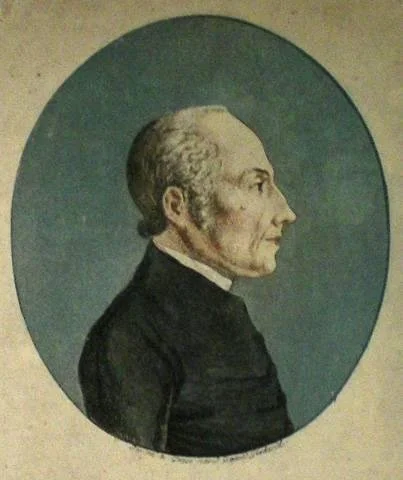
Johann Friedrich Oberlin (1740–1826). Engraved portrait. Public domain. Courtesy of Wikimedia Commons. https://commons.wikimedia.org/
On June 1, 1826, John Frederick Oberlin died after decades of ministry among the poor and isolated communities of the Alsace-Lorraine region of France. Though remembered as a pastor, Oberlin’s work extended far beyond the walls of the church. Serving in a rugged mountain valley with limited resources and widespread poverty, he believed Christian ministry required both spiritual care and practical action.
Oberlin preached the Gospel faithfully, but he also worked to improve the daily lives of the people he served. He encouraged education, agricultural reform, road construction, literacy, and vocational training. He helped villagers learn trades and practical skills that could strengthen their communities economically and socially. At a time when many remote rural populations were neglected by political and religious leaders alike, Oberlin became convinced that Christian service involved caring for both the soul and the material well-being of one’s neighbor.
His influence stretched far beyond France. Only a few years after his death, Presbyterian leaders on the American frontier looked to Oberlin’s example as they considered the challenges facing settlers in northern Ohio. The western frontier of the United States lacked educational institutions, trained ministers, and opportunities for practical learning. Inspired by Oberlin’s model of combining Christian faith with education and useful labor, they established Oberlin College near Cleveland, naming the institution in his honor.
From its beginning, the college sought to unite faith, education, and practical service. Oberlin College would later become widely known for abolitionism, missions, and reform movements, carrying forward many of the values associated with its namesake.
Why This Matters
John Frederick Oberlin reminds Christians that ministry is not limited to preaching alone. Throughout Christian history, believers have often combined evangelism with education, compassion, and community development. His story also shows how one faithful pastor in a remote village can influence institutions and movements far beyond his own lifetime.
