
June 11, 1936 - J. Gresham Machen Founds Orthodox Presbyterian Church
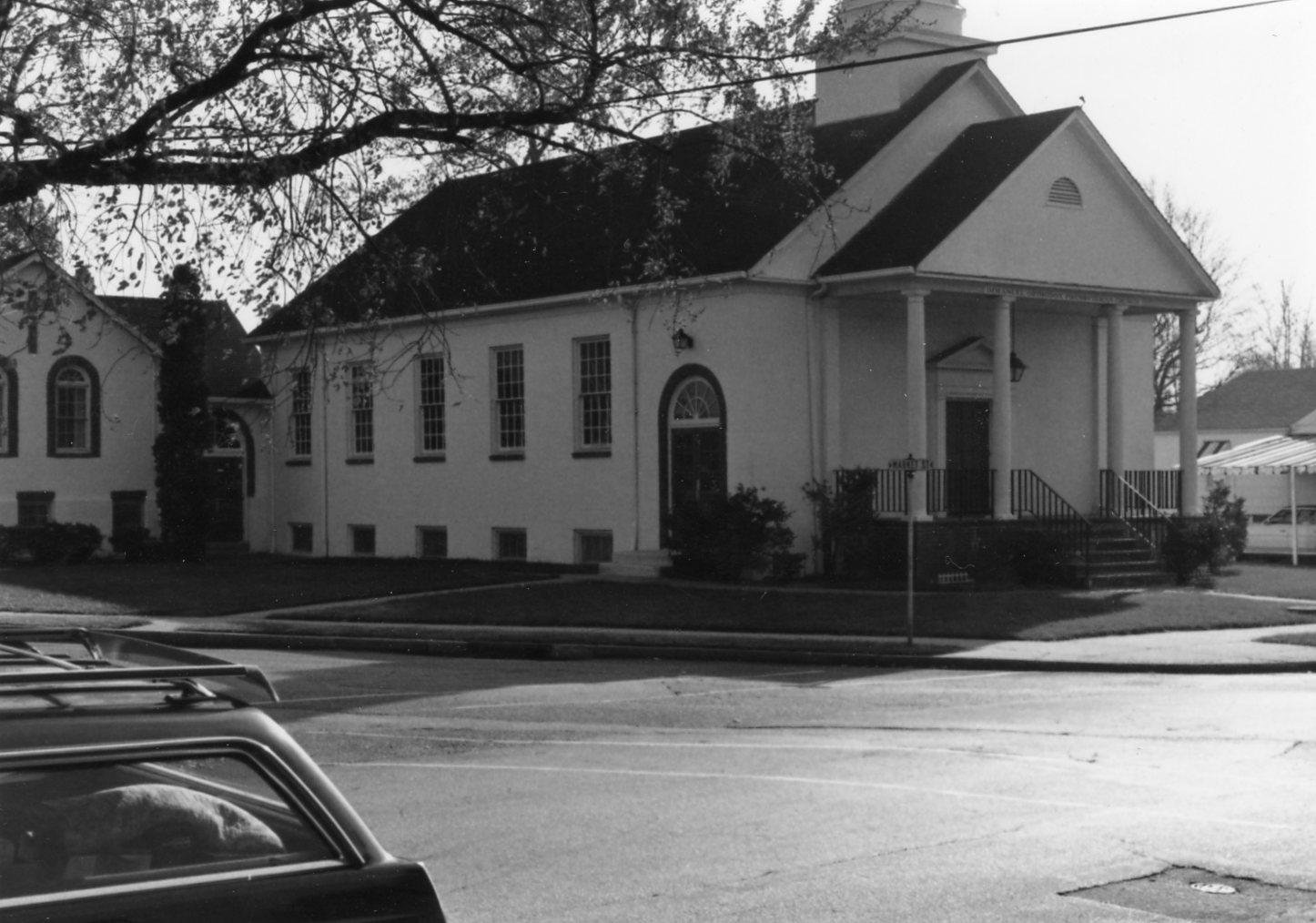
Photograph of an Orthodox Presbyterian Church congregation. Courtesy of The Orthodox Presbyterian Church, from “The Orthodox Presbyterian Church in the South (Part 2),” OPC.org.
J. Gresham Machen was one of the most influential conservative Protestant scholars of the twentieth century. A distinguished New Testament professor at Princeton Theological Seminary, Machen became increasingly concerned that theological liberalism was gaining influence within the churches and seminaries of his day. While many leaders sought to reconcile Christianity with modern intellectual trends, Machen argued that historic Christian doctrine could not be reduced to mere moral teachings or religious sentiment. His landmark 1923 book, Christianity and Liberalism, contended that liberal theology and historic Christianity were fundamentally different religions rather than differing expressions of the same faith.
These tensions intensified during the 1920s and 1930s as disputes over biblical authority, missions, and doctrinal standards divided American Presbyterianism. Machen became a leading voice for those who believed the denomination was drifting away from its historic confessional foundations. His opposition to the denomination’s mission policies and theological direction eventually brought him into direct conflict with church authorities.
On June 11, 1936, Machen and a group of like-minded ministers and elders formally separated from the United Presbyterian Church and established what would become the Orthodox Presbyterian Church. The new denomination sought to preserve traditional Reformed theology, uphold the authority of Scripture, and maintain adherence to the historic Westminster Confession of Faith. Though relatively small in size, the Orthodox Presbyterian Church would exert a significant influence on conservative Presbyterianism and the broader evangelical movement in North America.
Machen did not live long to see the denomination’s development. He died only months later, on January 1, 1937, at the age of fifty-five. Nevertheless, his writings, scholarship, and defense of orthodox Christian doctrine continue to shape churches, seminaries, and believers around the world.
Why This Matters
Machen’s role in founding the Orthodox Presbyterian Church highlights a recurring theme in Christian history: the struggle to preserve theological convictions amid changing cultural and intellectual currents. Whether one agrees with all of his conclusions or not, Machen’s life demonstrates the profound influence that ideas, doctrine, and biblical interpretation can have on the future direction of the church.
