
June 9, 1911 - Carrie Nation, Prohibitionist, Dies
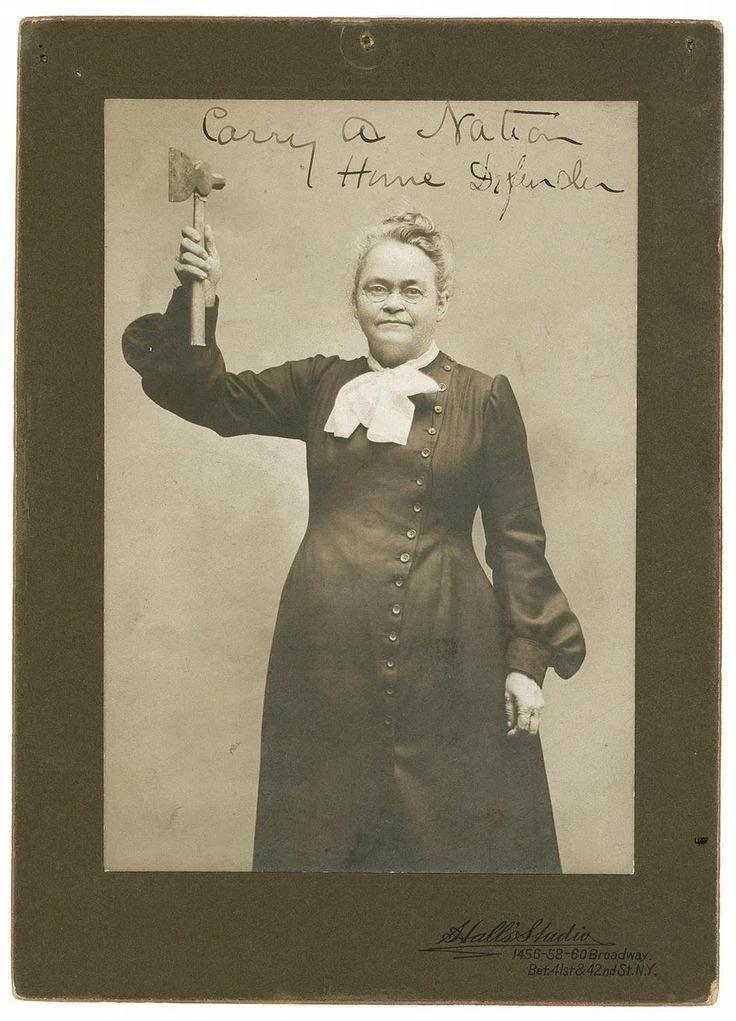
Carrie A. Nation. Photograph published before 1923. Public domain. Courtesy of Wikimedia Commons. Accessed June 5, 2026.
Few figures in American Christian history were as controversial—or as impossible to ignore—as Carrie Nation. A passionate advocate for the temperance movement, Nation became famous for her dramatic and often destructive campaign against the sale and consumption of alcohol. To her supporters, she was a courageous reformer willing to confront a social evil that was destroying families and communities. To her critics, she was a vigilante whose methods crossed the line between protest and lawlessness.
Born in 1846, Nation's opposition to alcohol was deeply personal. Her first husband struggled with alcoholism, and she witnessed firsthand the damage that addiction could inflict on individuals and families. Those experiences convinced her that alcohol was one of the greatest social problems facing the nation. As a committed Christian, she came to believe that God had called her to take direct action against the liquor trade.
Most reformers of her day relied on speeches, petitions, and political organizing. Nation chose a far more dramatic approach. Beginning in the late 1890s, she became known for entering saloons and smashing liquor bottles, mirrors, and furniture with rocks, bricks, and eventually a hatchet. These incidents, which she called "hatchetations," attracted enormous attention from newspapers across the country. Whether people agreed with her or not, they knew her name.
Her actions led to repeated arrests. By the end of her life, she had been arrested at least thirty-two times for destruction of property. Rather than discouraging her, these arrests often increased her notoriety and gave her additional opportunities to speak about the dangers of alcohol. She even sold miniature souvenir hatchets to help fund her work.
Carrie Nation died on June 9, 1911, just years before the ratification of the Eighteenth Amendment and the beginning of national Prohibition. Although historians continue to debate her methods, there is little doubt that she became one of the most recognizable faces of the temperance movement. Her famous description of herself captured both her personality and her mission: she was "a bulldog running along at the feet of Jesus, barking at what He doesn't like."
Why This Matters
Carrie Nation reminds us that Christians have often disagreed not only about social issues but also about how to address them. While many people question her tactics, her story illustrates the passion with which believers have sometimes pursued moral reform. She also serves as a reminder that social movements are often shaped by individuals willing to challenge the status quo, even when doing so makes them controversial. Understanding figures like Nation helps us better understand the intersection of faith, public activism, and social change in American history.
