
March 14, 1661 - William Leddra Hanged as a Quaker
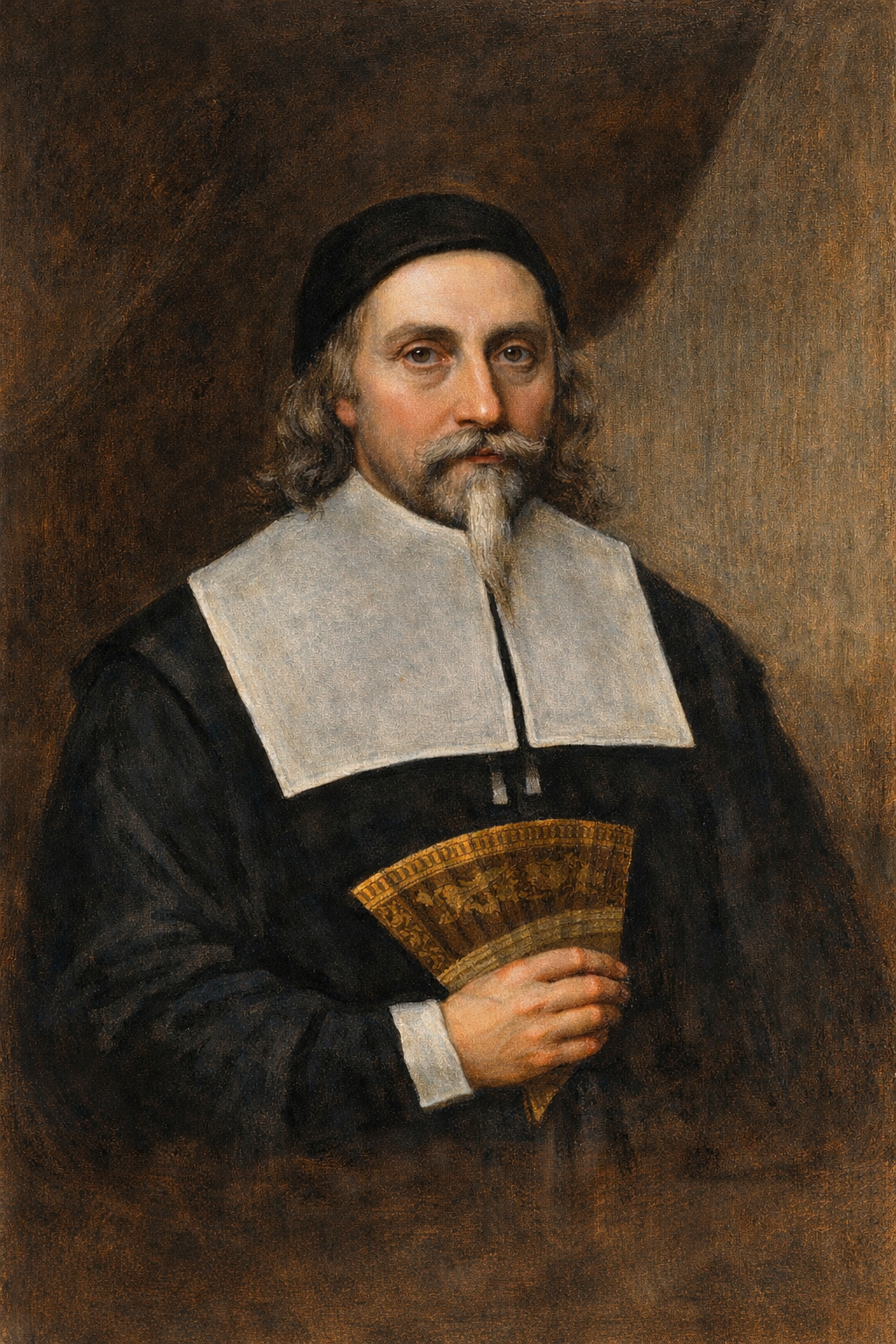
William Leddra. Engraved portrait of William Leddra, 17th–18th century. Public domain. Original description and historical reference drawn from Wikipedia. Image digitally enhanced and colorized using ChatGPT (AI-assisted rendering based on the public-domain engraving).
In seventeenth-century Massachusetts, Puritan leaders sought to preserve religious uniformity within the colony. Quakers, who emphasized the “Inner Light” and rejected formal church rituals, were viewed as dangerous dissenters. They were fined, imprisoned, branded, and banished.
When banishment failed to silence them, harsher penalties followed. On March 14, 1661, William Leddra became the last Quaker executed in Massachusetts for defying orders not to return after exile. Before his execution, he declared, “for bearing my testimony for the Lord against deceivers and the deceived, I am brought here to suffer. Lord Jesus receive my spirit.”
Leddra’s death marked the end of capital punishment for Quakers in the colony. Mounting criticism from England and internal discomfort eventually led Massachusetts authorities to moderate their policies.
The execution reveals a paradox in early American history: colonies founded by those seeking religious liberty sometimes denied that same liberty to others. The persecution of Quakers reminds us that the development of religious freedom in America was gradual, often forged through conflict and tragedy rather than immediate consensus.
