
May 10, 1508 - Pope Julius II Orders Completion of the Sistine Chapel
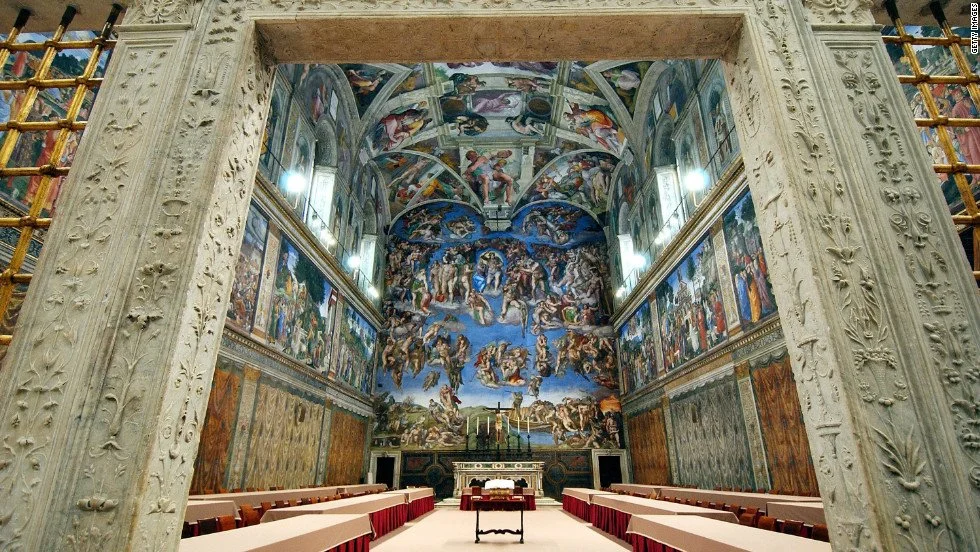
Sistine Chapel ceiling, by Michelangelo. Public domain (via Wikimedia Commons).
Within the Vatican, near St. Peter’s Basilica, stands the Sistine Chapel, the very spot where a new pope is selected. Michelangelo, sculptor, painter, and architect, painted the ceilings, which are recognized as some of the greatest works of art in the world. During its completion, however, he fell dramatically behind schedule, and on May 10, 1508, he was commissioned by Pope Julius II to recommence work or face punishment. In total, the paintings took four years to execute. Many pieces of his work are widely recognized today, including Creation of Adam and various scenes from Genesis. He painted over 300 figures, showcasing exquisite artistic and anatomical skills; furthermore, he largely worked alone and under physically demanding conditions- frequently painting while lying on scaffolding. Today, the chapel is used for the papal conclave, where cardinals vote to elect a new pope. In the 20th century, the ceiling was restored, revealing brighter original colors.
Michelangelo’s paintings are an example of how art can be used to inspire worship and communicate biblical truths. God gifts humanity with talents and gifts to be used for his glory- Michelangelo’s life is an example of this. His paintings also show that visual storytelling holds importance in teaching scripture as it provides a way for people to visually comprehend what happened in Scripture. Faith has not only influenced theology but also culture and art, and it continues to do so today. Finally, the story of Michelangelo’s paintings are one of many examples of how meaningful work often requires obedience and endurance.