
August 10, 1815 - Samuel Leigh Brings Methodism to Australia
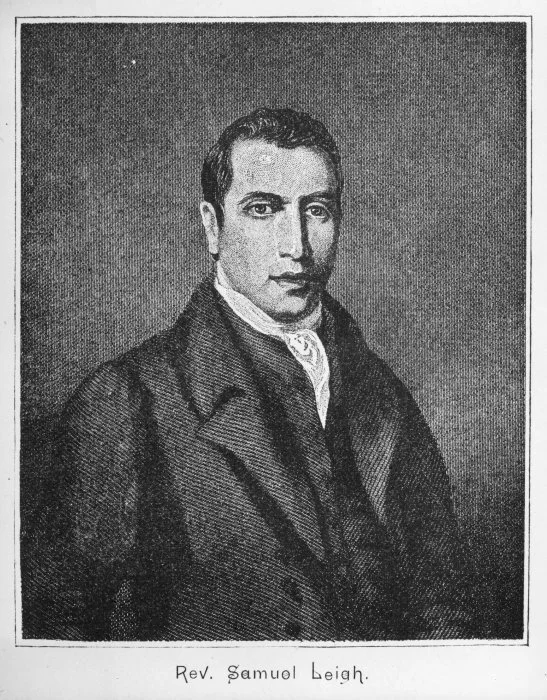
Samuel Leigh (1785–1852), Methodist missionary to Australia. State Library of New South Wales. Public Domain.
On August 10, 1815, English Methodist missionary Samuel Leigh arrived in Sydney aboard the Hebe, becoming the first officially appointed Methodist missionary to Australia. At the time, the colony of New South Wales was still young, populated by convicts, soldiers, settlers, and government officials. Religious life was limited, and many communities lacked regular Christian instruction. Leigh believed the growing colony needed both the Gospel and organized churches to shape its moral and spiritual future.
Leigh immediately began preaching throughout the Sydney area, often traveling long distances on horseback to reach isolated settlers. He organized Methodist societies, established preaching stations, and encouraged lay leadership in places where ordained ministers were scarce. His ministry expanded beyond New South Wales, eventually reaching the indigenous Māori people of New Zealand, where he helped lay the foundation for Methodist missionary work that would continue for generations.
Although Leigh faced illness, financial hardships, and the physical challenges of Australia's rugged frontier, he remained committed to the work. During his years of ministry, Methodism grew from a handful of believers into an established denomination with churches, schools, and missionaries serving across the region. His efforts helped transform Methodism into one of Australia's enduring Christian traditions.
Why it matters:
Samuel Leigh's arrival marked the beginning of organized Methodist missions in Australia. His willingness to endure hardship while planting churches demonstrated the missionary zeal that characterized the nineteenth-century evangelical movement. The Methodist churches he helped establish became influential in Australian education, social reform, and evangelism, leaving a legacy that continues through the Methodist and Uniting Church traditions today.