
August 11, 1872 - Dr. Lowell Mason Dies
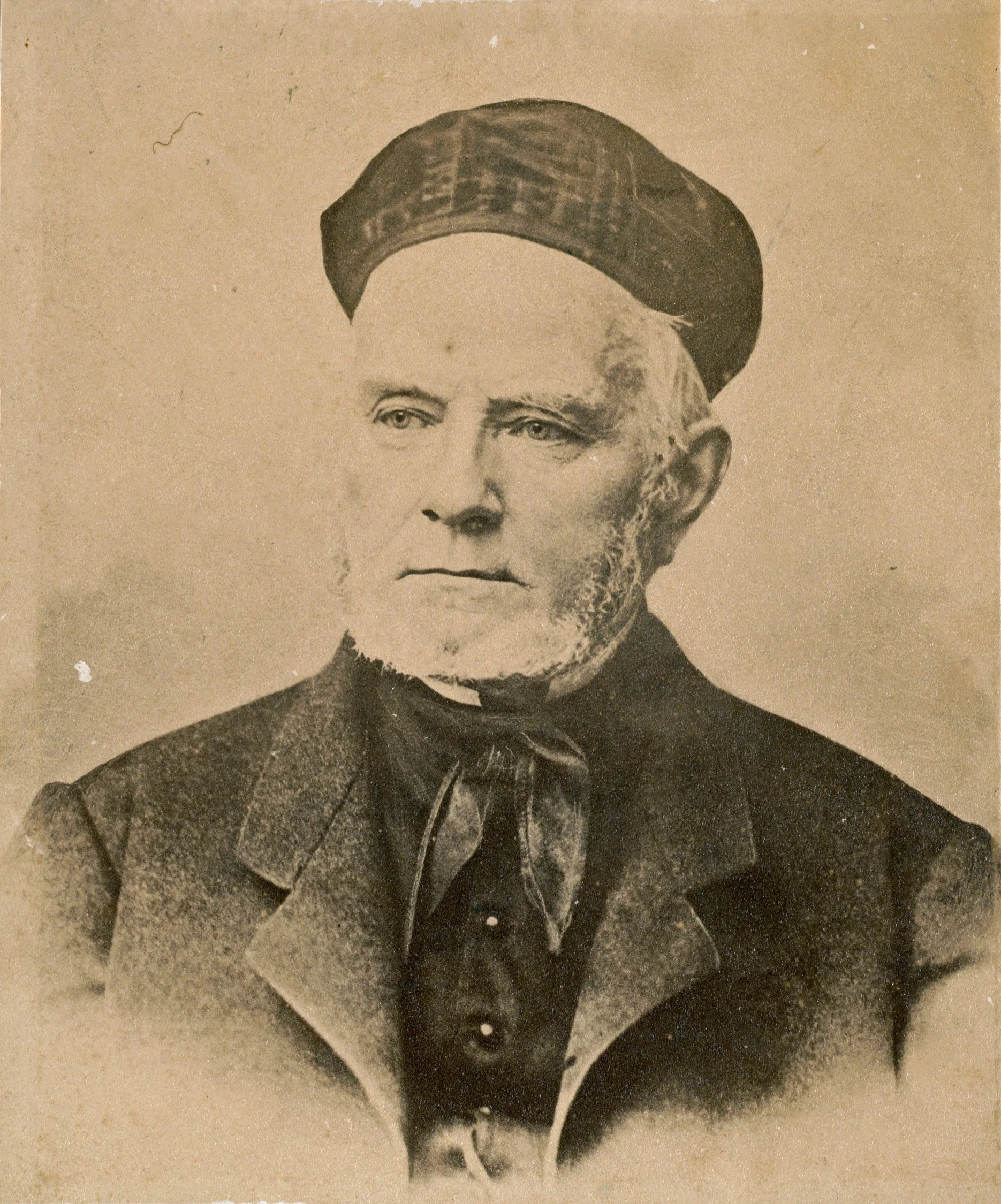
Portrait of Dr. Lowell Mason, published by Oliver Ditson & Co., Boston, c. 1857–1900. Digital Commonwealth (Boston Public Library), via Wikimedia Commons. Public Domain.
Lowell Mason helped shape the sound of American worship long before church music became a formal profession. Although he began his career as a bank clerk in Savannah, Georgia, his passion for music steadily drew him into ministry and education. Over time, he became one of the most influential figures in American sacred music, earning the title “Father of American Church Music.”
Mason believed that congregational singing should be both biblically meaningful and musically accessible. He worked tirelessly to improve church hymnody, introducing higher musical standards while encouraging ordinary church members to participate in worship through song. His influence extended beyond the church as he became a pioneer in music education, helping establish music as a regular subject in American public schools.
Among his many accomplishments, Mason served as president and conductor of the Handel and Haydn Society in Boston, one of the nation's oldest and most respected musical organizations. He also composed and arranged hundreds of hymn tunes, many of which remain staples of Christian worship. His musical settings have carried timeless hymns such as "Nearer, My God, to Thee" and "When I Survey the Wondrous Cross" into churches around the world for generations.
When Lowell Mason died on August 11, 1872, he left behind a legacy that continues to shape Christian worship today. His commitment to excellence in sacred music transformed how churches sang, influenced the development of music education in America, and ensured that countless believers could express their faith through hymns that remain cherished more than 150 years later.
Why it matters:
Lowell Mason demonstrated that music is more than an artistic expression—it is a powerful tool for teaching biblical truth and leading worship. His work helped establish congregational singing as a central part of Protestant worship, leaving a lasting impact on churches, schools, and Christian music throughout the United States and beyond.