
July 10, 1509 - John Calvin Born
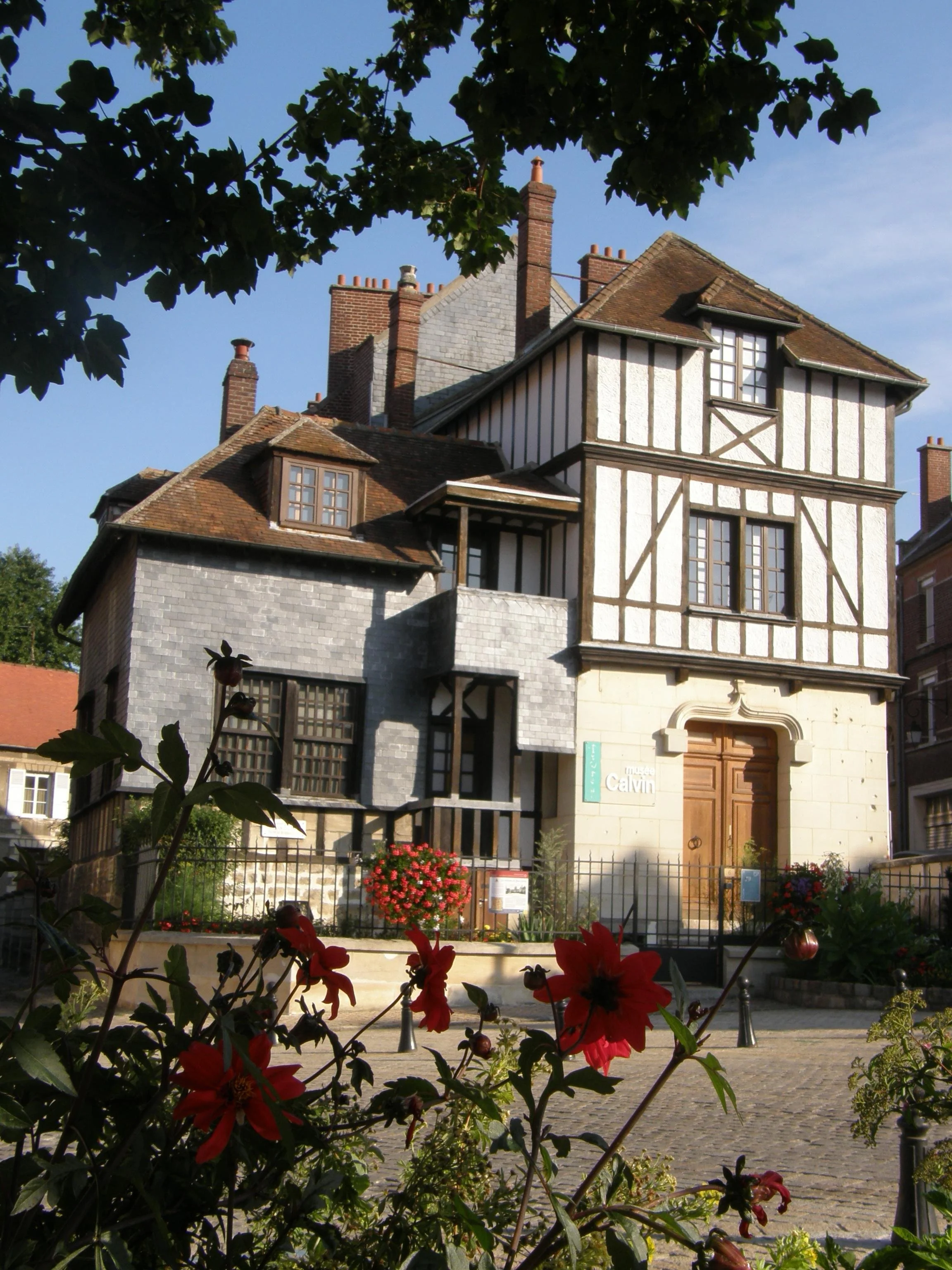
"Maison natale de Jean Calvin, Noyon, France." Photograph by Velvet, licensed under CC BY-SA 3.0, via Wikimedia Commons.
https://commons.wikimedia.org/wiki/File:Maison_natale_de_Jean_Calvin_-_Noyon.jpg
The Protestant Reformation produced many influential leaders, but few shaped Christian theology as profoundly as John Calvin. Born in Noyon, France, on July 10, 1509, Calvin originally studied law before embracing the Protestant movement. Forced to flee religious persecution in France, he eventually settled in Geneva, Switzerland, where he spent much of his life preaching, teaching, and helping reform the city's church.
At just twenty-seven years old, Calvin began a ministry that would continue until his death in 1564. His most enduring work, Institutes of the Christian Religion, became one of the foundational theological texts of the Protestant Reformation. First published in 1536 and expanded throughout his lifetime, the Institutes systematically explained Christian doctrine and helped shape generations of pastors, scholars, and churches.
Calvin is most closely associated with the doctrine of predestination, and the theological system later known as Calvinism continues to be debated among Christians. While many believers embrace his teachings on God's sovereignty and grace, others disagree with aspects of his theology. Regardless of one's position, Calvin's influence on Protestant thought, biblical interpretation, education, and church government is impossible to ignore.
Why It Matters
John Calvin's legacy extends far beyond the churches that bear his theological name. His emphasis on the authority of Scripture, careful biblical study, and the glory of God helped shape Reformed Christianity and influenced Presbyterians, Congregationalists, many Baptists, and countless evangelical thinkers. More than five centuries after his birth, his writings remain among the most studied works of Christian theology.

