
June 25, 1962 - Supreme Court Removed Prayer from Schools
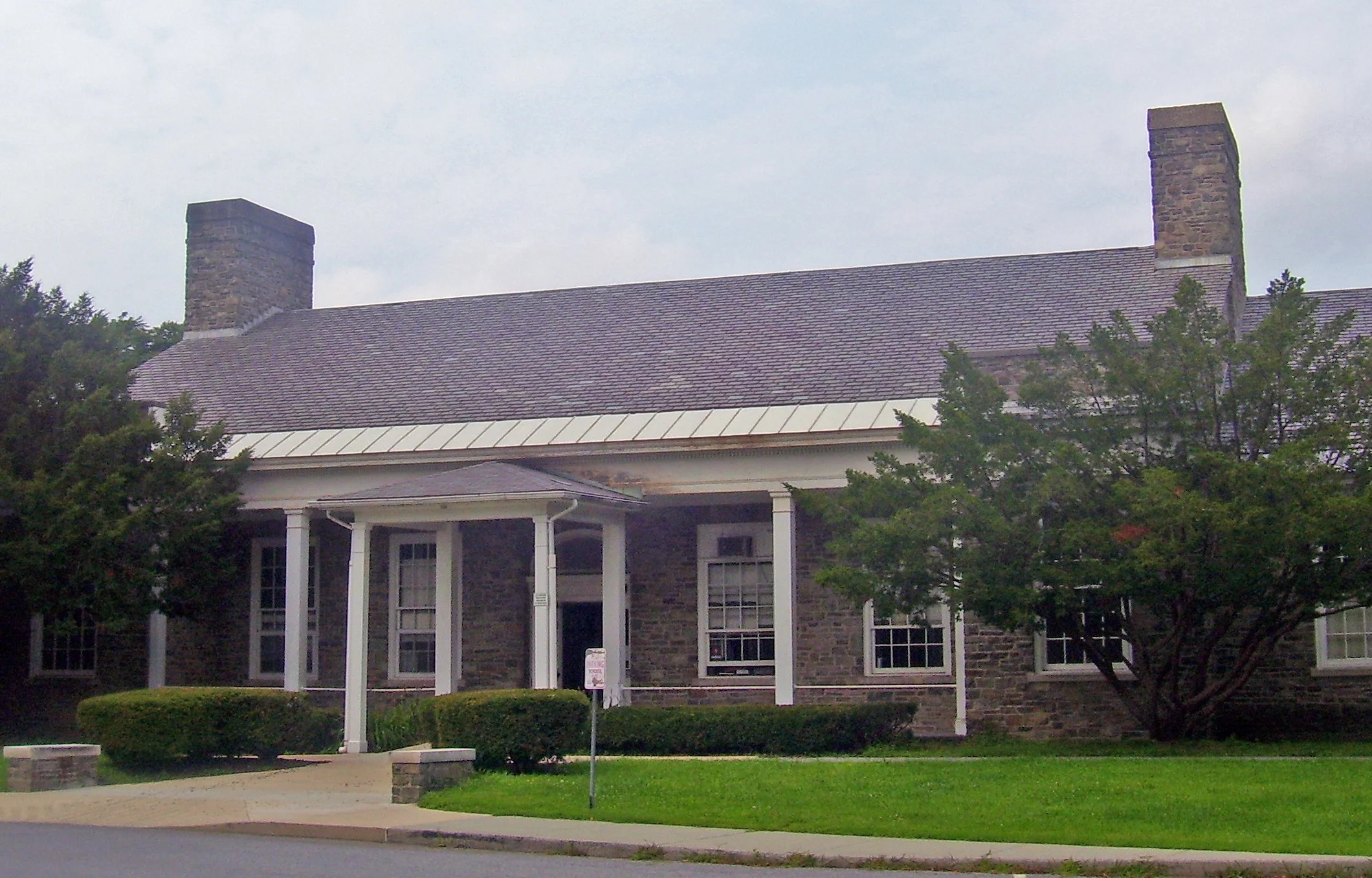
Photograph of Hyde Park Elementary School, Hyde Park, New York. Courtesy of Wikimedia Commons, used under the applicable Creative Commons license.
June 25, 1962, marked one of the most consequential church-state decisions in American history. In the case of Engel v. Vitale, the United States Supreme Court ruled 6–1 that a government-written prayer recited in public schools violated the Establishment Clause of the First Amendment.
The case arose in Hyde Park, New York, where a group of families objected to a state-approved prayer that local schools asked students to recite each morning:
“Almighty God, we acknowledge our dependence upon Thee, and we beg Thy blessings upon us, our parents, our teachers, and our country. Amen.”
Although participation was technically voluntary, the Court held that the government itself had no constitutional authority to compose official prayers for use in public schools. Writing for the majority, Justice Hugo Black argued that the First Amendment was designed in part to prevent government from becoming involved in religious exercises, even when those exercises reflected broadly shared beliefs.
The lone dissenter was Justice Potter Stewart. Stewart contended that the Establishment Clause prohibited the creation of an official national church but did not forbid voluntary acknowledgments of God in public life. In his view, the prayer reflected a longstanding American tradition rather than the establishment of religion.
The decision did not ban private prayer in schools; students remained free to pray individually or in groups, provided participation was voluntary and not directed by school officials. Nevertheless, Engel v. Vitale ignited decades of debate over the relationship between religion and public education—a debate that continues to shape American law and culture today.
Why It Matters
The ruling highlighted a longstanding tension in American history: how to preserve both religious liberty and governmental neutrality toward religion. Supporters saw the decision as protecting freedom of conscience by preventing state-sponsored religious practices. Critics believed it represented an unnecessary removal of religion from public life. More than sixty years later, Engel v. Vitale remains one of the most influential Supreme Court decisions concerning the place of faith in the public square.
