
June 24, 1813 - Henry Ward Beecher Born
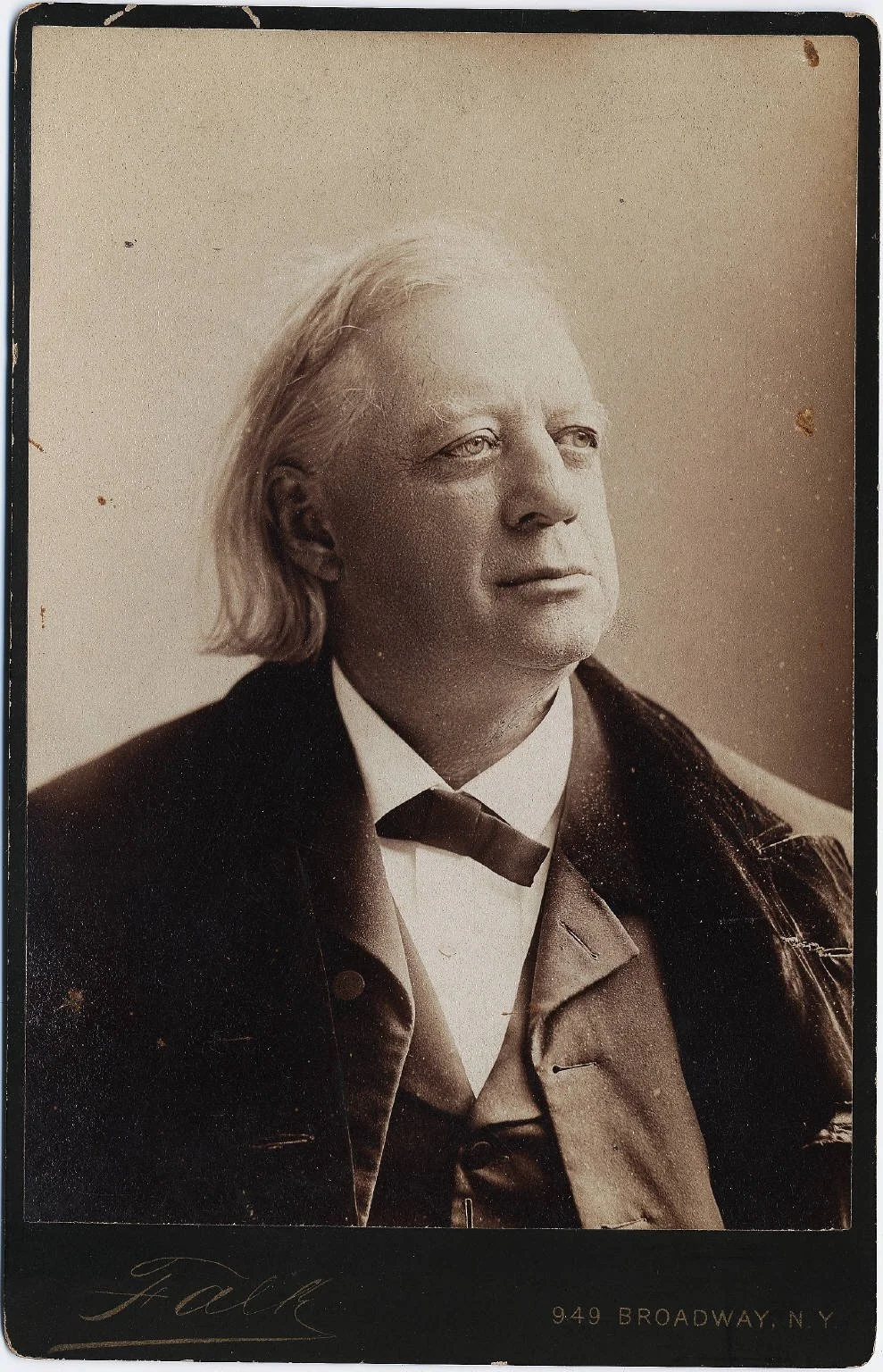
Henry Ward Beecher, ca. 1875. Courtesy of the Beinecke Rare Book & Manuscript Library, Yale University, via Wikimedia Commons. Public domain.
Henry Ward Beecher was born in Litchfield, Connecticut, into one of America’s most influential religious families on June 24, 1813. The son of famed revivalist Lyman Beecher and brother of author Harriet Beecher Stowe, Beecher would become one of the most prominent Protestant ministers of the nineteenth century. Though remembered today largely for his role in social reform, Beecher first saw himself as a preacher of the gospel and a pastor concerned with the moral life of his nation.
After studying at Amherst College and Lane Theological Seminary, Beecher entered the Congregational ministry. In 1847 he became pastor of Plymouth Church in Brooklyn, New York, where his engaging sermons and emphasis on God’s love drew thousands of listeners. At a time when many ministers stressed divine judgment, Beecher emphasized grace, compassion, and the transforming power of Christianity.
Beecher also believed that Christian faith carried public responsibilities. He became one of the nation’s most outspoken opponents of slavery, arguing that the institution violated both Scripture and human dignity. During the turbulent years leading up to the Civil War, he used his pulpit, writings, and lectures to advocate for abolition. So influential was Beecher that President Abraham Lincoln sent him to Great Britain in 1863, where he delivered speeches encouraging European support for the Union cause and opposition to slavery. Beecher likewise supported expanded educational opportunities and women’s rights, reflecting his conviction that Christian principles should shape society for the better.
His legacy remains complex, marked by both remarkable influence and personal controversy. Yet Henry Ward Beecher exemplified a generation of Protestant leaders who believed the gospel should transform not only individual hearts but also public life. His ministry helped shape American conversations about faith, justice, and social reform during one of the nation’s most critical eras.
Why It Matters
Henry Ward Beecher’s life reminds Christians that faith has both personal and public dimensions. While believers may differ on particular political questions, Beecher’s example demonstrates how deeply held Christian convictions can inspire efforts to address injustice and pursue human dignity. His ministry illustrates the enduring influence religious leaders can have in shaping the moral conscience of a nation.
