
June 26, 1946 - Bishop Alma Bridwell White Dies
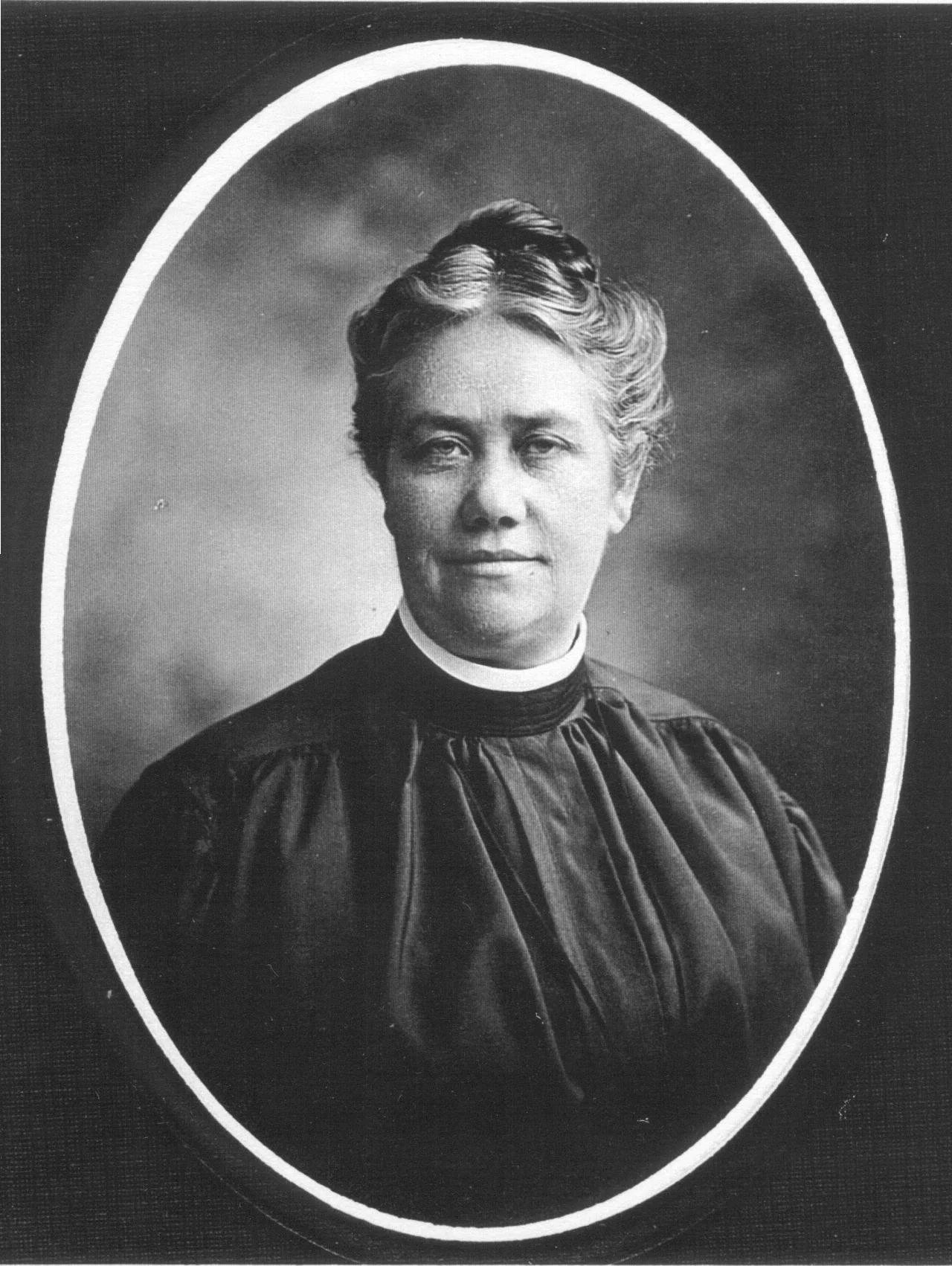
Alma White, ca. 1900–1910. Public domain image courtesy of Wikimedia Commons.
On June 26, 1946, Alma Bridwell White died at the age of eighty-four. A pioneering yet deeply controversial religious leader, White holds the distinction of being the first woman consecrated as a bishop in the United States. In 1901, she founded the religious movement that became the Pillar of Fire Church, originally known as the Methodist Pentecostal Union Church.
White emerged from the Holiness movement of the late nineteenth century, which emphasized personal conversion, holy living, and evangelistic zeal. At a time when women rarely occupied positions of ecclesiastical authority, she broke significant barriers by leading a denomination, preaching widely, publishing extensively, and establishing schools, missions, and media outlets. Her elevation to bishop in 1918 was historically groundbreaking and represented a major milestone for women in American religious leadership.
Yet White's legacy is inseparable from the darker aspects of her ministry. Despite the original Pentecostal language in her denomination’s name, she strongly opposed Pentecostal practices such as speaking in tongues, which she viewed as doctrinal error. More troublingly, she openly supported the Ku Klux Klan during the 1920s and used denominational publications to promote anti-Catholic, anti-immigrant, anti-Semitic, and racist views. Her writings remain among the most troubling examples of how religious conviction can become intertwined with prejudice and political extremism.
The life of Alma White serves as a reminder that historical figures often leave complicated legacies. While her rise to ecclesiastical leadership represented a significant breakthrough for women in ministry, her embrace of racism and religious intolerance stands as a cautionary example of how faith can be distorted when separated from the biblical commands to love one's neighbor and recognize the dignity of all people made in the image of God.
Why It Matters:
Christians today can acknowledge genuine historical achievements while also honestly confronting moral failures. The story of Alma White demonstrates that leadership accomplishments do not excuse prejudice, and that faithfulness to Christ requires both conviction and love.
