May 7, 1274 - Second Council of Lyons
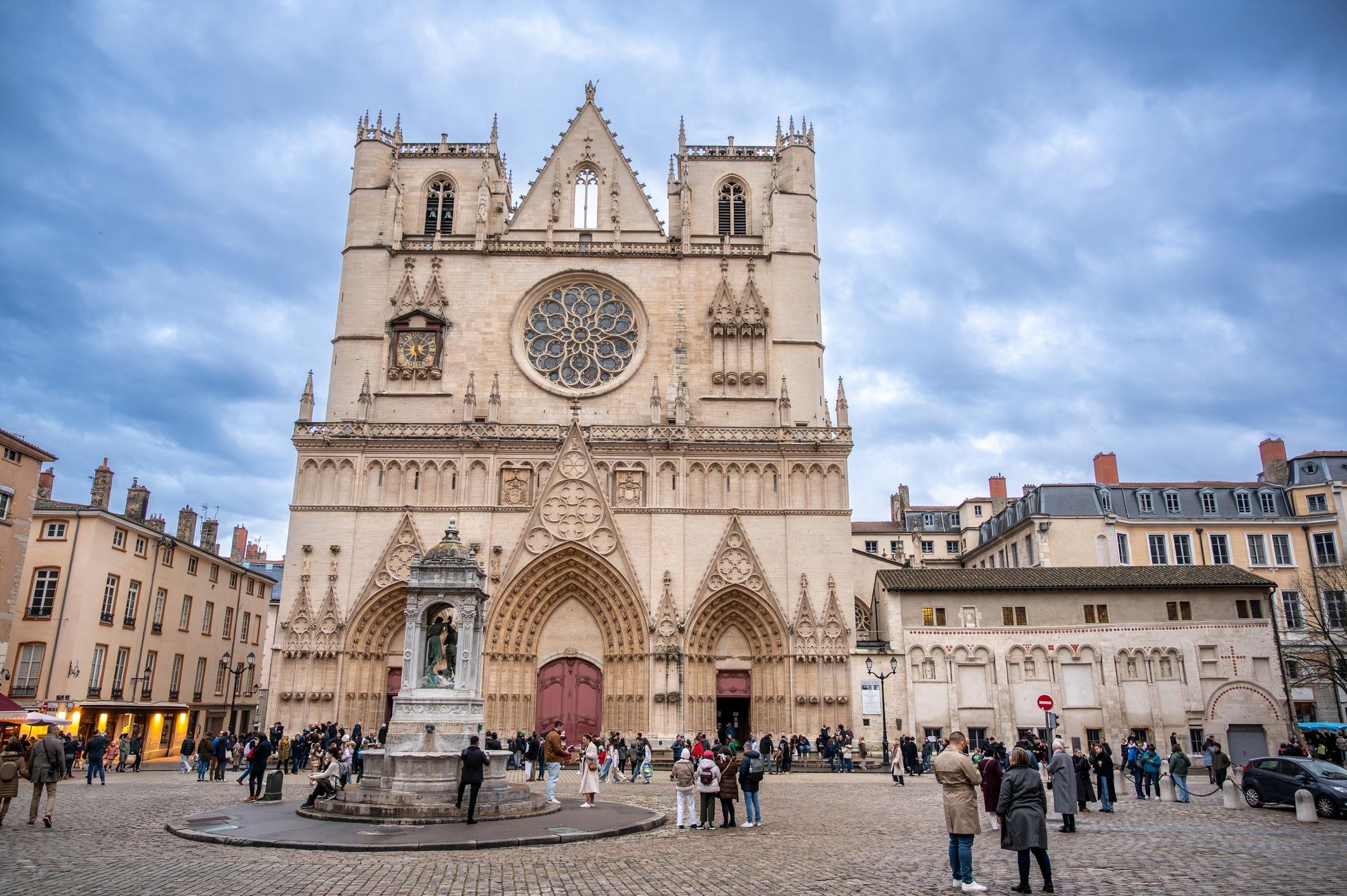
Lyon Cathedral (Cathédrale Saint-Jean-Baptiste), Lyon, France. Photo by Benh LIEU SONG via Wikimedia Commons (CC BY-SA 4.0).
The Great Schism was one of the most influential church splits in history- the formal division between the Roman Catholic and Eastern Orthodox Churches. The split took place in 1095 following centuries of tension from cultural, political, and theological differences. One major dispute between the churches was the doctrinal issue of the Filioque Clause, which stated that the Holy Spirit proceeds from the Father and the Son, raising the controversy of whether or not the Holy Spirit comes from the Father and the Son or only the Father. On May 7, 1274, the two groups met in Lyons, France, for the Second Council of Lyons in an attempt to reunify the two churches. The Council convened under Pope Gregory X. The two groups seemingly agreed on the biggest issue: the dogma and language of the church creed about Jesus Christ as God’s Son. The Byzantine Emperor VIII Palaiogolos advocated for reunion for political reasons, specifically to gain western military aid. While the eastern representatives agreed, the agreement was rejected by the broader Orthodox Church and laity. Ultimately, the reunion did not succeed because of theological disagreement and lack of popular support. Even today, the division exists.
This event explains one of the largest divisions in Christianity, and emphasizes the importance for theological precision. Furthermore, it warns against how theology and politics can become intertwined if not careful. It is important for Christians to remember that unity cannot be forced without genuine agreement and trust. This event also provides context for the differences between Catholic and Orthodox traditions and encourages believers to strive toward reconciliation when possible.