
September 22, AD 286 - Roman Emperor Executes Christian Soldiers
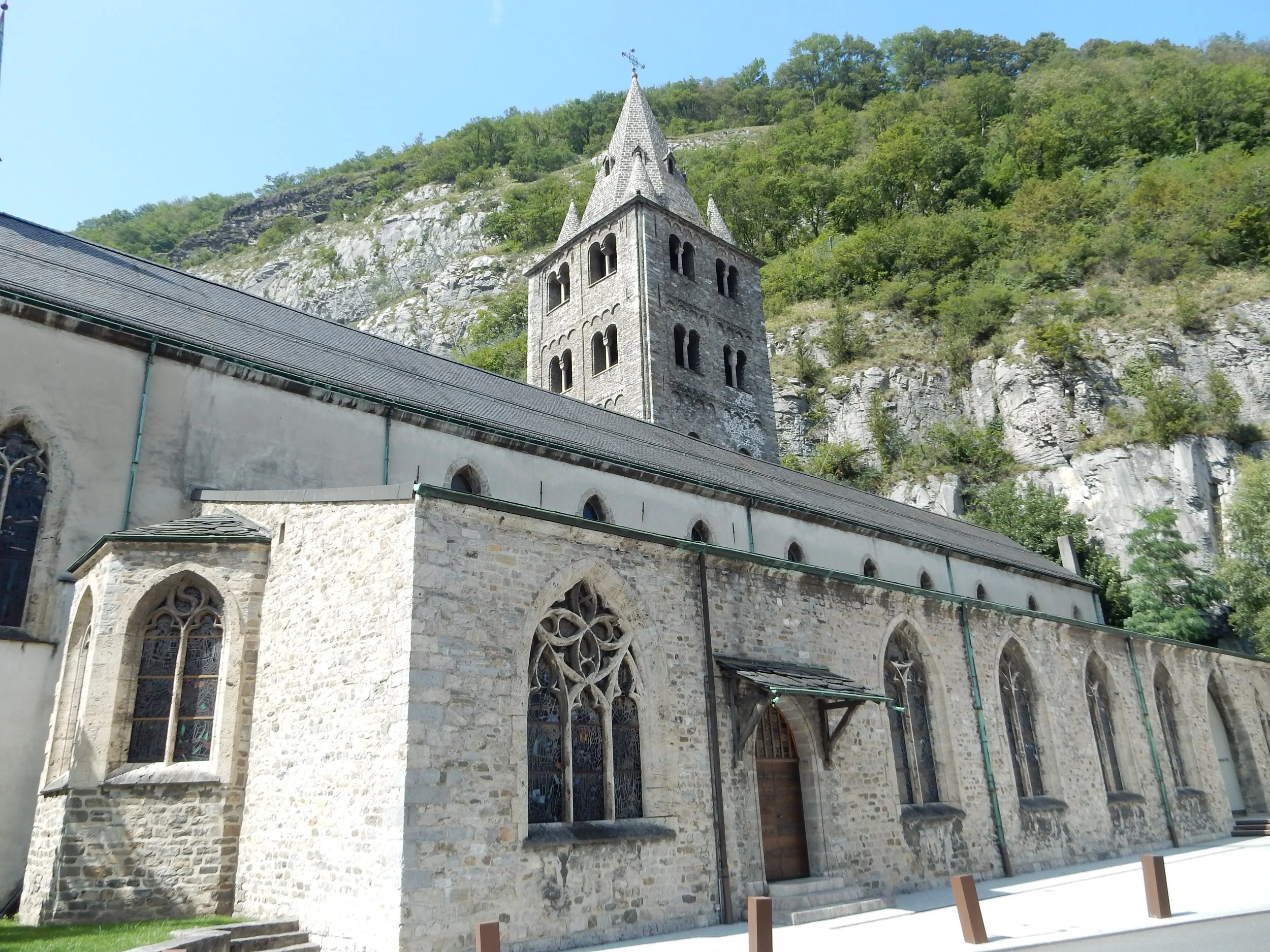
Abbey of Saint-Maurice, Switzerland. Photograph by Paul Bissegger, 2017. Wikimedia Commons. CC BY-SA 4.0.
Christian tradition remembers September 22, AD 286, as the day Roman Emperor Maximian ordered the execution of thousands of his own soldiers because they refused to abandon their Christian faith. Known as the Theban Legion, these soldiers reportedly came from Egypt and served under a commander named Maurice. Their story became one of Christianity’s most enduring accounts of martyrdom and the conflict between religious conscience and imperial authority.
The Roman Empire was undergoing considerable political and military instability during the late third century. Diocletian became emperor in AD 284 and appointed Maximian as his co-emperor in AD 286, giving him responsibility for governing the western territories of the empire.
Roman soldiers were expected to demonstrate loyalty not only through military service but also through participation in the empire’s traditional religious practices. Sacrifices to Roman gods and ceremonies honoring the emperor were important expressions of loyalty to the state. For Christian soldiers, these expectations could create a conflict between their military obligations and their refusal to worship any deity other than the God of Christianity.
According to the traditional account, the Theban Legion originated in the Thebaid, a region of Upper Egypt associated with the ancient city of Thebes. Christianity had already established a substantial presence in Egypt, particularly in Alexandria, and was spreading into other regions of the country. The soldiers are traditionally described as Egyptian Christians, although their precise ethnic backgrounds cannot be established.
The legion reportedly consisted of approximately 6,600 soldiers commanded by Maurice, with officers including Candidus and Exuperius.
Maximian ordered the legion westward to assist with military operations in Gaul, where Roman authorities were attempting to suppress rebellions associated with the Bagaudae. These groups challenged imperial authority during a period of economic hardship and political instability.
The soldiers eventually reached Agaunum, a settlement in the Rhône Valley of present-day Switzerland.
According to Christian tradition, Maximian demanded that the soldiers participate in pagan religious ceremonies and assist in actions against Christians. Maurice and his men refused, maintaining that their loyalty to the emperor did not extend to worshiping pagan gods or persecuting fellow believers.
Their refusal was particularly significant because these were not civilians resisting military conscription. They were already serving in the Roman army and reportedly remained willing to fulfill their ordinary military responsibilities.
Maximian responded by ordering the legion to be decimated.
Decimation was a Roman military punishment in which one soldier out of every ten was selected for execution. It was intended to punish collective disobedience and intimidate surviving soldiers into submission.
When the remaining soldiers continued to refuse the emperor’s demands, Maximian reportedly ordered a second decimation.
Maurice and his officers encouraged the survivors to maintain their Christian convictions. According to the account, the soldiers declared that they were prepared to fight the emperor’s enemies but would not renounce Christ or participate in the persecution of Christians.
Maximian ultimately ordered the execution of the remaining soldiers.
The traditional account states that the legion offered no armed resistance.
Although the story became widely accepted in Christian tradition, historians continue to debate its historical accuracy. The principal surviving account was written around AD 450 by Eucherius, bishop of Lyon, approximately 150 years after the traditional date of the executions.
Eucherius reported that the story had been preserved through earlier Christian witnesses and that Theodore, bishop of Octodurum, had identified the martyrs’ burial place during the late fourth century.
A church was subsequently established at Agaunum to commemorate the soldiers.
The existence of a Christian martyr shrine at the site is historically significant, but the execution of an entire legion of 6,600 soldiers cannot be independently confirmed from surviving contemporary Roman records. The precise date and circumstances of the reported martyrdom also remain uncertain.
Nevertheless, the tradition of Maurice and his companions became firmly established in European Christianity.
On September 22, AD 515, Sigismund, king of the Burgundians, established a monastery at Agaunum in honor of the martyrs. The settlement eventually became known as Saint-Maurice, taking its name from the legion’s commander.
The Abbey of Saint-Maurice developed into an important pilgrimage destination and remains an active Christian institution. Its religious community preserves a tradition associated with the martyrs that extends back more than 1,500 years.
Maurice also became widely venerated as a patron saint of soldiers. His image appeared throughout medieval Europe in churches, manuscripts, and sculptures. Some medieval artists portrayed him as a Black African soldier, reflecting the tradition of his Egyptian origins. One particularly recognizable example is the thirteenth-century statue of Maurice in Magdeburg Cathedral in Germany.
The widespread devotion to Maurice demonstrates how the memory of an early Christian martyr could influence religious identity, military culture, and artistic representation long after the events traditionally associated with his death.
Why It Matters
The Theban Legion became an enduring example in Christian history of the tension between military obedience and religious conscience. Although the details of the reported martyrdom remain historically disputed, the tradition influenced Christian understandings of martyrdom, military service, and resistance to religious coercion. The Abbey of Saint-Maurice and the widespread veneration of its namesake demonstrate the lasting influence of this late Roman martyrdom tradition on European Christianity.
