
August 16, 1795 - Absalom Jones Becomes America’s First African American Episcopal Priest
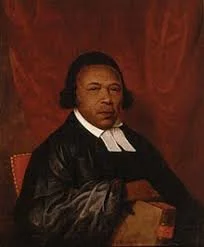
Raphaelle Peale, Portrait of the Rev. Absalom Jones, 1810. Oil on paper mounted to board. Delaware Art Museum, Gift of Absalom Jones School, 1971. Public Domain (CC Public Domain Mark 1.0).
Absalom Jones spent his life breaking barriers while demonstrating that Christian faith and service could transform both individuals and communities. Born into slavery in Sussex County, Delaware, in 1746, Jones purchased his wife's freedom before eventually earning his own. After settling in Philadelphia, he became a respected lay leader, committed to serving both the spiritual and physical needs of the city's growing free Black population.
Long before he entered the priesthood, Jones helped organize the Free African Society in 1787 alongside Richard Allen. The society provided financial assistance, education, and care for widows, orphans, and those in need within Philadelphia's African American community. During the devastating yellow fever epidemic of 1793, Jones and other members of the society remained in the city to care for the sick and dying, despite widespread fear and misunderstanding about the disease.
On August 16, 1795, Absalom Jones became the first African American ordained as a priest in the Episcopal Church in the United States. He served at the African Episcopal Church of St. Thomas in Philadelphia, the first Black Episcopal congregation in the nation. Throughout his ministry, Jones preached the Gospel while advocating for racial equality, education, and compassionate care for those facing poverty and discrimination.
Why It Matters
Absalom Jones demonstrated that Christian leadership is measured by faithful service rather than social status. His ordination marked a historic milestone for the American church, opening the door for future generations of African American clergy. His legacy continues to remind Christians that the Gospel calls believers to proclaim Christ while pursuing justice, mercy, and practical care for their neighbors.