
August 14, 1248 - Construction Begins on Cologne Cathedral
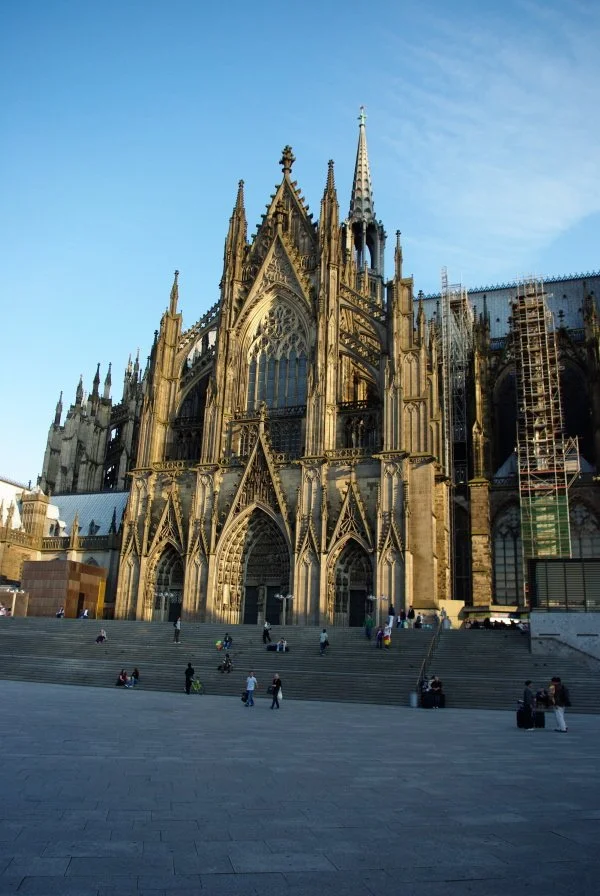
Markus Kniebes, Exterior of Cologne Cathedral, photograph, June 16, 2008. Wikimedia Commons. CC0 1.0 Universal (Public Domain Dedication).
On August 14, 1248, construction began on what would become one of the greatest Gothic cathedrals ever built—Cologne Cathedral (Kölner Dom) in Cologne, Germany. Designed to inspire awe through its soaring architecture, stained-glass windows, and twin spires, the cathedral was intended to be a fitting shrine for one of medieval Christianity's most treasured relics: the traditional remains of the Three Magi, or Wise Men, believed to have visited the infant Jesus.
Archbishop Konrad von Hochstaden laid the foundation stone after the relics had been brought to Cologne nearly a century earlier by Archbishop Rainald of Dassel following Emperor Frederick Barbarossa's conquest of Milan. Pilgrims from across Europe flocked to the city to venerate the relics, creating the need for a magnificent church worthy of housing them. Inspired by the great Gothic cathedrals of France, Cologne's builders envisioned a structure unlike anything Germany had yet seen.
Construction progressed steadily for more than two centuries before work largely ceased around 1473 due to financial constraints and changing architectural tastes. The unfinished cathedral stood with a massive construction crane atop one tower for nearly 400 years, becoming one of Europe's most recognizable unfinished landmarks. During the 19th century, renewed interest in Germany's medieval heritage led to construction resuming in 1842 using the original medieval plans. The cathedral was finally completed in 1880, more than 632 years after construction had begun.
Today, Cologne Cathedral is Germany's most visited landmark, welcoming millions of visitors each year. Designated a UNESCO World Heritage Site, it remains the seat of the Archbishop of Cologne and continues to serve as an active place of Christian worship while standing as one of the finest surviving examples of Gothic architecture in the world.
Why It Matters
Cologne Cathedral reminds us that some of Christianity's greatest achievements were built across generations. Few of the craftsmen who began the project lived to see it completed, yet they faithfully invested their lives in work they believed would glorify God for centuries to come. The cathedral stands as a testimony to the enduring influence of Christian faith on art, architecture, and European civilization, demonstrating how believers often labor not merely for their own generation but for those yet to come.