
July 8, 1663 - Rhode Island Colony Chartered
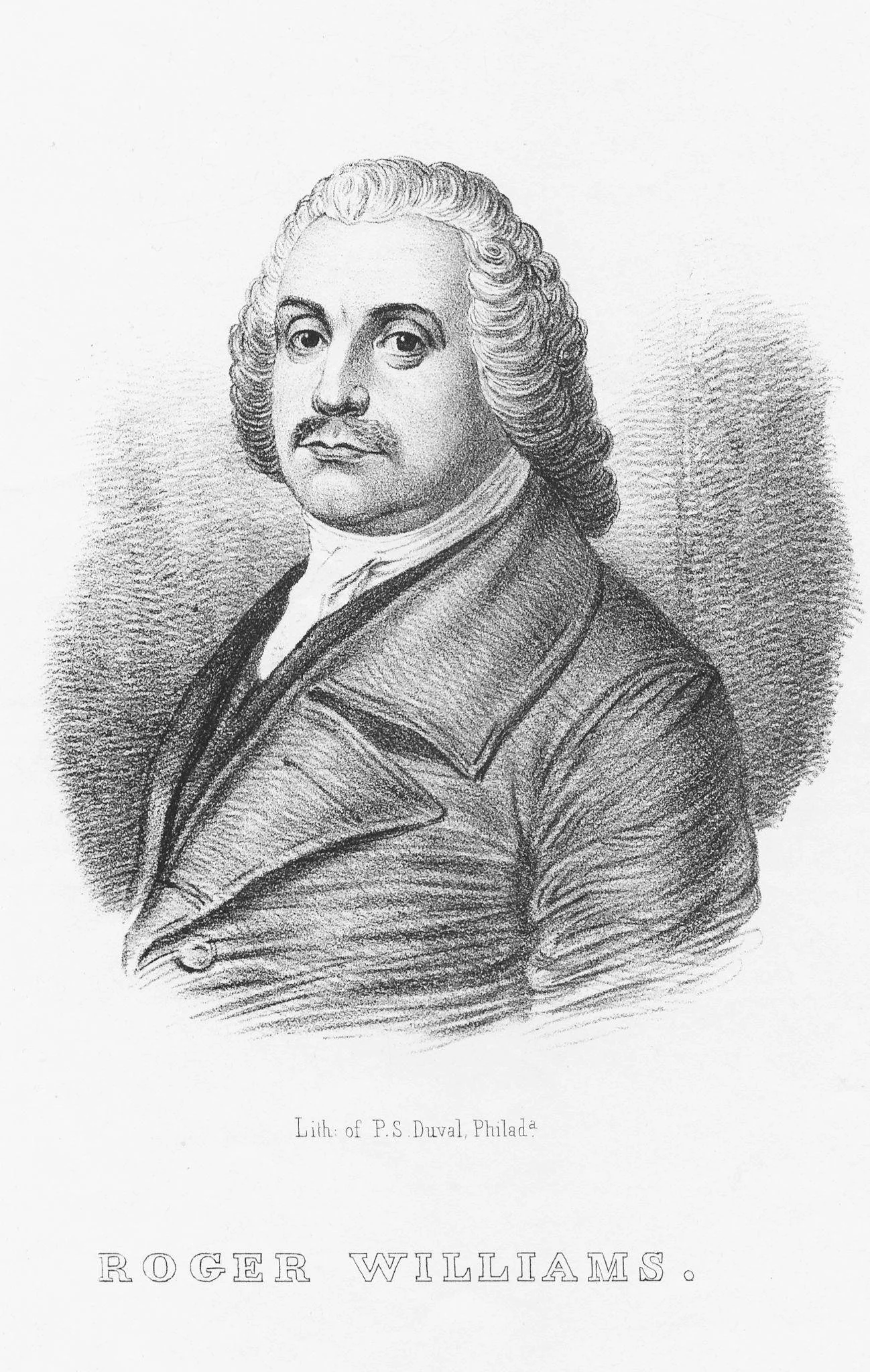
"Roger Williams." New York Public Library Digital Collections. Public domain. https://digitalcollections.nypl.org/
Religious freedom is so deeply woven into the American story that it is easy to forget how revolutionary the idea once was. In the seventeenth century, most English colonies expected religious conformity, and those who challenged the established order often faced banishment, fines, or imprisonment. Roger Williams believed civil government should not control matters of conscience, and his vision would help shape one of America's most enduring principles.
That vision received official recognition when the colony of Rhode Island was granted a royal charter on July 8, 1663. The charter guaranteed that the colony's inhabitants could enjoy "the free exercise and enjoyment of all their civil and religious rights," making Rhode Island one of the most religiously tolerant places in the English-speaking world. Williams also insisted that settlers obtain land through purchase from Native Americans rather than simply claiming it by royal decree, reflecting his conviction that justice and peaceful relations were essential to a Christian society.
Rhode Island soon became a refuge for Baptists, Quakers, Jews, and other religious minorities who found little welcome elsewhere in colonial America. While Williams remained a committed Christian, he argued that genuine faith could never be produced by government coercion. His advocacy for liberty of conscience anticipated principles that would later find expression in the First Amendment to the United States Constitution.
Why It Matters
Roger Williams demonstrated that a society could uphold Christian convictions while protecting the freedom of every individual to worship according to conscience. His ideas profoundly influenced the American understanding of religious liberty, leaving a legacy that continues to shape debates about faith, government, and individual rights today.
