
June 30, 1882 - Bishop Nestor Drowns
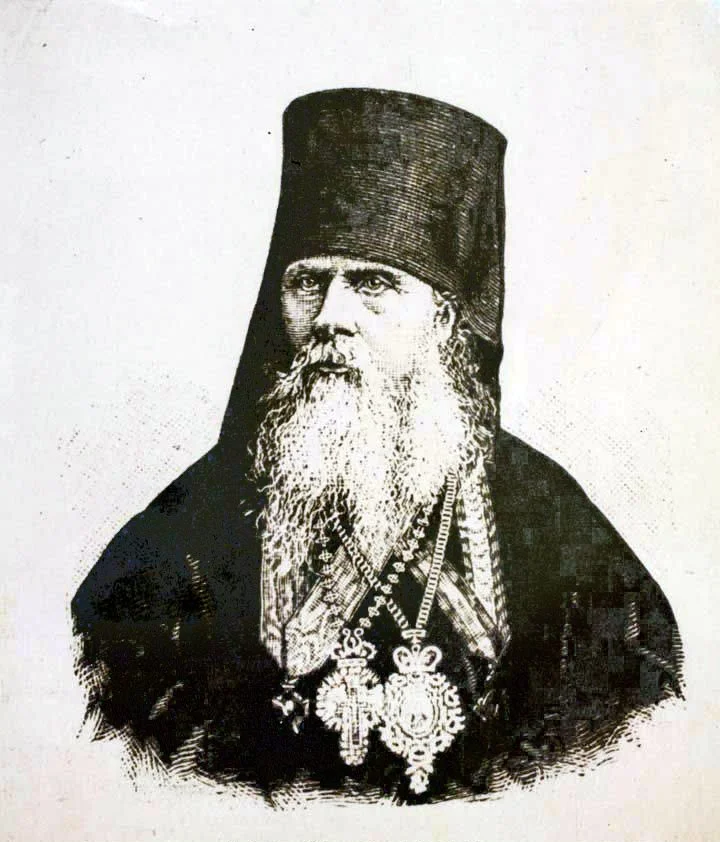
Bishop Nestor (Zass), Bishop of the Aleutian Islands and Alaska, nineteenth-century portrait. Public domain via Wikimedia Commons.
Before Alaska was purchased by the United States in 1867, the region had belonged to Russia for more than a century. As a result, the Russian Orthodox Church established a strong presence there, ministering among Native Alaskan peoples and founding communities that continue to exist today.
One of the most influential leaders of this missionary effort was Bishop Nestor. He is remembered for his dedication to making Christianity accessible to Indigenous communities, including translating portions of Scripture and church materials into Native languages used in Alaska. Such work required not only theological training but also a deep engagement with local cultures and languages.
The vast geography of the North Pacific made ministry exceptionally difficult. The Orthodox diocese overseeing Alaska was headquartered in San Francisco, California, meaning church leaders often spent months traveling by sea between the mainland and the far north. These journeys were long, dangerous, and subject to the unpredictable conditions of the Pacific.
During one of these voyages, tragedy struck. On June 30, 1882, Bishop Nestor fell from his ship and drowned while traveling between California and Alaska. His sudden death ended a ministry that had helped shape the spiritual life of Russian America and its Native peoples.
Yet his legacy endured long after his passing. The Russian Orthodox Church remains an important part of Alaska’s religious landscape, and many Native communities continue to preserve Orthodox traditions handed down through generations. Bishop Nestor’s life reminds us that the history of Christianity in North America extends far beyond the eastern colonies, reaching even the remote shores of the Arctic.
Why it matters:
Bishop Nestor’s ministry demonstrates how translation and cultural engagement have often been central to Christian missions. His efforts helped preserve local languages while making the Christian faith accessible to new communities, leaving an enduring mark on Alaska’s religious heritage.
