

Christian History Today
Resources for your journey through the exploration of Christian History.

April 1, 1826 - Missionary Jonathan Goble Arrives in Japan
April 1, 1826 - Sometimes, the Lord works in very interesting ways. When Baptist missionary Jonathan Goble arrived in Japan on April 1, 1826, he was completely unaware that his wife would become seriously ill eleven years later. In response to advice he received from Japanese doctors, he instructed his wife to spend ample time outdoors. He was also told to have four men carry her about, but Goble was not satisfied with this. As a result, he invented a two-wheeled cart pulled with long poles, thus creating the rickshaw. While he never claimed a patent for his invention, he certainly improved the working lives of many that he came in contact with.
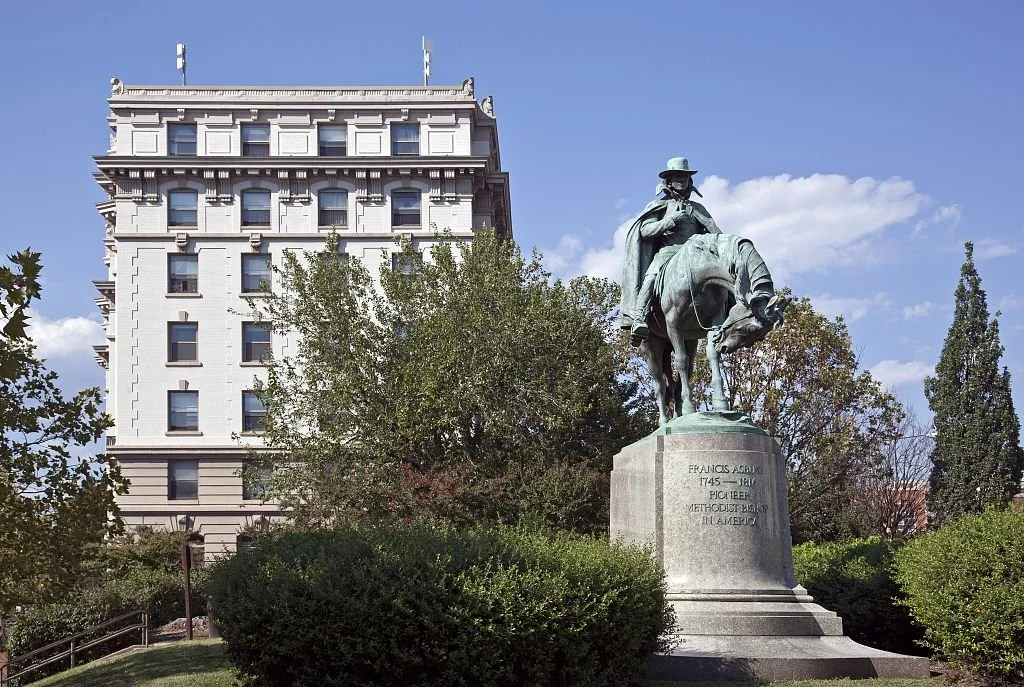
March 31, 1816 - Francis Asbury, First US Methodist Bishop , Dies
Francis Asbury, a driving force behind early American Methodism, died on March 31, 1816. An English-born missionary, Asbury traveled thousands of miles on horseback across the American frontier, preaching and organizing Methodist societies.
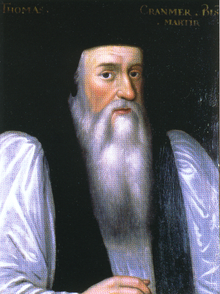
March 30, 1533 - Thomas Cranmer Appointed Archbishop of Canterbury
On March 30, 1533, Thomas Cranmer was appointed Archbishop of Canterbury by King Henry VIII. Though initially reluctant, Cranmer became a central architect of the English Reformation.
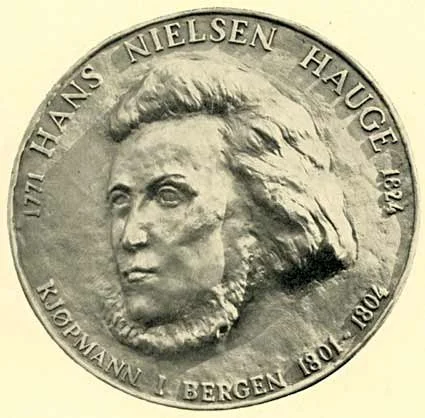
March 29, 1824 - Hans Hauge, Norwegian Preacher, Dies
Hans Nielsen Hauge died on March 29, 1824, after a life marked by spiritual awakening and repeated imprisonment. Growing up in Norway under a state Lutheran church system, Hauge experienced a profound conversion in 1796 and began preaching without official authorization.
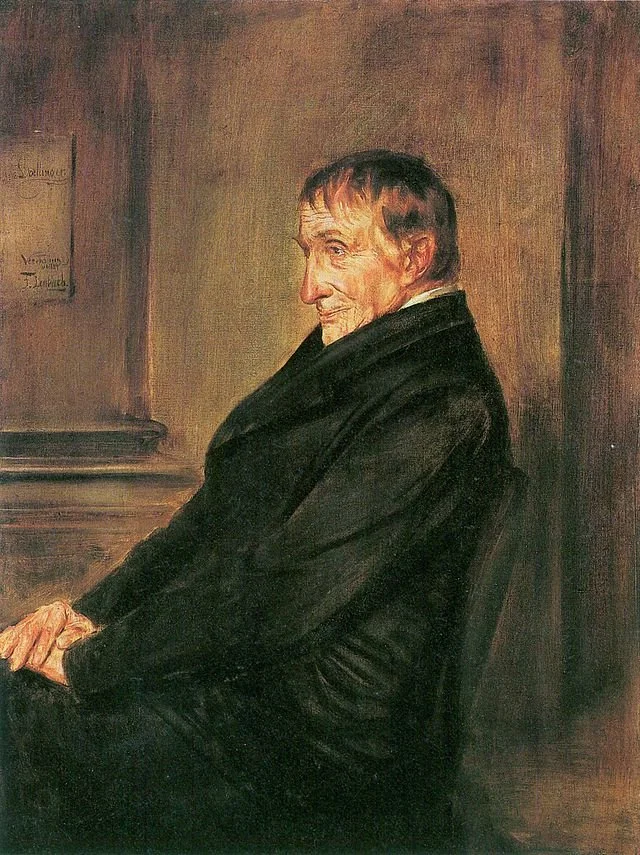
March 28, 1871 - Ignatius von Döllinger Writes Against Infallibility of the Pope
The First Vatican Council (1869–1870) formally defined the doctrine of papal infallibility, teaching that the pope is preserved from error when speaking ex cathedra on matters of faith and morals. The declaration was controversial, even within Catholic circles.
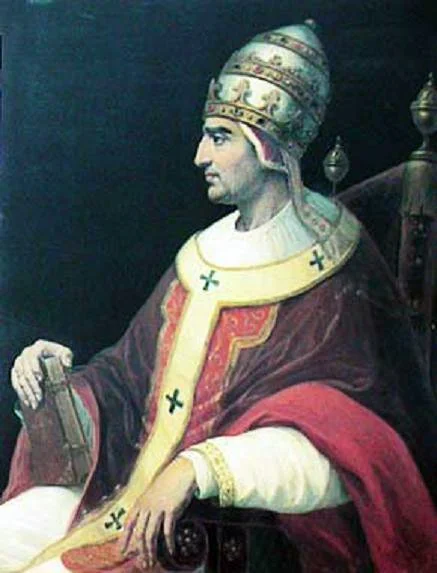
March 27, 1378 - Pope Gregory XI Dies
The late fourteenth century witnessed one of the most confusing crises in church history. For decades, the papacy had resided in Avignon, France, rather than Rome. Political pressures and factional divisions complicated the church’s leadership and credibility.
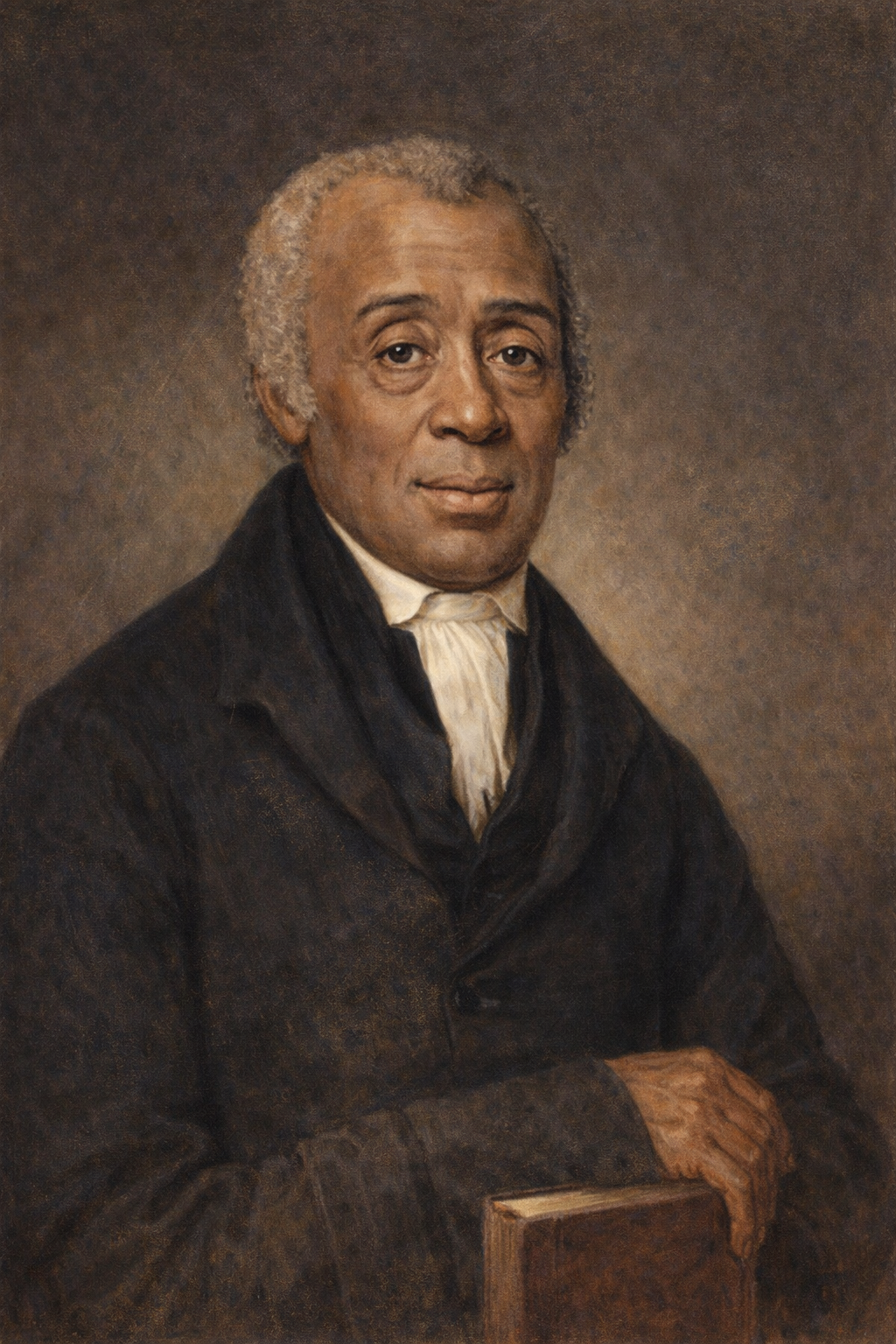
March 26, 1831 - Richard Allen, Founder of AME Church, Dies
Richard Allen, founder and first bishop of the African Methodist Episcopal (AME) Church, died on March 26, 1831. Born into slavery in Delaware in 1760, Allen purchased his freedom and became a Methodist preacher. His ministry unfolded during a period of racial
March 25, 815 - Theodore the Studite Marches on Constantinople
The relationship between church authority and imperial power was tested repeatedly in the early medieval world. Though Pope Leo III crowned Charlemagne Holy Roman Emperor in 800, tensions between East and West remained unresolved—especially over the use of icons in worship.
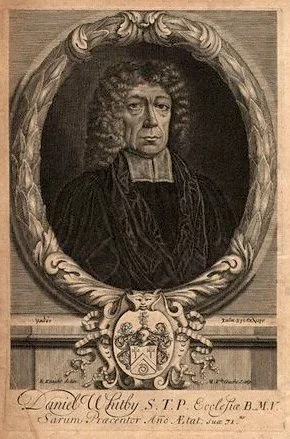
March 24, 1726 - Daniel Whitby Dies
An Anglican clergyman and theologian, Daniel Whitby became one of the most controversial divines of his generation.

March 23, 1532 - Final Anabaptist Drownings
The term “Anabaptist,” meaning “rebaptizer,” was originally used as a label of reproach during the sixteenth-century Reformation. Anabaptists rejected infant baptism, arguing that baptism should follow personal profession of faith. Because they had been baptized as infants within state churches, their adult baptism was considered a second baptism—hence the name.
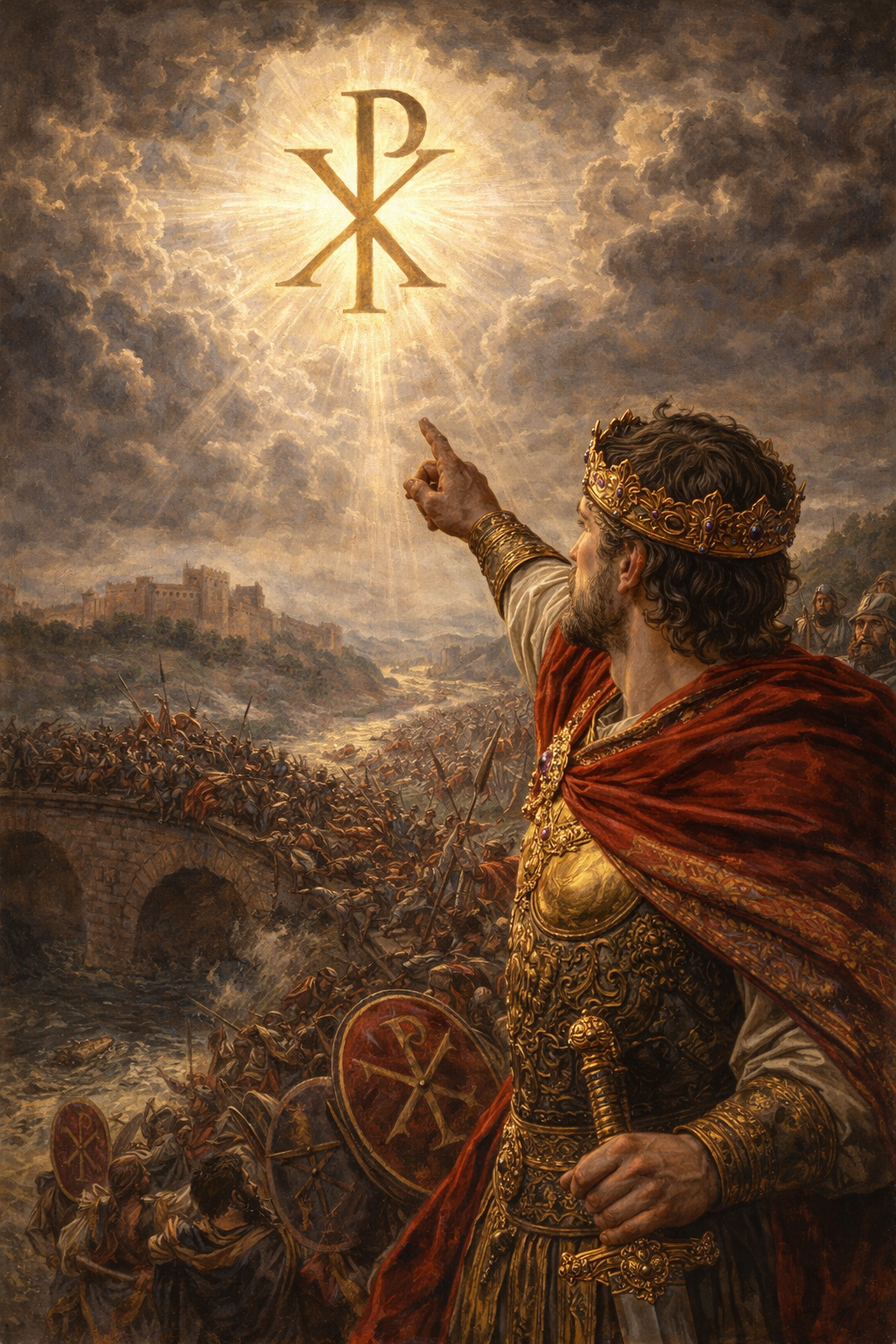
March 22, 337 - Constantine Dies
When Emperor Diocletian issued the Edict Against the Christians in AD 303, it inaugurated one of the most severe persecutions in early church history. Churches were destroyed, Scriptures burned, and believers imprisoned or executed. For many Christians, it appeared that imperial hostility would never end.
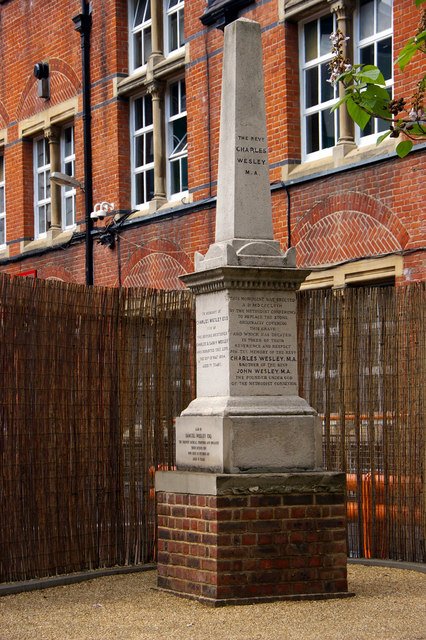
March 21, 1778 - Charles Wesley, Hymn Writer, Dies
Charles Wesley, one of Christianity’s most prolific hymn writers, died on March 21, 1778. Though often overshadowed by his brother John Wesley, the founder of Methodism, Charles’ theological and poetic contributions profoundly shaped evangelical worship.
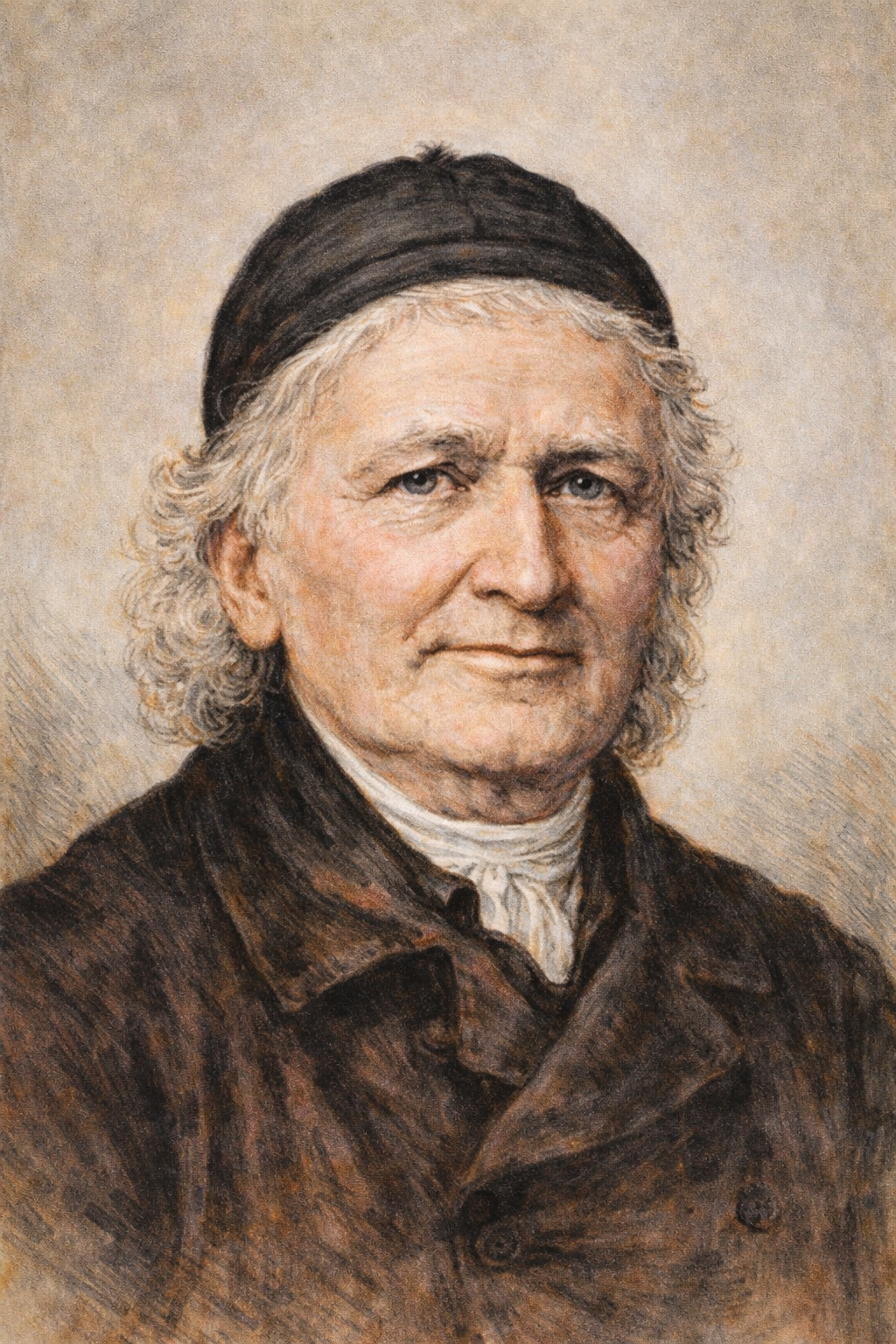
March 20, 1858 - John Gossner Dies
John Gossner, who died on March 20, 1858, was a German-born clergyman whose evangelical convictions placed him at odds with both ecclesiastical and political authorities. Originally ordained in the Roman Catholic Church, Gossner emphasized personal conversion, direct engagement with Scripture, and a vibrant devotional life.
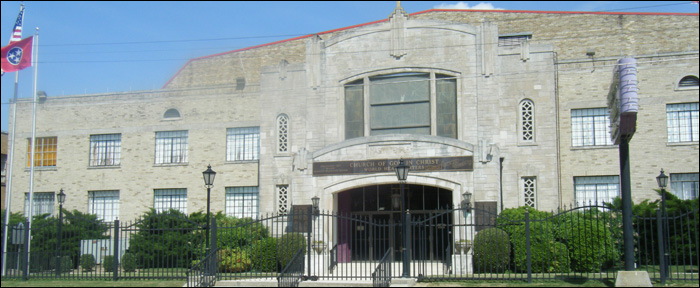
March 19, 1907 - Charles Harrison Mason and the Rise of COGIC
The Church of God in Christ (COGIC) traces its origins to Lexington, Mississippi, in 1897. However, its rapid expansion came after a pivotal moment in 1907. On March 19 of that year, founder Charles Harrison Mason attended the Azusa Street Revival in Los Angeles, where he reported experiencing the baptism of the Holy Spirit.
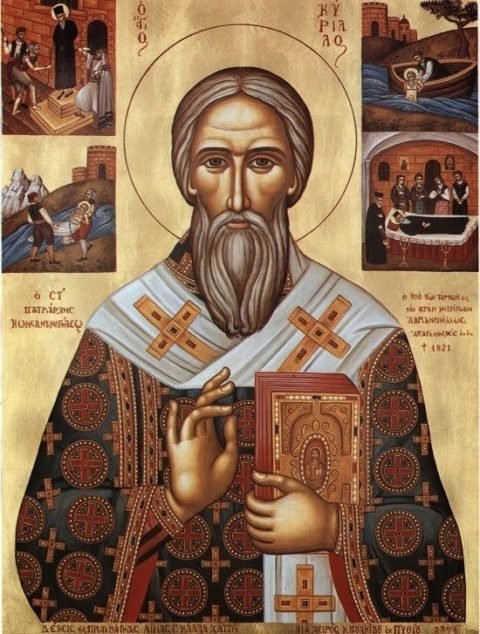
March 18, 386 - Cyril of Jerusalem Martyred
Cyril of Jerusalem was a fourth-century bishop and theologian best known for his Catechetical Lectures, instructional teachings delivered to those preparing for baptism. These lectures became foundational for understanding early Christian doctrine, especially regarding the Nicene Creed and the Eucharist.

March 17, 461 - St. Patrick Dies
Patrick, who died on March 17, 461, is remembered as the missionary who brought Christianity to Ireland. Though widely known as “Saint Patrick,” he was never formally canonized through the later medieval process used by the Roman Catholic Church. His recognition as a saint comes from early Christian tradition rather than a formal Vatican declaration.
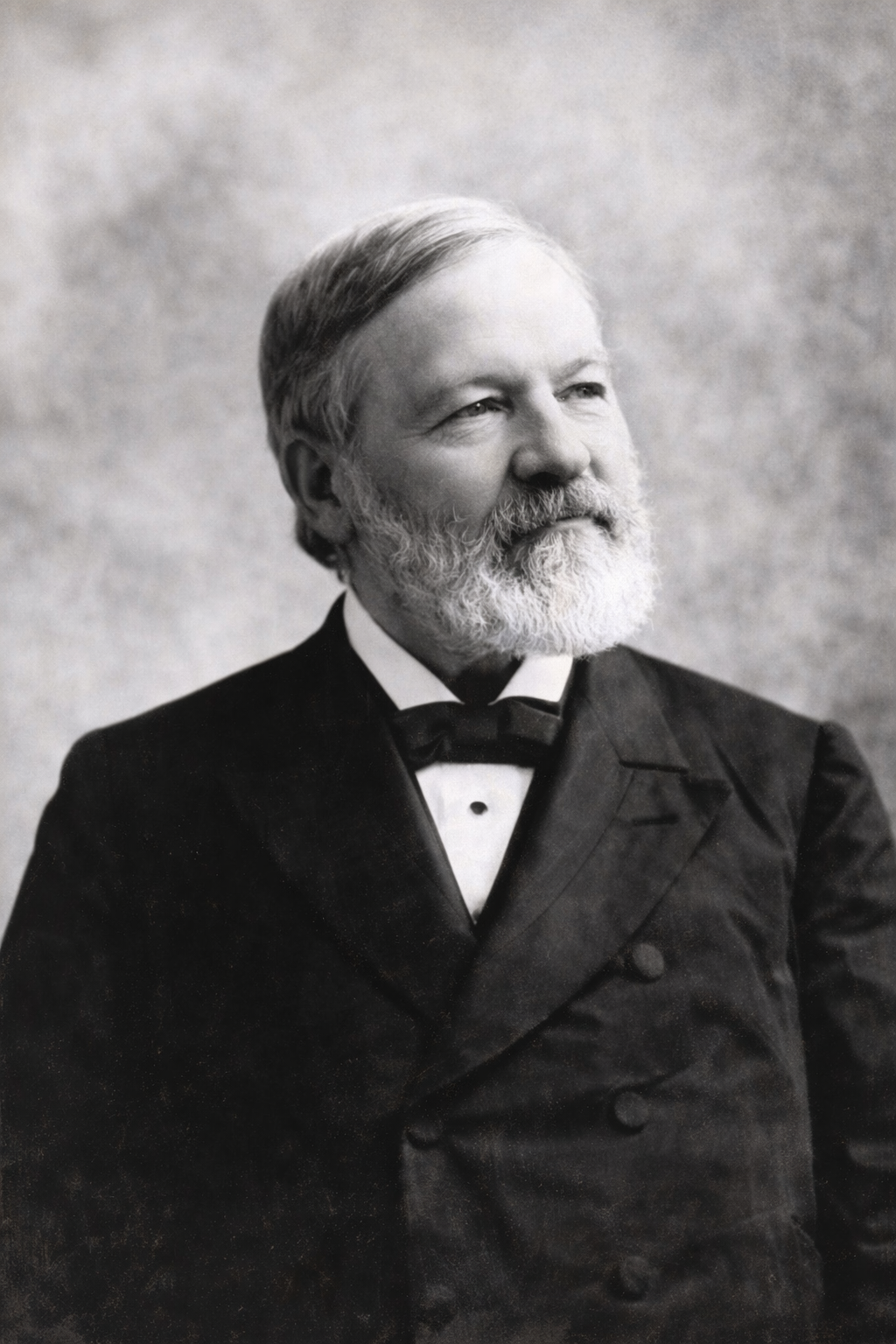
March 16, 1895 - John Albert Broadus Dies
John Albert Broadus, often called the “Prince of the Pulpit,” died on March 16, 1895. A leading figure in nineteenth-century Southern Baptist life, Broadus combined pastoral ministry, academic leadership, and denominational influence.
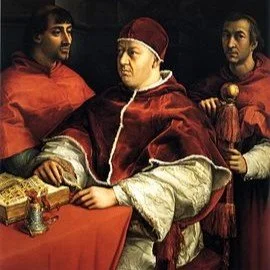
March 15, 1517 - Pope Leo X Approves the Sale of Indulgences
On March 15, 1517, Pope Leo X formally authorized the sale of indulgences to help finance the costly construction of St. Peter’s Basilica in Rome.
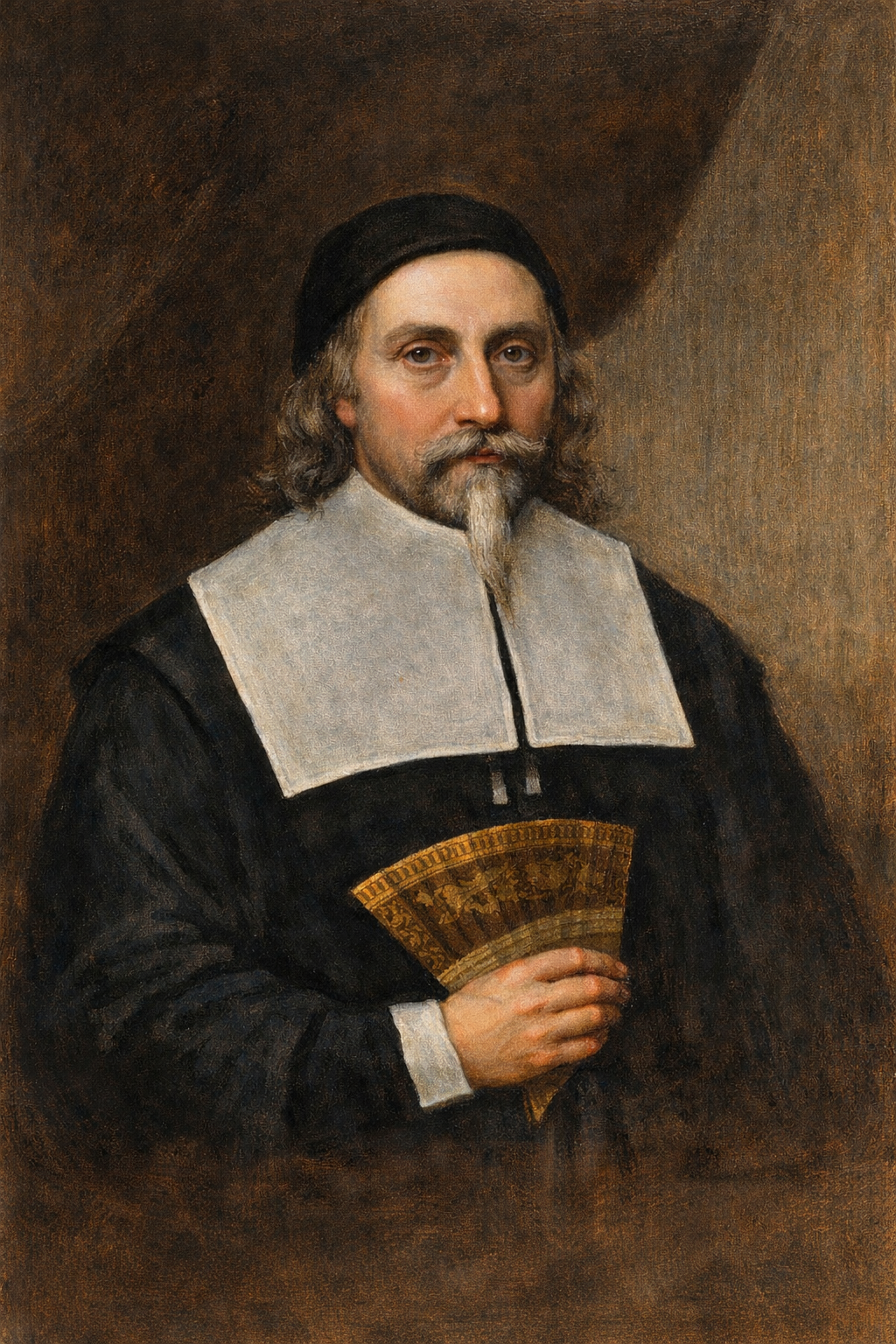
March 14, 1661 - William Leddra Hanged as a Quaker
In seventeenth-century Massachusetts, Puritan leaders sought to preserve religious uniformity within the colony. Quakers, who emphasized the “Inner Light” and rejected formal church rituals, were viewed as dangerous dissenters. They were fined, imprisoned, branded, and banished.
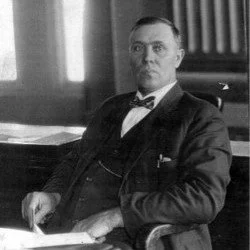
March 13, 1925 - The "Butler Bill" is Passed
On March 13, 1925, Tennessee enacted the Butler Act, legislation prohibiting public school teachers from denying the biblical account of creation by teaching human evolution.