
Christian History Today
Resources for your journey through the exploration of Christian History.
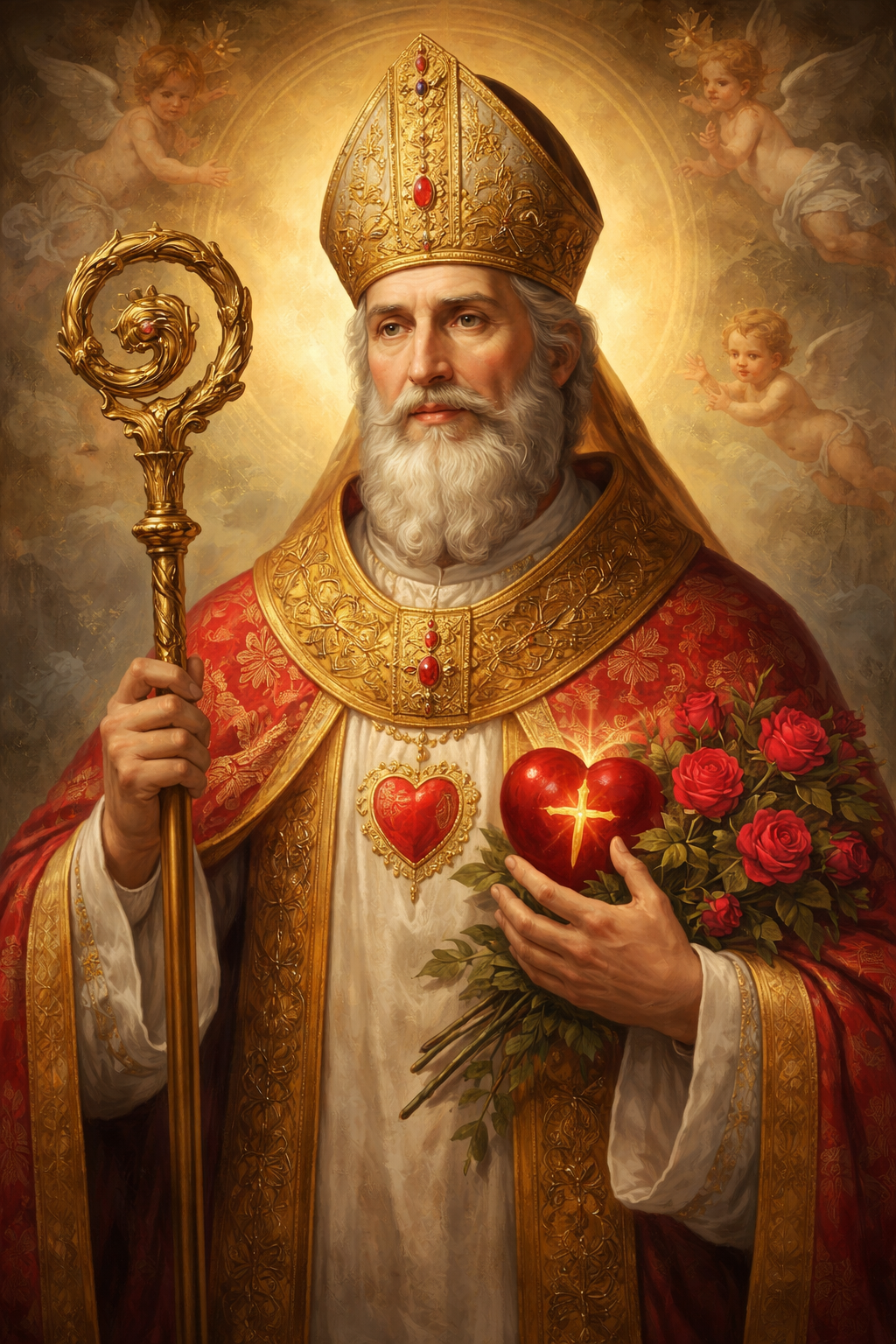
February 14, 278 - St. Valentine Beheaded
The story of St. Valentine has remained an enigma throughout history as there is not a clearly documented individual by that name. Instead, he seems to be the product of medieval interpretation, later memory, and intersecting stories.
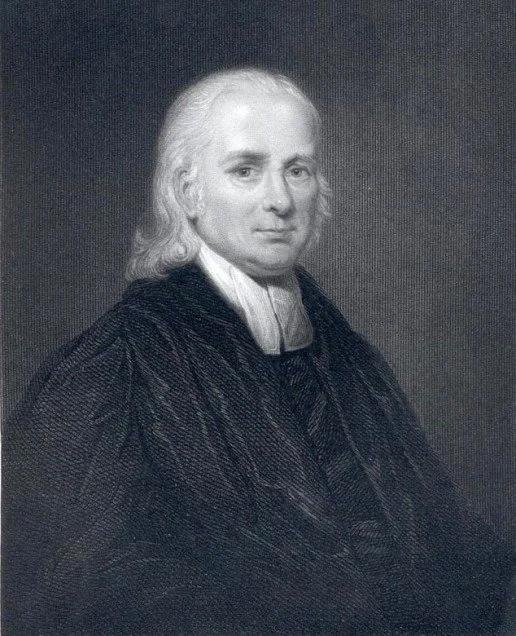
February 13, 1793 - Christian Schwartz Dies
William Carey is perhaps one of the most well known missionaries for his missionary work in India; however, he was not the only influential figure in the history of Christian missions in India. Christian Schwartz, a Lutheran missionary from Prussia, devoted his life to spreading Christianity in India during the eighteenth century.
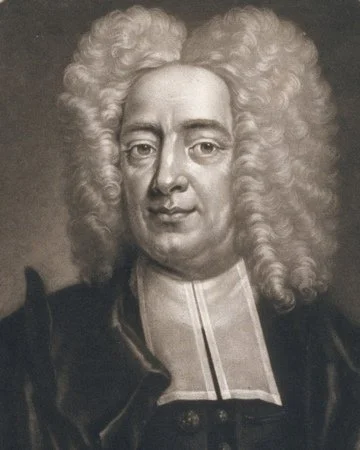
February 12, 1663 - Cotton Mather Born
Born on February 12, 1663, Cotton Mather was one of the most influential authors of the 1600s. A prominent figure in early American religious history, he is best known for his writings on the Salem Witch Trials.
February 11, 1482 - Tomas de Torquemada Named Inquisitioner
Christian history, while rooted in Christ’s teachings, has been marred by the fallibility of mankind. The Spanish inquisition marked one of the darkest periods of Christian history.
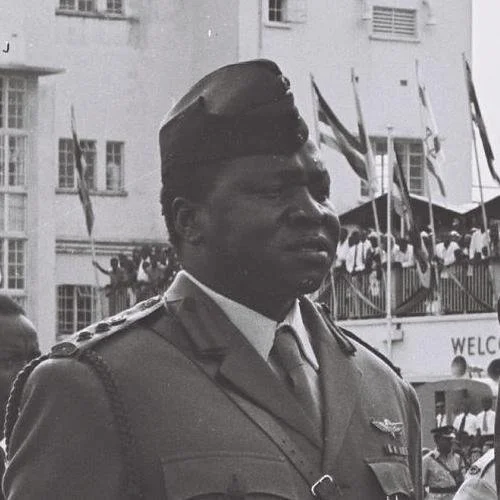
February 10, 1973 - Idi Amin Executes Three Christians
Widely remembered for his violent regime and severe persecution of Christians during the 1970s, Idi Amin, the dictator of Uganda, forced approximately 3,000 Ugandans to gather in a stadium in Kabale, Uganda.
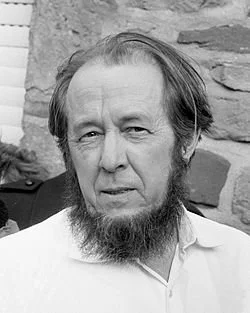
February 9, 1943 - Aleksandr Solzhenitsyn Arrested
Aleksandr Solzhenitsyn was one of the most influential Christian writers of the twentieth century, and he became a fierce critic of the Soviet government and its brutal repression of the Russian people.

February 8, 1587 - Mary, Queen of Scotland, is Beheaded
As the death of Queen Elizabeth I of England inevitably drew near in the late sixteenth century, uncertainty blossomed over England as it questioned whether it would remain a Protestant nation or revert back to Roman Catholicism.
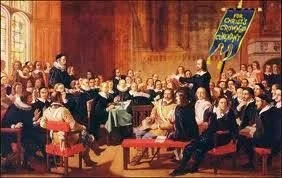
February 7, 1649 - Parliament Ratifies Westminster Confession of Faith
February 7, 1649 marks one of the most pivotal days in Protestant church history. On this day, the British Parliament formally ratified the Westminster Confession of Faith.
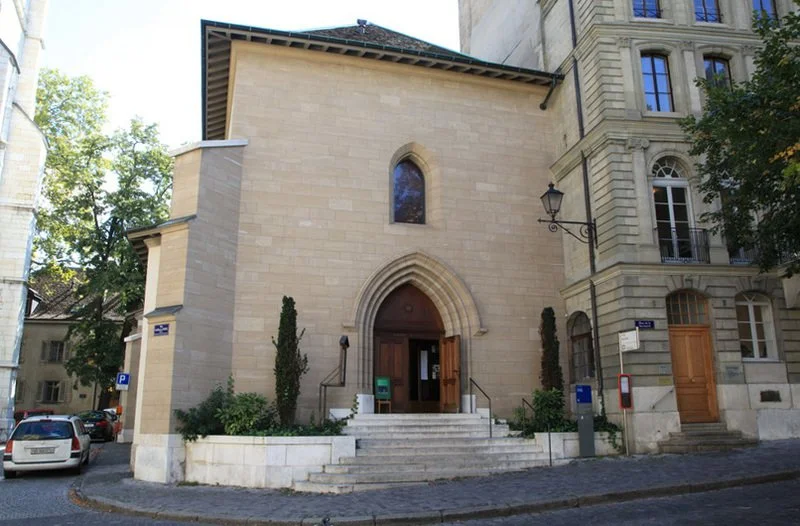
February 6, 1564 - John Calvin Preaches His Last Sermon
John Calvin is one of the most influential preachers and theologians in church history. A central figure in the Protestant Reformation, he delivered his final sermon on February 6, 1564, in Geneva, Switzerland.
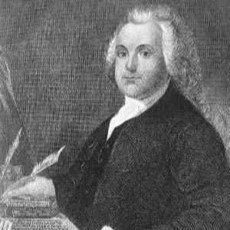
February 5, 1631 - Roger Williams Arrives in Massachusetts
Roger Williams first arrived in the Massachusetts Bay Colony on February 5, 1631 in search of a place where he could freely practice his Christian faith. The colony, however, did not deliver the true religious liberty he had hoped to secure, especially pertaining to the close union of church and state.
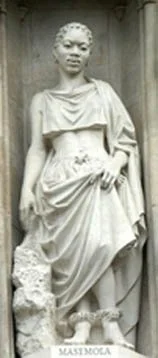
February 4, 1928 - Manche Masemola Murdered for Her Faith in Christ
Yesterday on Christian History Today, we discussed that South Africa did not appoint its first black Anglican Bishop until 1985, which marked a major breakthrough for the nation. However, just sixty years prior, the religious landscape of South Africa was vastly different.
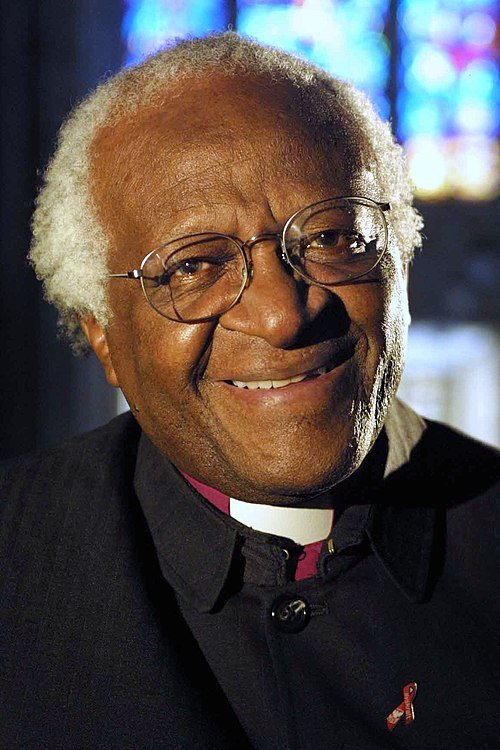
February 3, 1985 - Desmond Mpilo Tutu Becomes First Black Anglican Bishop of South Africa
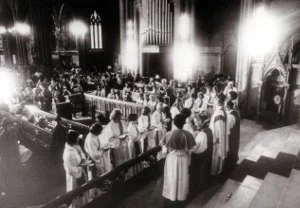
On February 3, 1985, Desmond Mpilo Tutu became the first black Anglican bishop of Johannesburg, South Africa, which marked a historic milestone in South African church history during the final years of apartheid in South Africa.
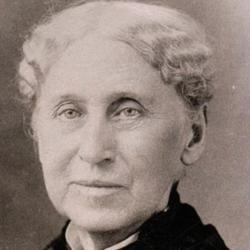
February 2, 1900 - Annie Wittenmyer, WCTU President, Dies
February 2, 1900 marks the death of Annie Wittenmyer, the first president of the Woman’s Christian Temperance Union (WCTU), one of the most powerful Christian social reform movements in American history.
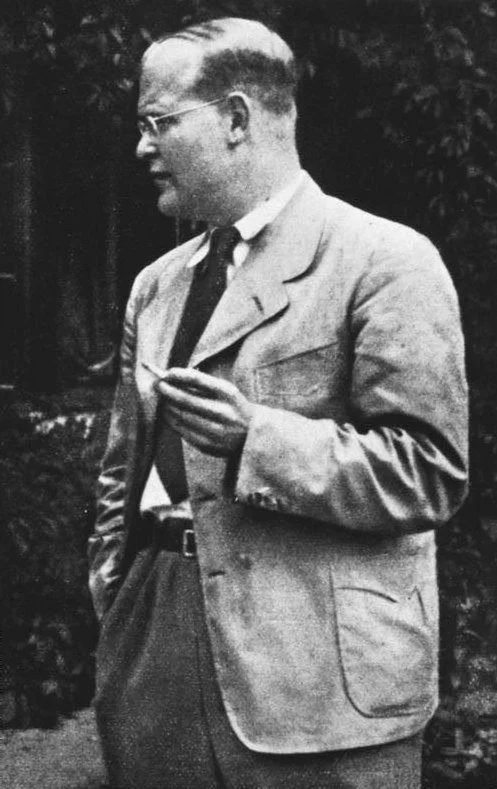
February 1, 1933 - Dietrich Bonhoeffer Issues Radio Message against Hitler
As Adolf Hitler and the Nazi regime began to consolidate power in Germany, few individuals were willing to publicly renounce the growing dictatorship. However, one Lutheran pastor, Dietrich Bonhoeffer, courageously delivered a national radio address against the Nazi regime on February 1, 1933.