

Christian History Today
Resources for your journey through the exploration of Christian History.
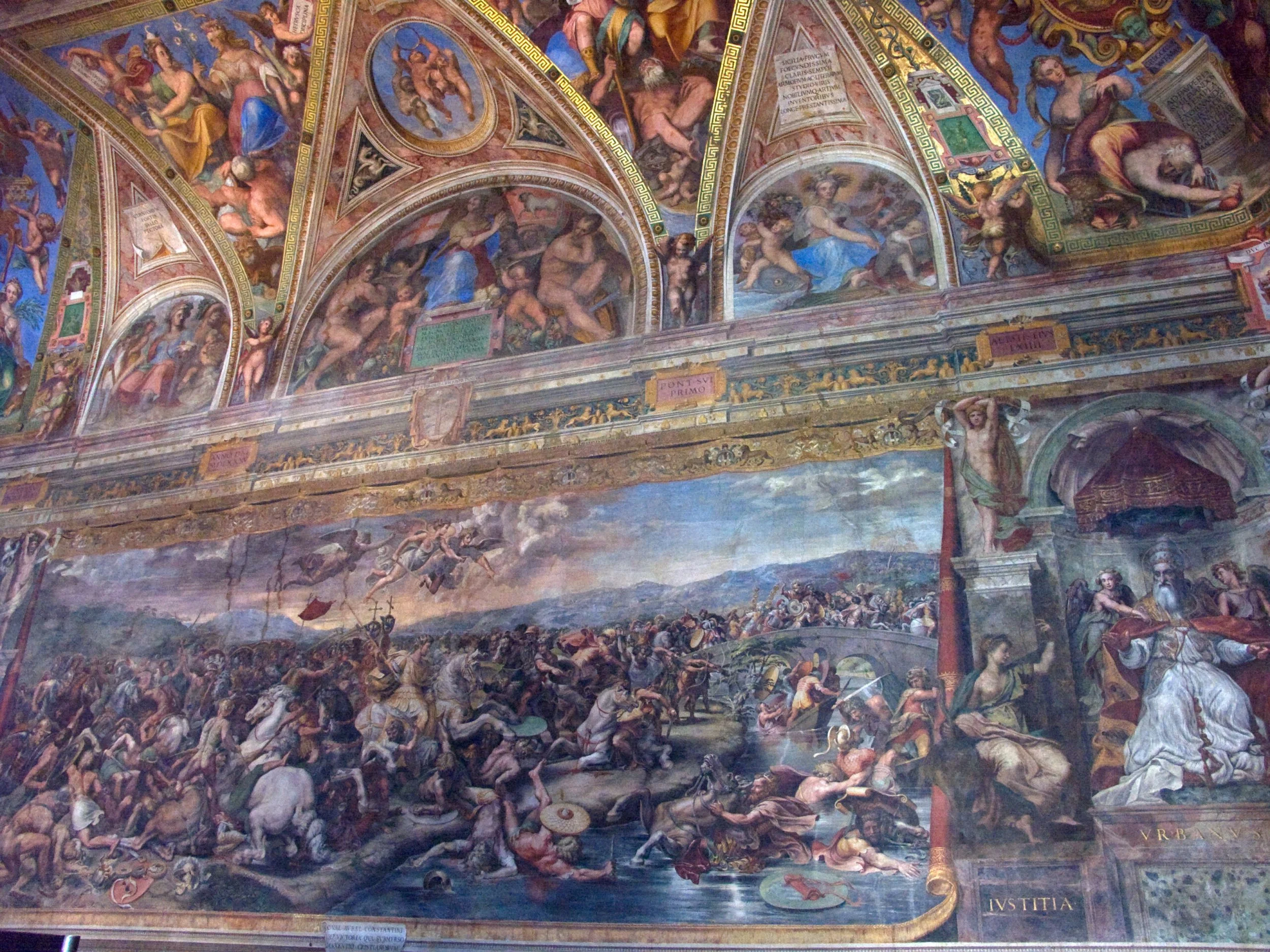
May 22, 337 - Roman Emperor Constantine Dies
Constantine the Great ruled from 306-337 AD, and was considered the first “Christian Roman Emperor” as he made it legal to practice Chrisitanity in the Roman Empire. Christianity was legalized through the Edict of Milan, granting religious tolerance across the empire.
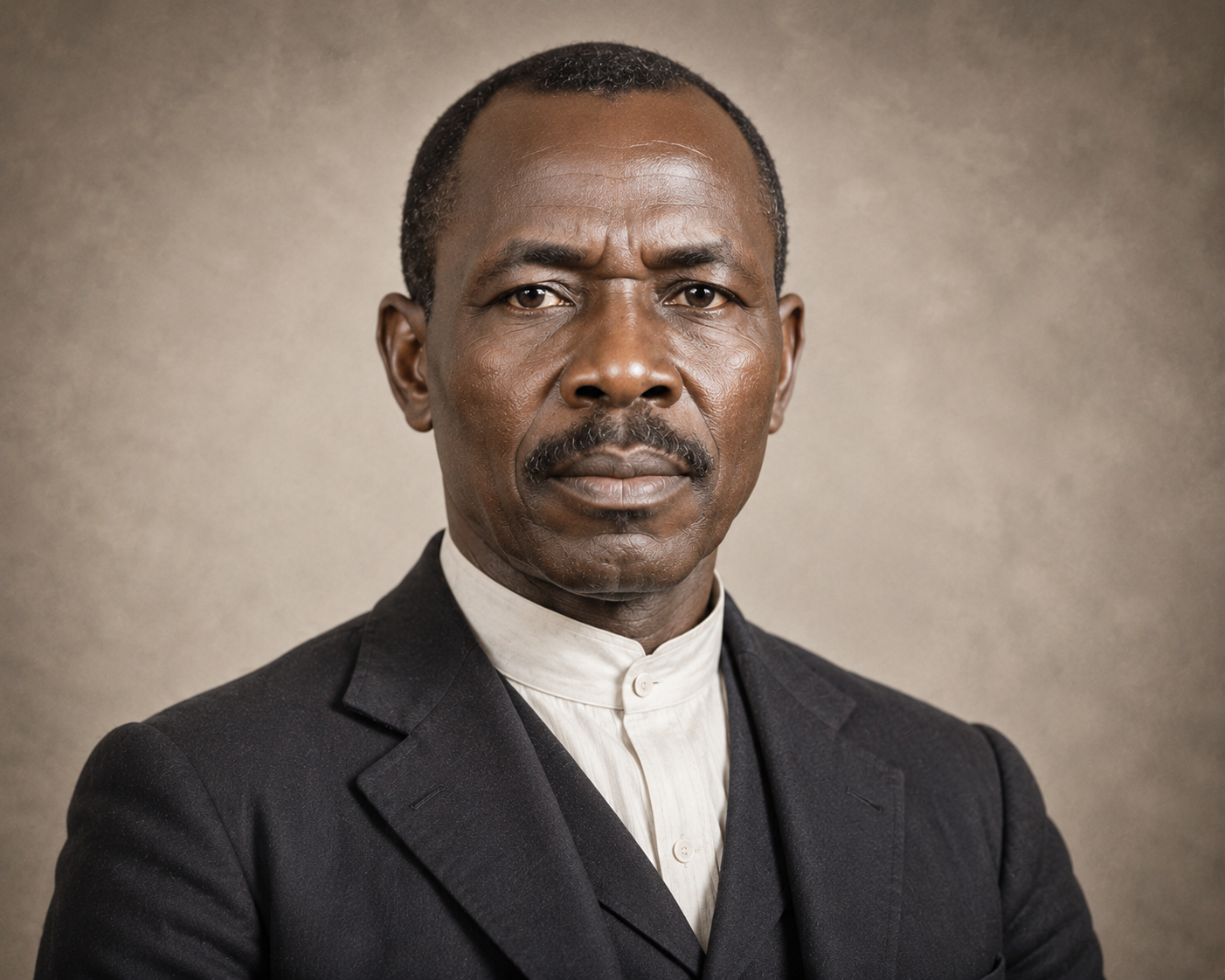
May 21, 1921 - Jeremiah Mahalu Kisula Baptized
Jeremiah Mahalu Kisula was one of the pioneering figures in transition from mission-led churches to indigenous leadership in Africa. Later to become the first bishop of the Africa Inland Church of Tanzania (AICT), which developed from the Africa Inland Mission, he was born in Sima, Mwanza.
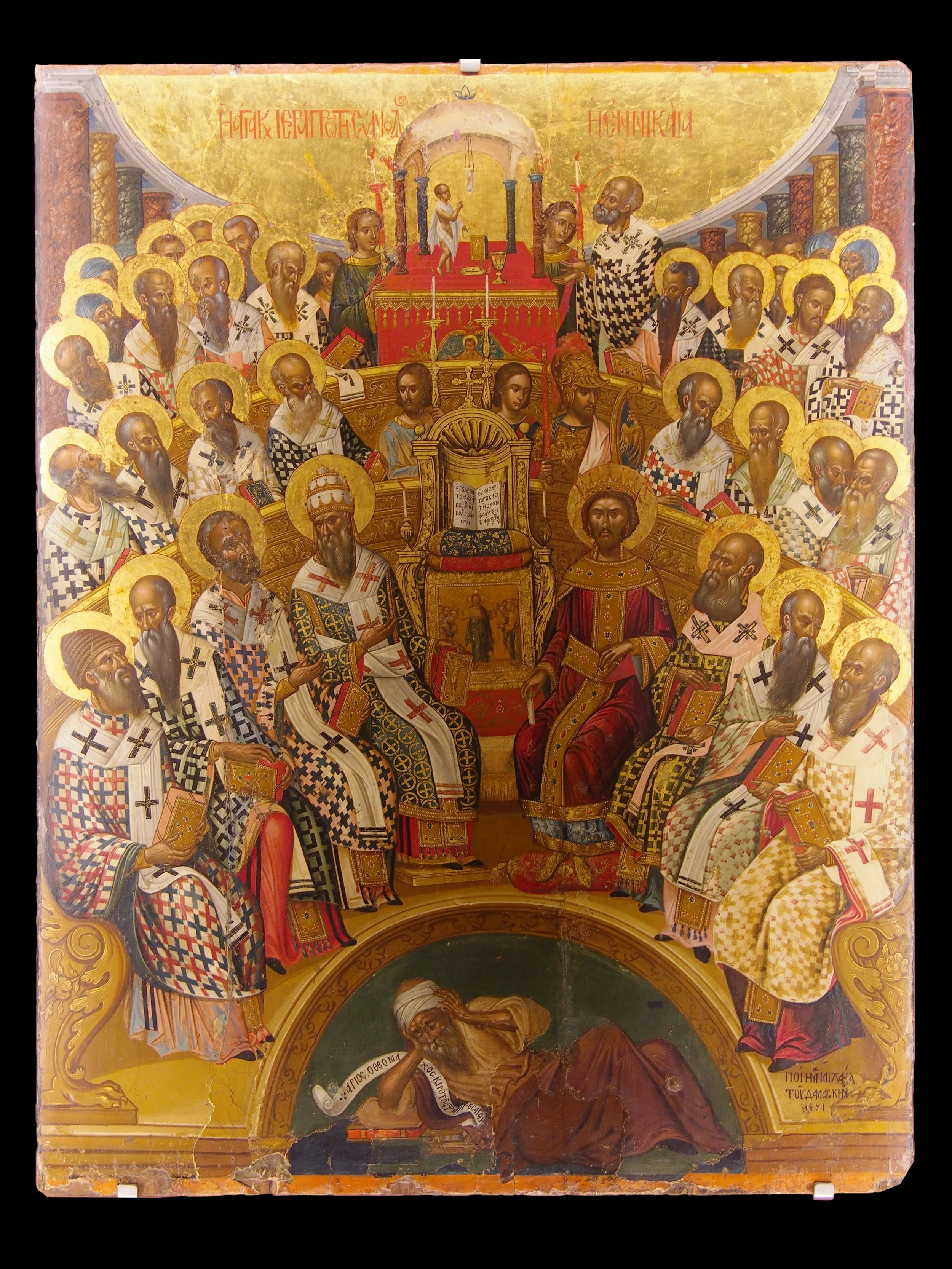
May 20, 325 - Council of Nicaea Begins
The Council of Nicea, the first ecumenical council, gathered together bishops from across the Roman Empire. This was the first meeting of delegates that represented most areas of the Christian world. Constantine the Great called the council on May 20, 325 to settle divisions that had blossomed as a result of the Arian controversy.
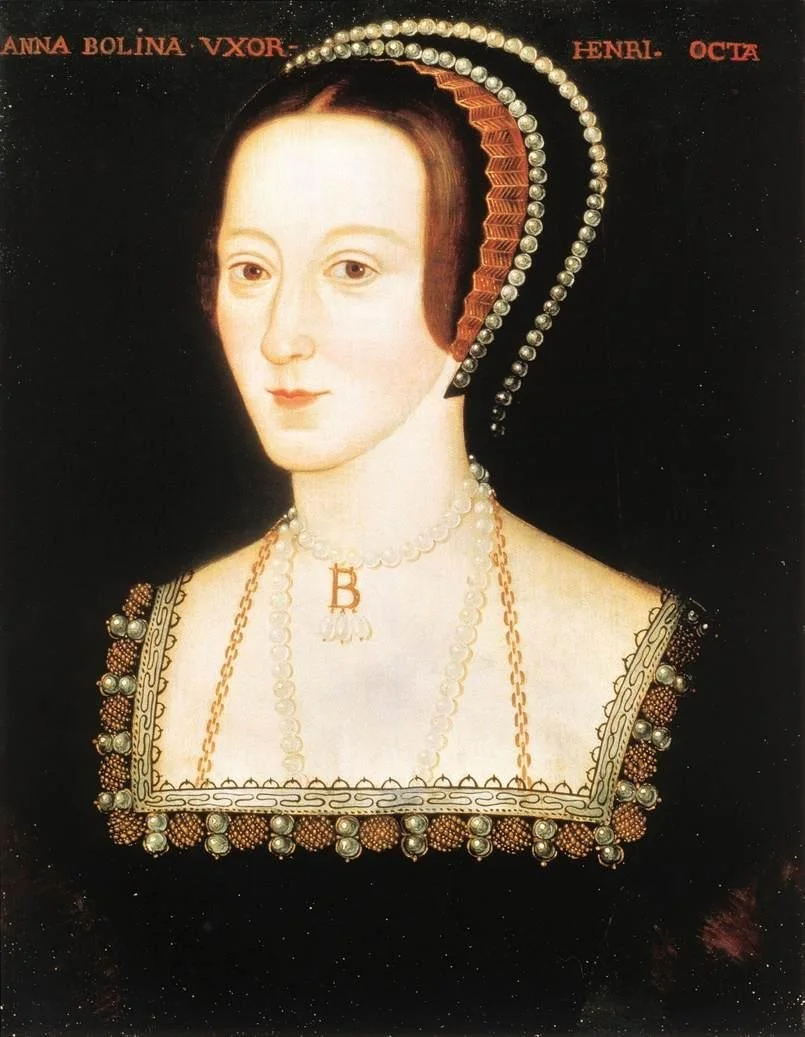
May 19, 1536 - Anne Boleyn, Mother of Queen Elizabeth I, Beheaded
King Henry VIII is commonly known for forming the Church of England so that he could be divorced from his wife Catherine. Many do not know, however, that he originally defended Catholicism and was titled “Defender of the Faith” by the Pope.
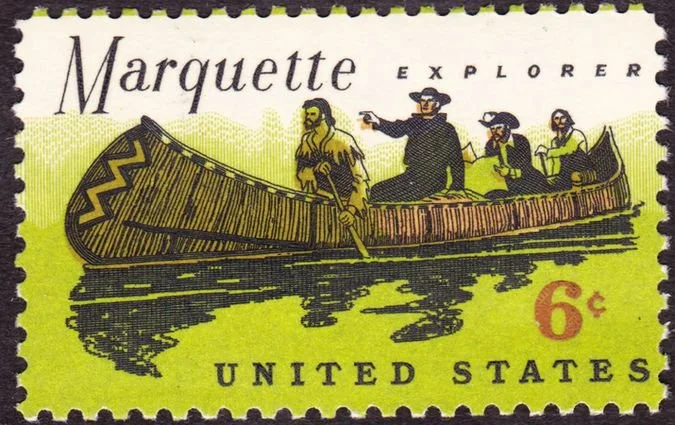
May 18, 1675 - Jacques Marquette, Explorer, Dies
The first European to explore the northern Mississippi River and the upper Midwest of what was to become the United States was Father Jacques Marquette, a Jesuit priest. He partnered with Louis Jolliet in their 1673 expedition to map the Mississippi River.
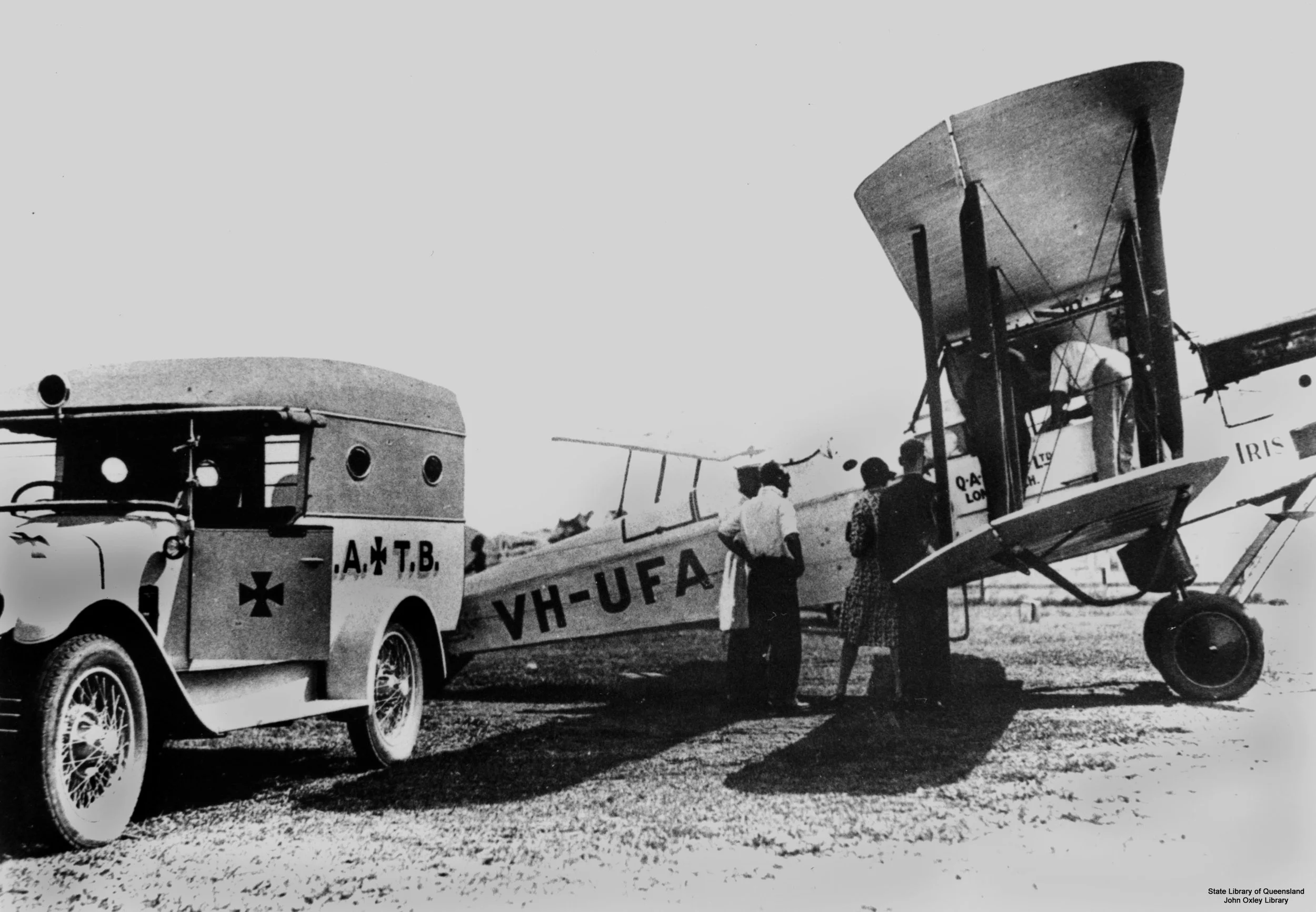
May 17, 1928 - Australian Doctor Flying Service Created
In the early 1900s, the people of the Australian outback suffered from a lack of medical care. Christian layman John Flynn, often called the “Flynn of the Inland,” developed a heart for these people after hearing of their appalling circumstances.
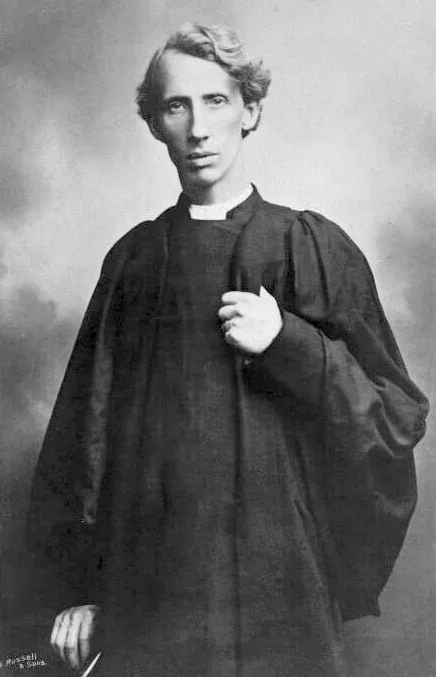
May 16, 1945 - G. Campbell Morgan Dies
As a major figure in 19th century revivalism, D.L. Moody’s preaching tours in England had a resounding impact. During his first visit to England, he met a young boy named Campbell Morgan who would become one of the greatest expository preachers of his time.
May 15, 1984 - Francis Schaeffer Dies
A prominent figure in 20th century Christian apologetics, Francis Schaeffer is frequently referred to as one of the greatest Christian intellectuals of all time.
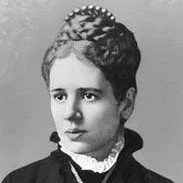
May 14, 1888 - First Meeting of the Women's Missionary Union
Annie Armstrong was a key advocate for organized missions support, especially among women in local churches. When she and other women within the Southern Baptist denomination wanted to support mission work from a church-wide perspective, the Southern Baptist Convention leaders sent delegates from participating states to organize this group.
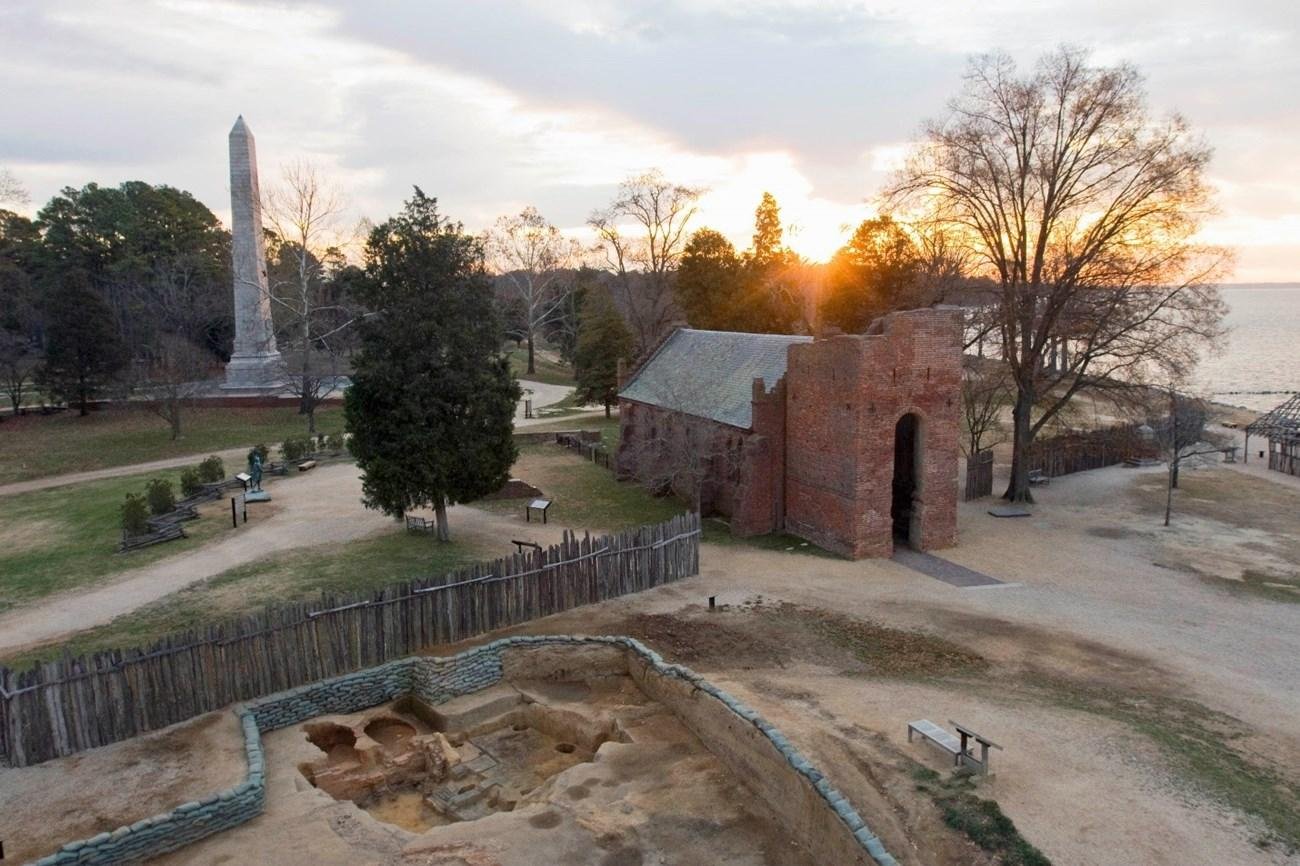
May 13, 1607 - First Prayer Service in Jamestown, VA Settlement
The Jamestown settlement was the first permanent English settlement in North America. On May 13, 1607, Jamestown settlers attended their first prayer service in Virginia, having arrived just weeks before.
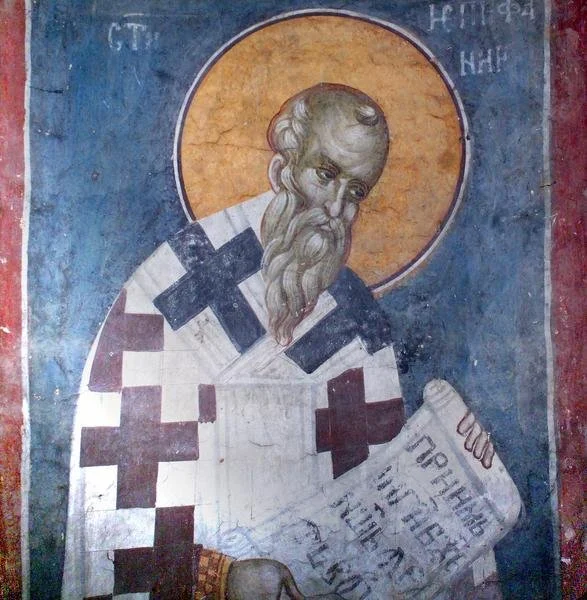
May 12, 403 - Saint Epiphanius Buried
Epiphanius of Salamis served as bishop in Salamis, Cyprus during a time of intense doctrinal conflict following the council of Nicaea. He converted to Christianity after he witnessed a monk’s act of compassion.
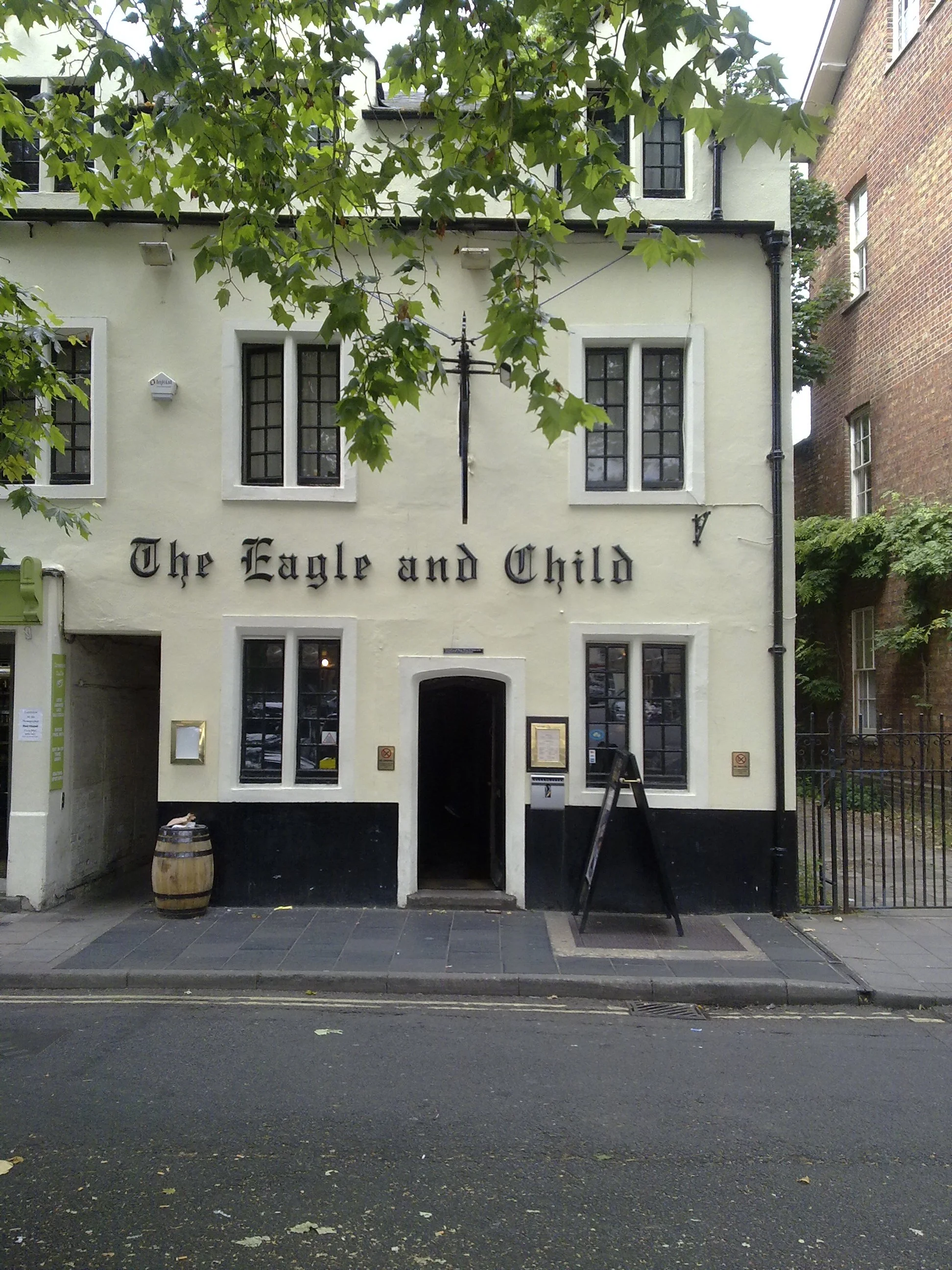
May 11, 1926 - J. R. R. Tolkien and C. S. Lewis Meet
On May 11, 1926, two of the most influential Christian writers of the 20th century, J.R.R. Tolkien and C.S. Lewis, met at The Eagle and Child Pub, also known as The Bird and Baby.
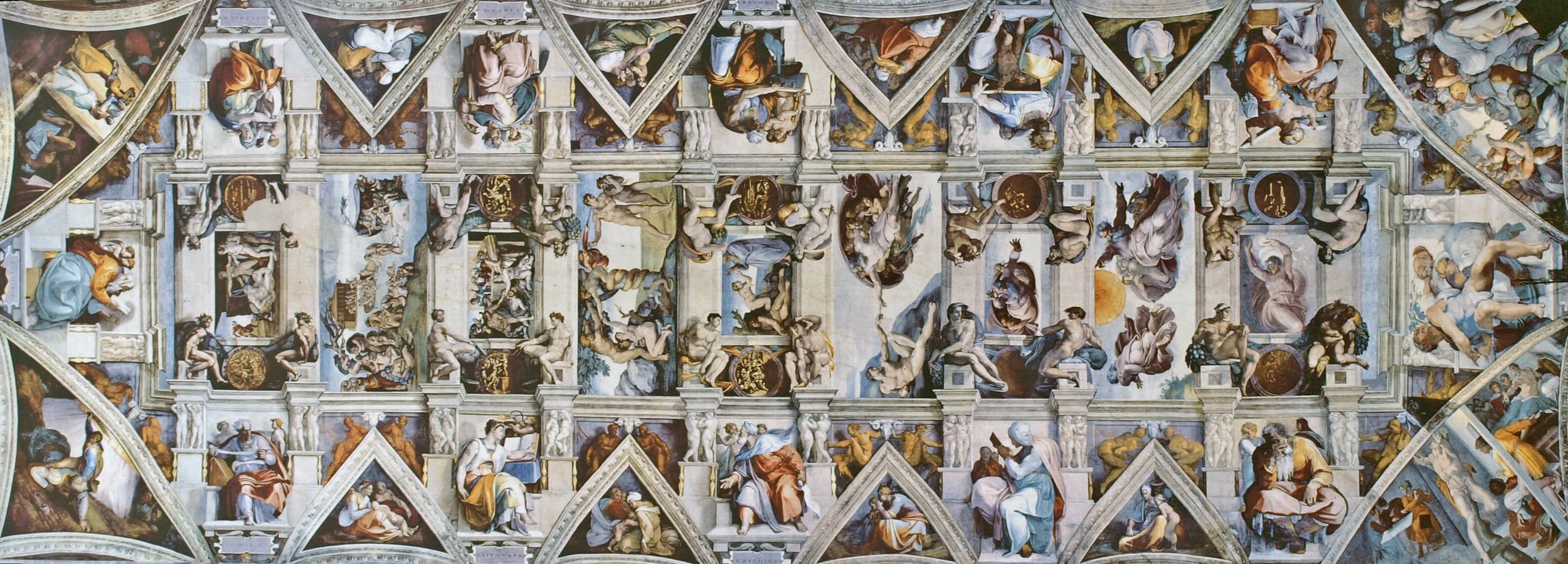
May 10, 1508 - Pope Julius II Orders Completion of the Sistine Chapel
Within the Vatican, near St. Peter’s Basilica, stands the Sistine Chapel, the very spot where a new pope is selected. Michelangelo, sculptor, painter, and architect, painted the ceilings, which are recognized as some of the greatest works of art in the world.
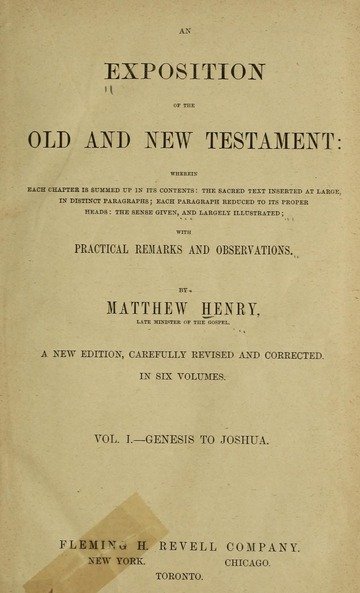
May 9, 1687 - Matthew Henry Ordained
As one of the most influential Bible Commentators in Chrisitan history, Matthew Henry was one of the many men who desired to be a priest in England during the period following the Act of Uniformity that restricted non-conformist ministers.

May 8, 1603 - Jacob Arminius Appointed Professor of Theology
Possibly one of the most famous theologians, John Calvin established the theological idea of predestination, raising doctrinal discussions on the topic of man’s free will to choose salvation.
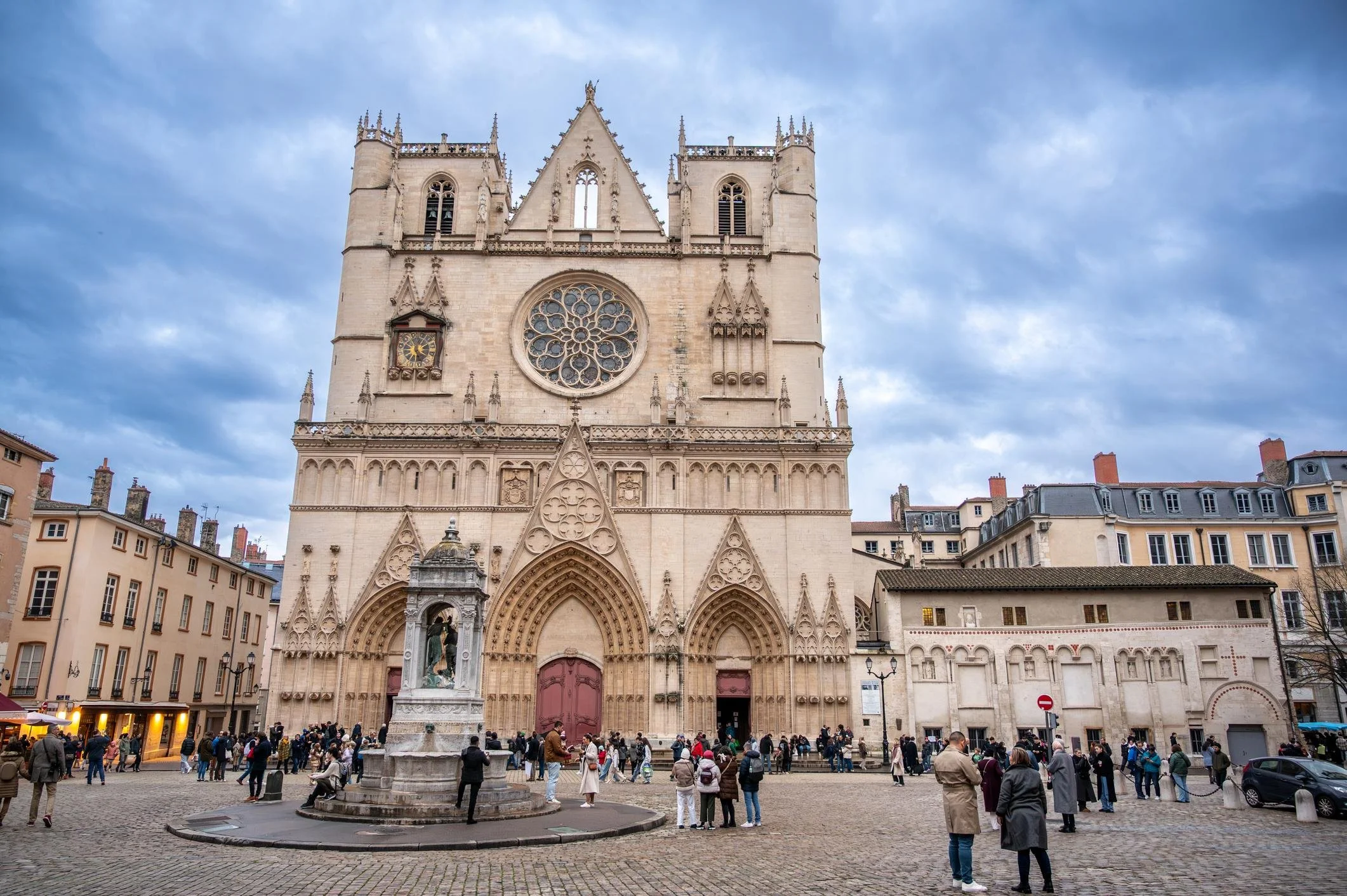
May 7, 1274 - Second Council of Lyons
The Great Schism was one of the most influential church splits in history- the formal division between the Roman Catholic and Eastern Orthodox Churches. The split took place in 1095 following centuries of tension from cultural, political, and theological differences.

May 6, 1536 - Great Bible Mandate Issued
On May 6, 1536, King Henry VIII, the monarch who initiated the English Reformation and broke away from the Roman Catholic Church, mandated that a Bible be chained to every church in England in order to prevent theft. This led to the birth of the term “chained Bible.”

May 5, 533 - Fifth Ecumenical Council Convenes
May 5, 533 held the Fifth Ecumencial Council, also known as the Second Council of Constantinople. It was one of the seven Ecumencial councils recognized by many Christian traditions, and it was held with the purpose of doctrinal clarification.

May 4, 1814 - Thomas Coke Dies at Sea
The first bishop of the Methodist Church, Thomas Coke was an early leader in global Methodism and missions. Both an attorney and the mayor of Brecon, Wales, he was ordained by John Wesley and was a key agent in spreading Methodism beyond England.

May 3, 1679 - James Sharp Murdered
James Sharp was a key and controversial religious leader in 17th-century Scotland. Following the Restoration of the monarchy under Charles II, he was named archbishop of St. Andrews, making him the head of the Church of England in Scotland and reimposing episcopal church governance.