

Christian History Today
Resources for your journey through the exploration of Christian History.
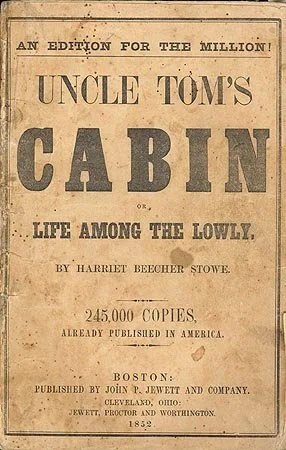
June 5, 1851 - Uncle Tom's Cabin Published
Few books in American history have shaped public opinion as dramatically as Uncle Tom’s Cabin by Harriet Beecher Stowe. Appearing during a period of growing national tension over slavery, the novel became far more than a literary success. It became a moral and political force that helped intensify the national conversation that would eventually lead to the Civil War.
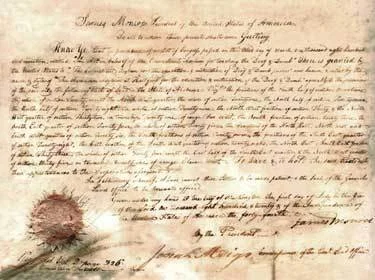
June 4, 1639 - Fundamental Orders of New Haven Created
Long before the United States Constitution was written, many early colonial settlements in North America were already wrestling with a major question: what should a Christian society actually look like in practice? Some colonies emphasized commerce, others survival, and others religious liberty. In seventeenth-century New England, however, certain communities attempted to build civil governments directly shaped by their understanding of Scripture.
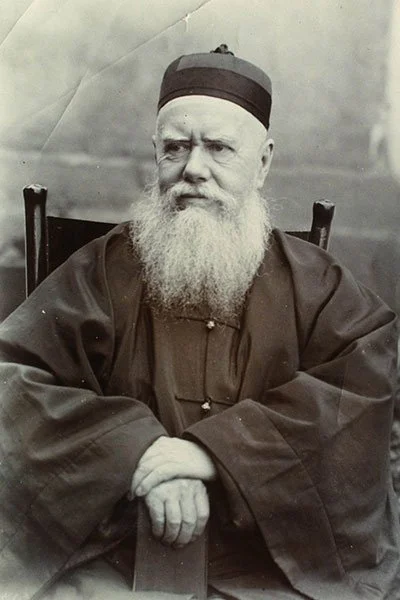
June 3, 1905 - Hudson Taylor Dies
The nineteenth century saw an enormous surge of Protestant missionary activity across Asia, and today’s figure follows naturally after yesterday’s post on George Leslie Mackay. While Mackay ministered in Taiwan through the Presbyterian tradition, Hudson Taylor became one of the best-known missionaries to China through an entirely different Protestant missionary movement. Together, their stories reveal how deeply many Christians of the era were burdened for regions of Asia where millions had never heard the Gospel.
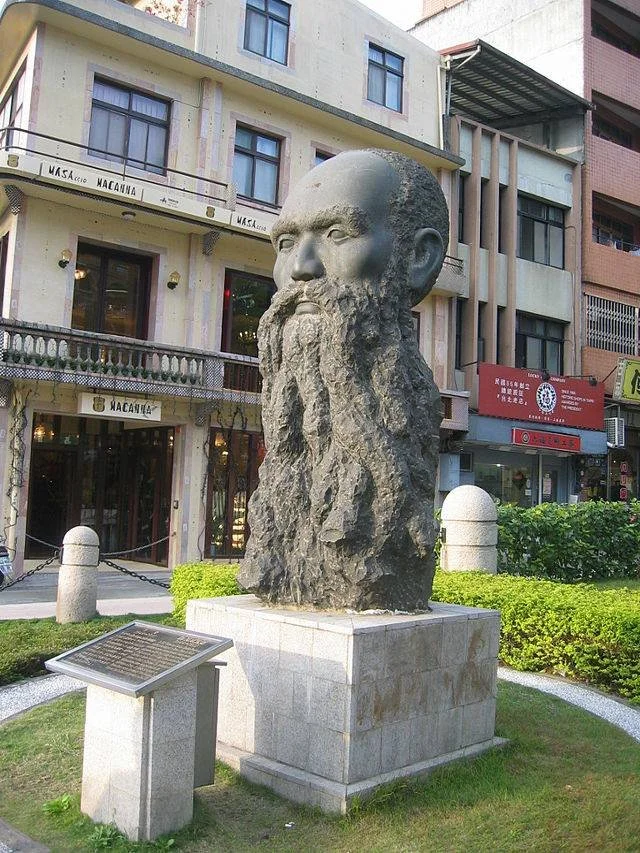
June 2, 1901 - George Mackay Dies
On June 2, 1901, George Leslie Mackay died after a lifetime of missionary work in Taiwan that left a lasting impact on both the church and Taiwanese society. Sent by the Canadian Presbyterian Church in the nineteenth century, Mackay became one of the most influential Protestant missionaries in East Asia.
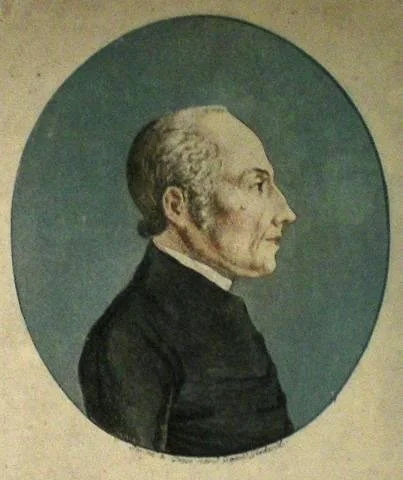
June 1, 1826 - John F. Oberlin Dies
On June 1, 1826, John Frederick Oberlin died after decades of ministry among the poor and isolated communities of the Alsace-Lorraine region of France. Though remembered as a pastor, Oberlin’s work extended far beyond the walls of the church. Serving in a rugged mountain valley with limited resources and widespread poverty, he believed Christian ministry required both spiritual care and practical action.
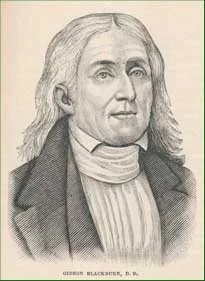
May 31, 1803 - Gideon Blackburn Appointed as First Presbyterian Missionary to Native Americans
On May 31, 1803, during a time of rapid westward expansion in the United States, Gideon Blackburn was appointed by the Presbyterian Church as their first missionary to the American Indians.
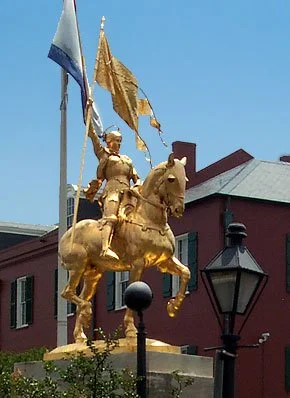
May 30, 1431 - Joan of Arc Burned at the Stake
The Hundred Years War was a political and religious conflict lasting from 1337-1453. It was fought over control of France. Joan of Arc, a famous martyr, became known for helping to lift the siege of Orléans after claiming that the Archangel Michael as well as saints like Catherine and Margaret. told her to fight the English.
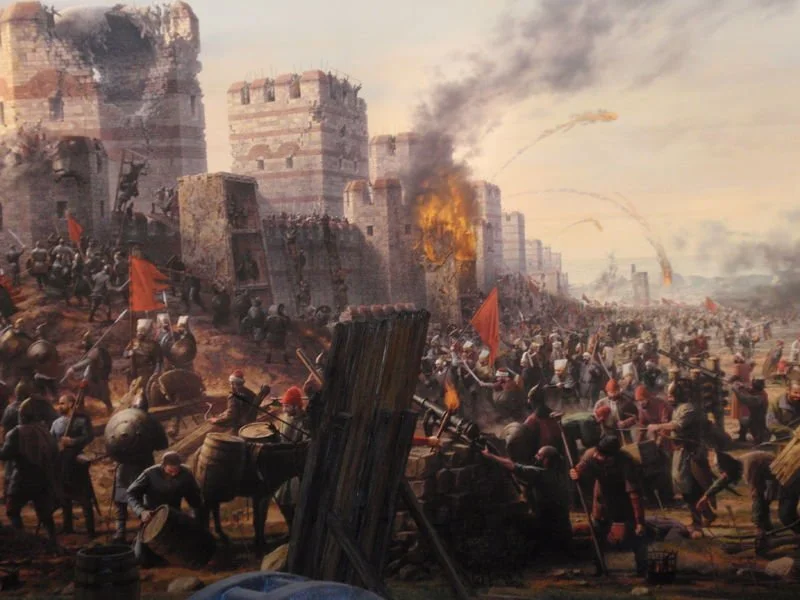
May 29, 1453 - Constantinople Falls to the Ottoman Turks
With the fall of Constantinople, marking the end of the Byzantine Empire, came a shift in political and religious power. Until that point, Constantinople had been a hub of Eastern Orthodox Christianity. Following the fall, many Greek scholars fled to the west, which brought many ancient manuscripts and knowledge, helping to fuel the Renaissance.
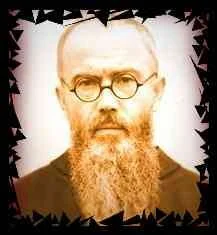
May 28, 1941 - Maximilian Kolbe Sent to Auschwitz
Maximilian Kolbe was a Polish Franciscan priest, founding a large monastery called Niepokalanów in Poland in 1936. This would become one of the largest religious communities in the world. Kolbe used publishing, including a magazine, in order to spread Christian teaching before World War II.
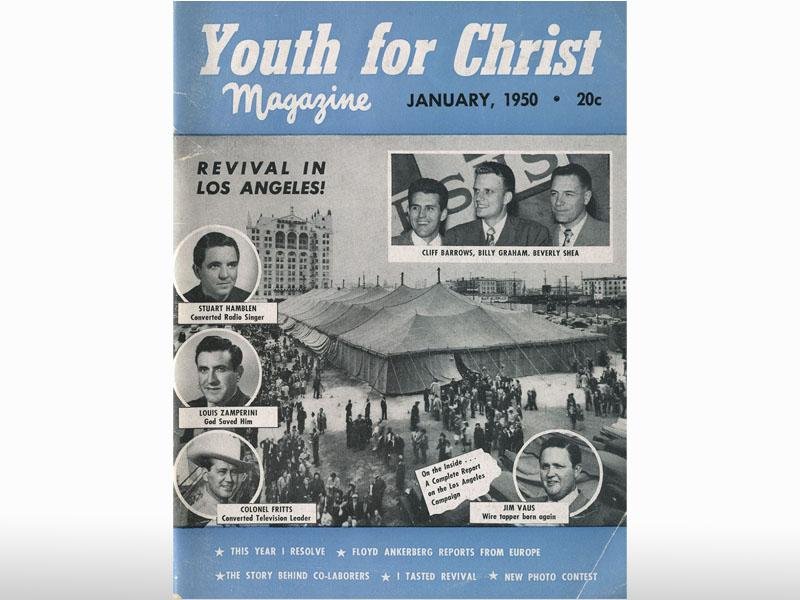
May 27, 1944 - Billy Graham Speaks at First Youth for Christ Rally
Youth for Christ was formed during World War II to reach young people with the Gospel. Ten days before D-Day, on May 27, 1944, the first Youth for Christ Rally was held in Chicago at Orchestra Hall. A young Billy Graham, only in his mid-20s, preached that day as the Youth for Christ’s first full-time staff member.
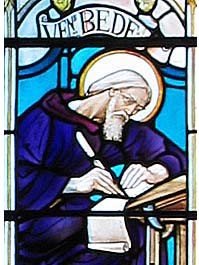
May 26, 735 - Bede, First Major English Historian, Dies
Living in the monastery of Monkwearmouth-Jarrow Abbey, one of the most important learning centers in early medieval England, Bede, later called Venerable Bede, was the first major historian of England.
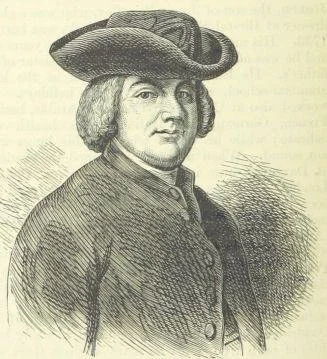
May 25, 1805 - William Paley, Anglican Scholar, Dies
One of the greatest Christian apologists was an Anglican scholar named William Paley. He argued against the deists of his day by claiming that divine revelation for the existence of God was as valid an argument as their appeals to logic and reason.
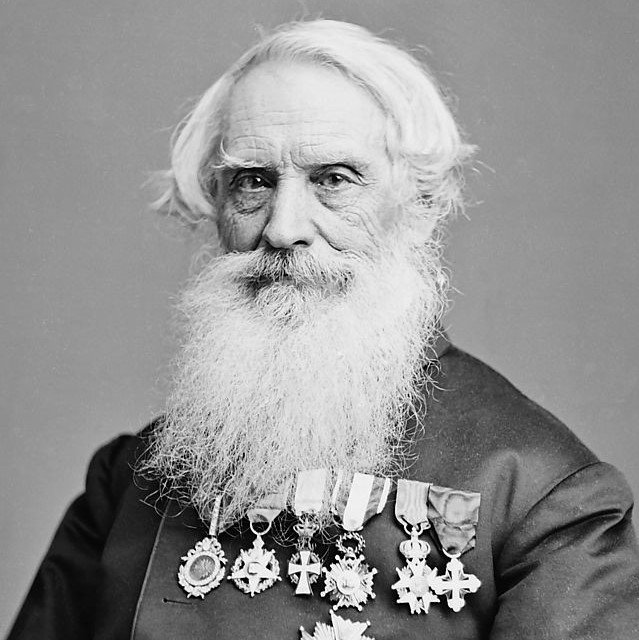
May 24, 1844 - Samuel B. Morse Sends First Telegraph
On May 24, 1844, the first telegraph message was sent from the old Supreme Court chamber in Washington, D.C. to the B&O Railroad station in Baltimore. The telegraph was invented by Samuel B. Morse, who was also famously known for inventing Morse Code, a series of dots and dashes that transmitted messages over long distances.
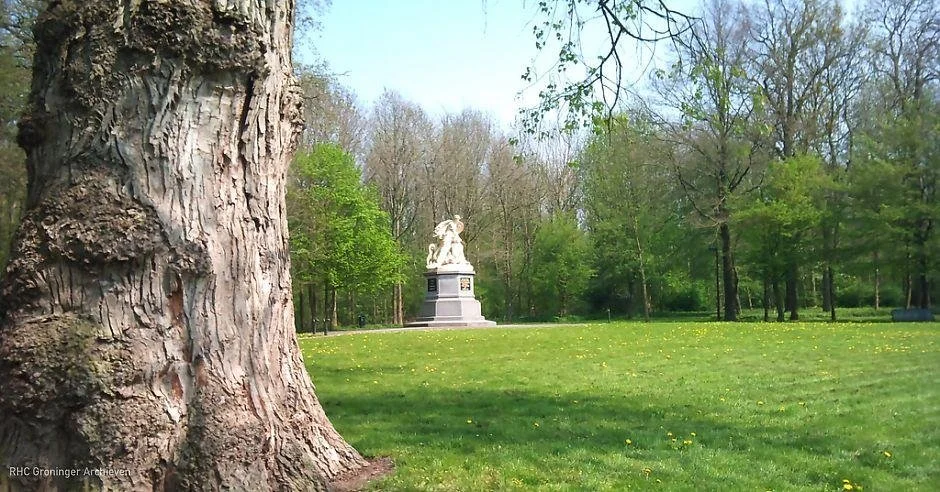
May 23, 1568 - The Dutch Defeat the Spanish in the Battle of Heiligerlee
As Holland became a Protestant stronghold in the 15000s, it became resentful towards the rule of Catholic Spain. In order to gain independence, Holland declared war on Spain to gain independence. This began the Eighty Years War (1568-1648), both a political and religious conflict.
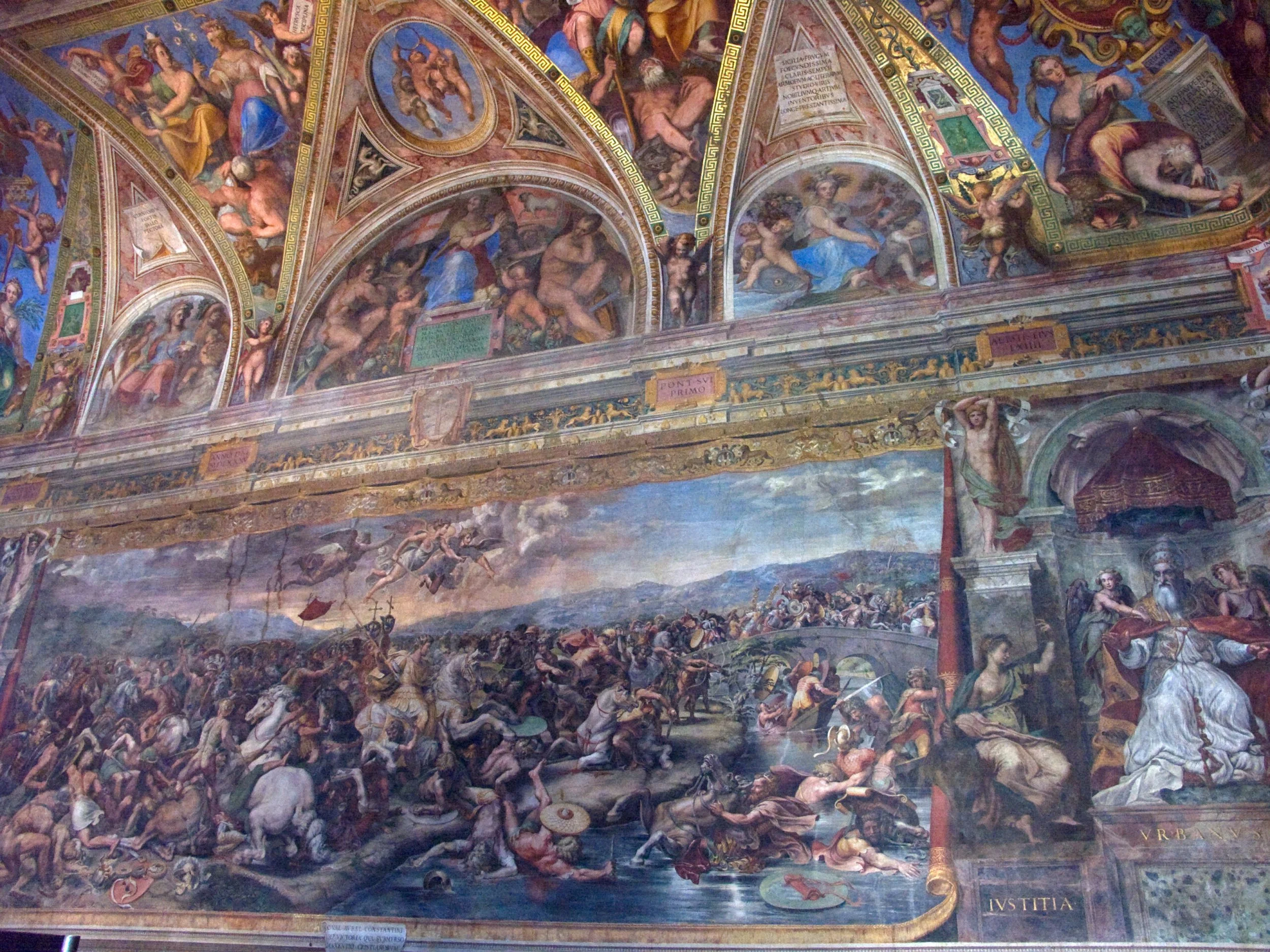
May 22, 337 - Roman Emperor Constantine Dies
Constantine the Great ruled from 306-337 AD, and was considered the first “Christian Roman Emperor” as he made it legal to practice Chrisitanity in the Roman Empire. Christianity was legalized through the Edict of Milan, granting religious tolerance across the empire.
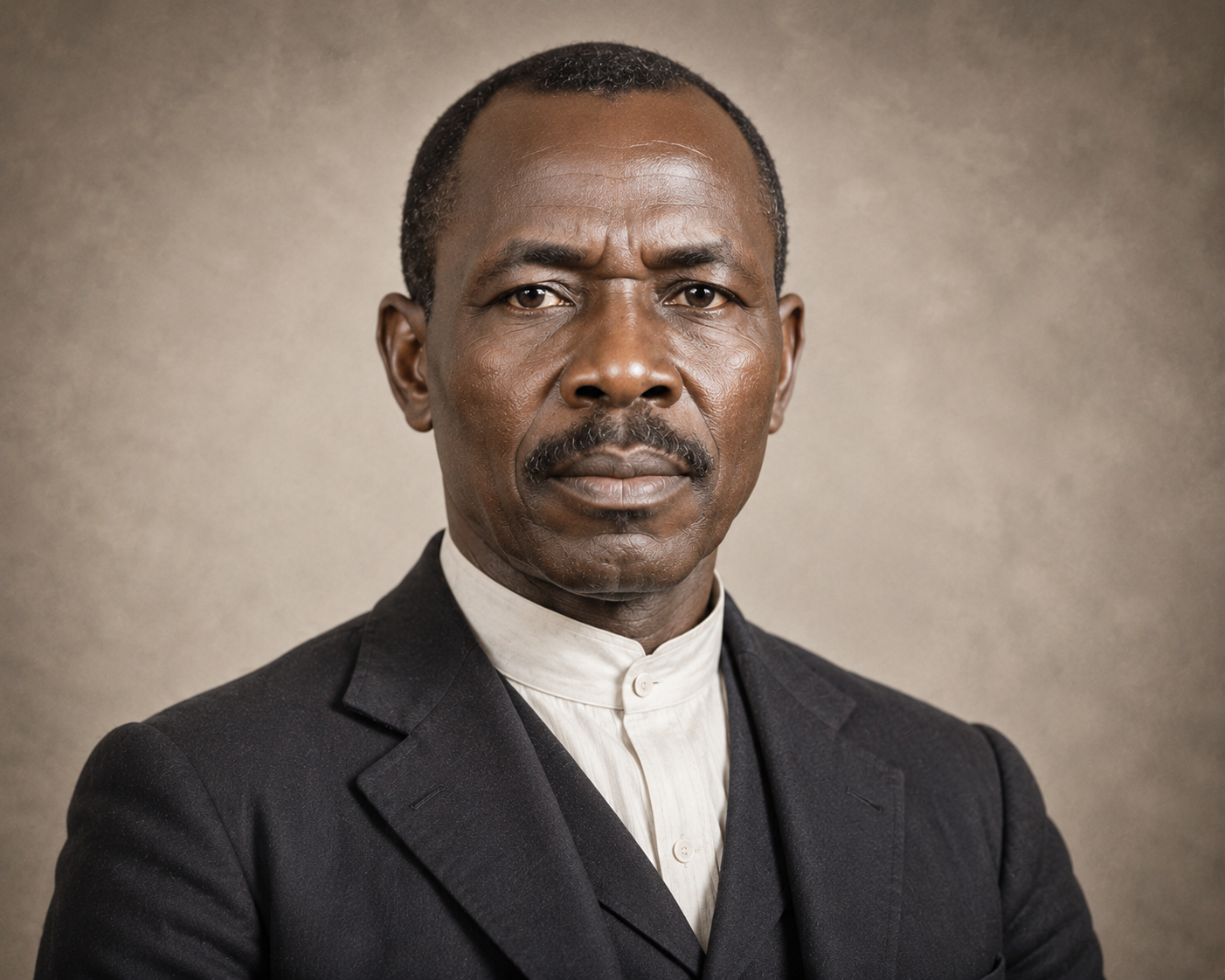
May 21, 1921 - Jeremiah Mahalu Kisula Baptized
Jeremiah Mahalu Kisula was one of the pioneering figures in transition from mission-led churches to indigenous leadership in Africa. Later to become the first bishop of the Africa Inland Church of Tanzania (AICT), which developed from the Africa Inland Mission, he was born in Sima, Mwanza.
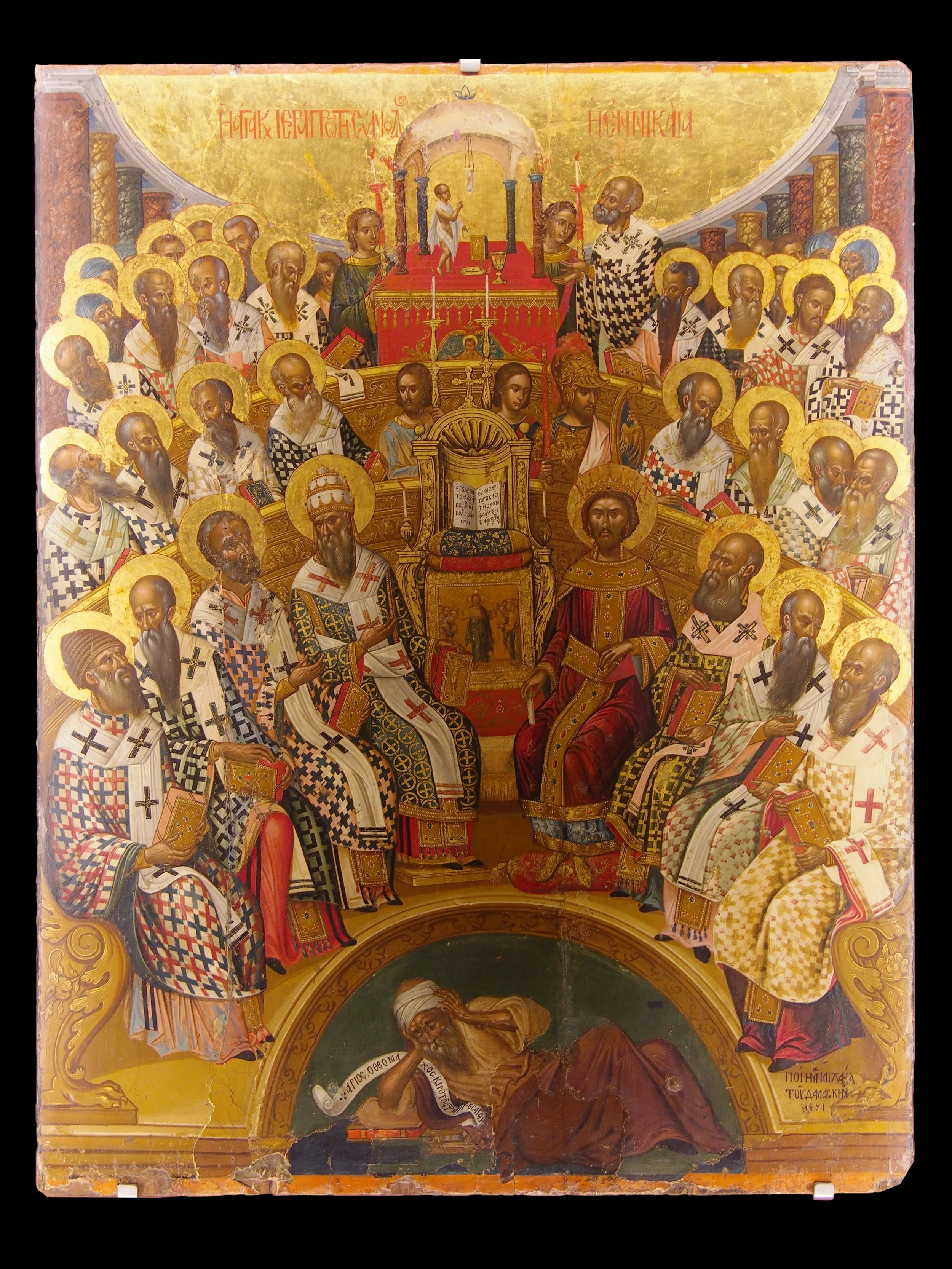
May 20, 325 - Council of Nicaea Begins
The Council of Nicea, the first ecumenical council, gathered together bishops from across the Roman Empire. This was the first meeting of delegates that represented most areas of the Christian world. Constantine the Great called the council on May 20, 325 to settle divisions that had blossomed as a result of the Arian controversy.
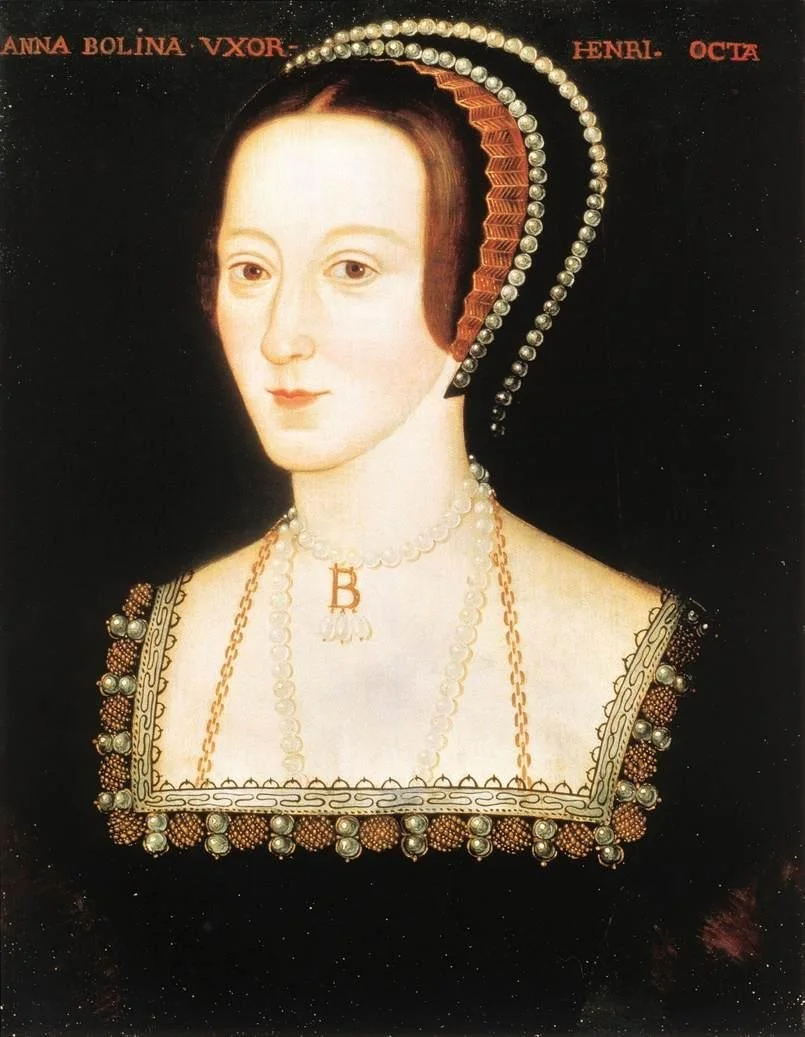
May 19, 1536 - Anne Boleyn, Mother of Queen Elizabeth I, Beheaded
King Henry VIII is commonly known for forming the Church of England so that he could be divorced from his wife Catherine. Many do not know, however, that he originally defended Catholicism and was titled “Defender of the Faith” by the Pope.
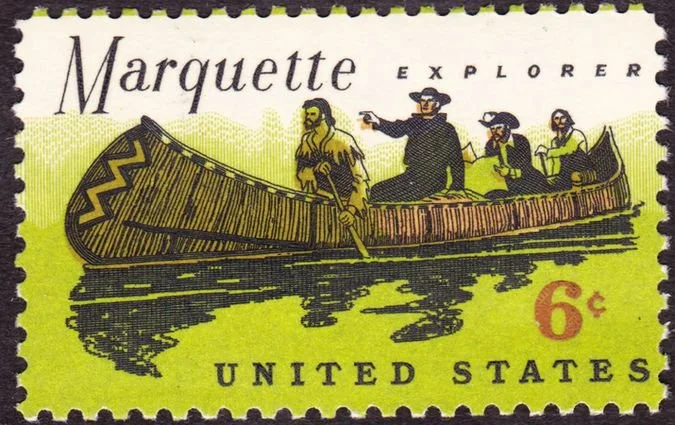
May 18, 1675 - Jacques Marquette, Explorer, Dies
The first European to explore the northern Mississippi River and the upper Midwest of what was to become the United States was Father Jacques Marquette, a Jesuit priest. He partnered with Louis Jolliet in their 1673 expedition to map the Mississippi River.
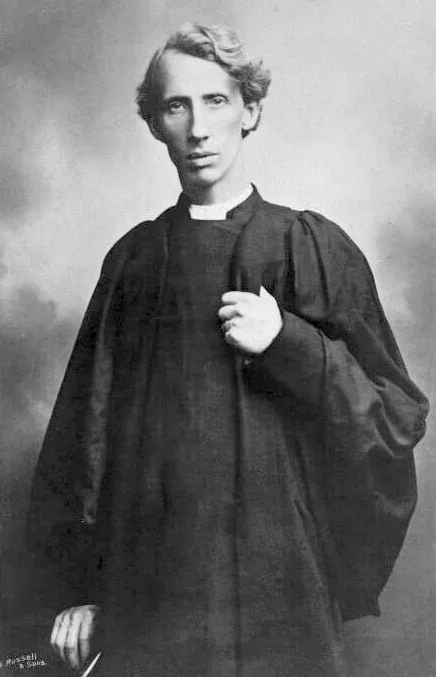
May 16, 1945 - G. Campbell Morgan Dies
As a major figure in 19th century revivalism, D.L. Moody’s preaching tours in England had a resounding impact. During his first visit to England, he met a young boy named Campbell Morgan who would become one of the greatest expository preachers of his time.