

Christian History Today
Resources for your journey through the exploration of Christian History.
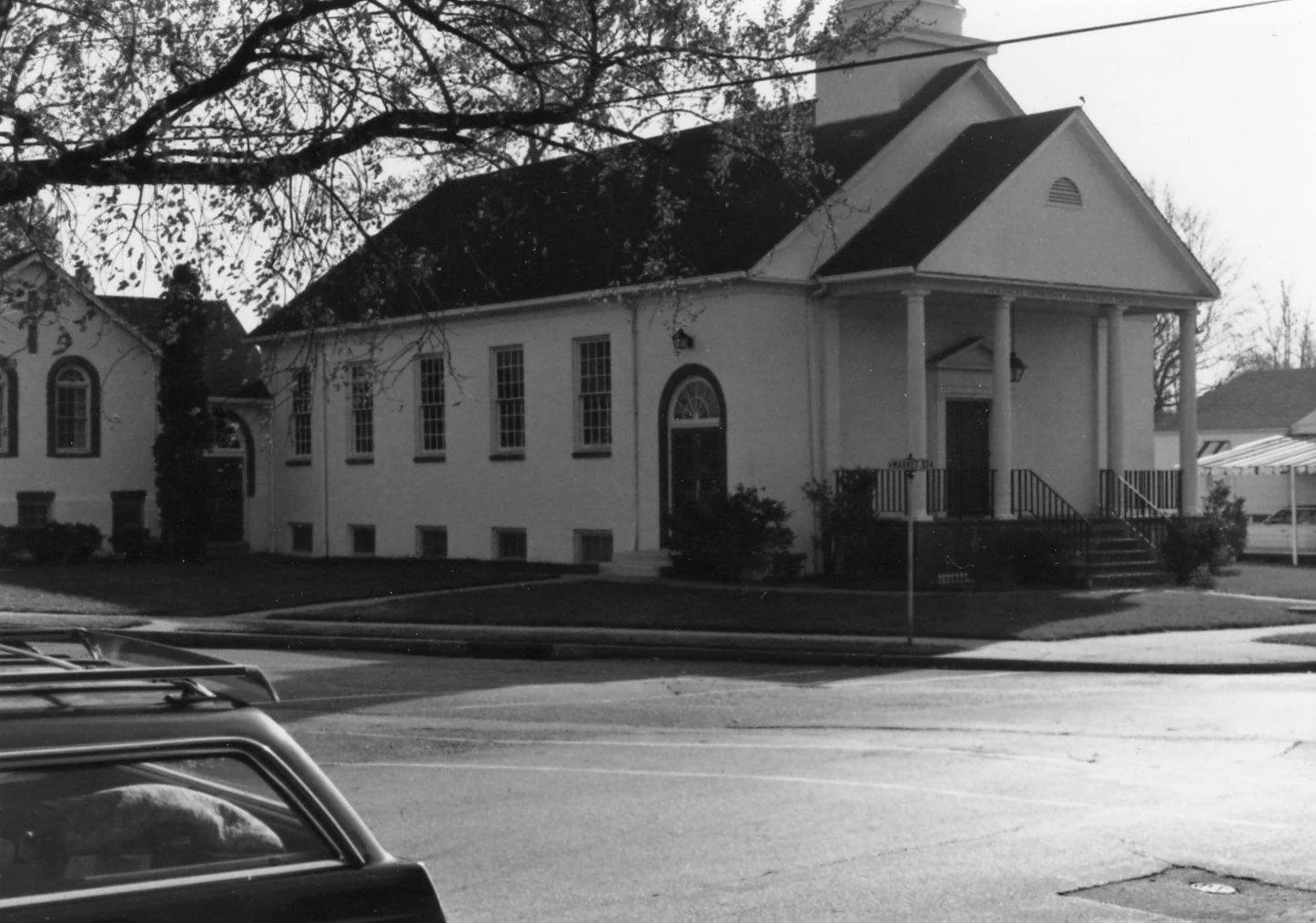
June 11, 1936 - J. Gresham Machen Founds Orthodox Presbyterian Church
J. Gresham Machen was one of the most influential conservative Protestant scholars of the twentieth century. A distinguished New Testament professor at Princeton Theological Seminary, Machen became increasingly concerned that theological liberalism was gaining influence within the churches and seminaries of his day. While many leaders sought to reconcile Christianity with modern intellectual trends, Machen argued that historic Christian doctrine could not be reduced to mere moral teachings or religious sentiment. His landmark 1923 book, Christianity and Liberalism, contended that liberal theology and historic Christianity were fundamentally different religions rather than differing expressions of the same faith.
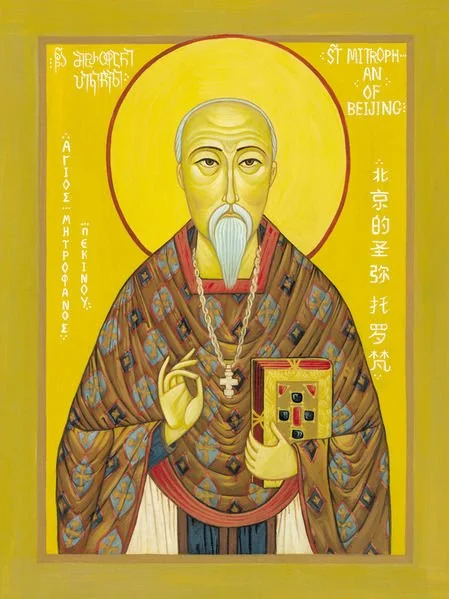
June 10, 1900 - Fr. Mitrophan Murdered
As darkness fell over Beijing on the evening of June 10, 1900, a small group of Chinese Christians gathered in the home of an Orthodox priest named Fr. Mitrophan Ji. They knew the danger surrounding them. Just over a week earlier, their church had been burned by members of the Boxer movement, a violent anti-foreign and anti-Christian uprising that was spreading across northern China. What they could not know was that many of them were about to become some of the first Orthodox Christian martyrs of modern China.
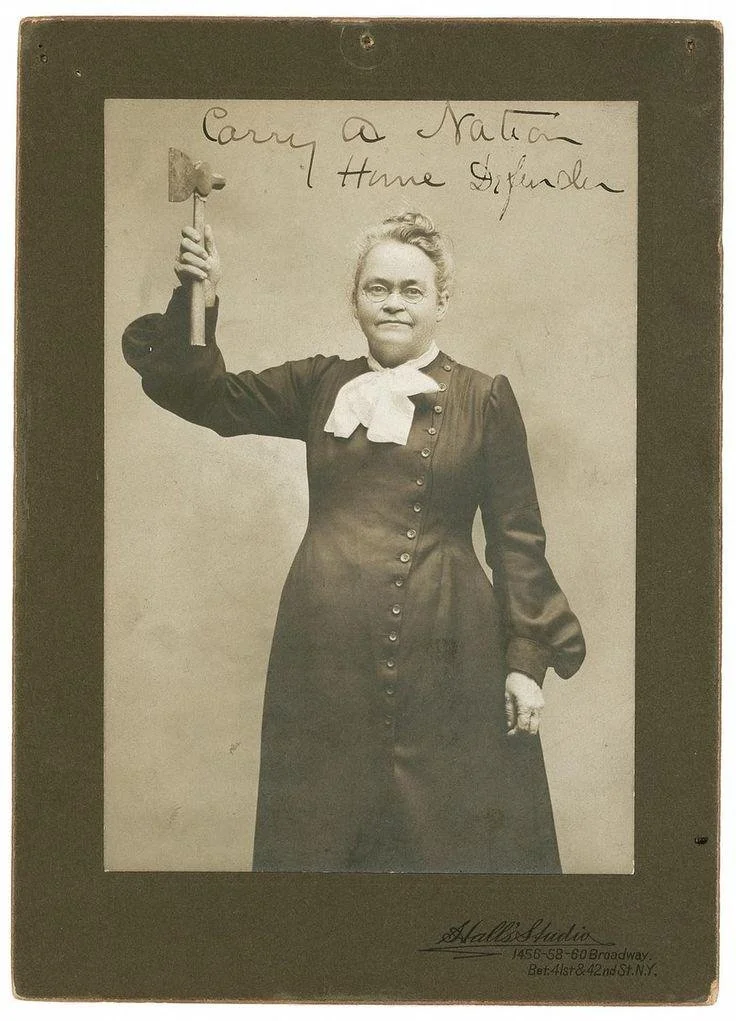
June 9, 1911 - Carrie Nation, Prohibitionist, Dies
Few figures in American Christian history were as controversial—or as impossible to ignore—as Carrie Nation. A passionate advocate for the temperance movement, Nation became famous for her dramatic and often destructive campaign against the sale and consumption of alcohol. To her supporters, she was a courageous reformer willing to confront a social evil that was destroying families and communities. To her critics, she was a vigilante whose methods crossed the line between protest and lawlessness.

June 8, 1819 - Dr. John Scudder Moves to India
John Scudder was among the first American medical missionaries. He believed that caring for the body and sharing the Gospel could go hand in hand. Arriving in India, he and his family devoted themselves to serving communities through medicine, education, and Christian ministry. Over the years, the Scudder family would produce multiple generations of missionaries who continued that work across the Indian subcontinent.
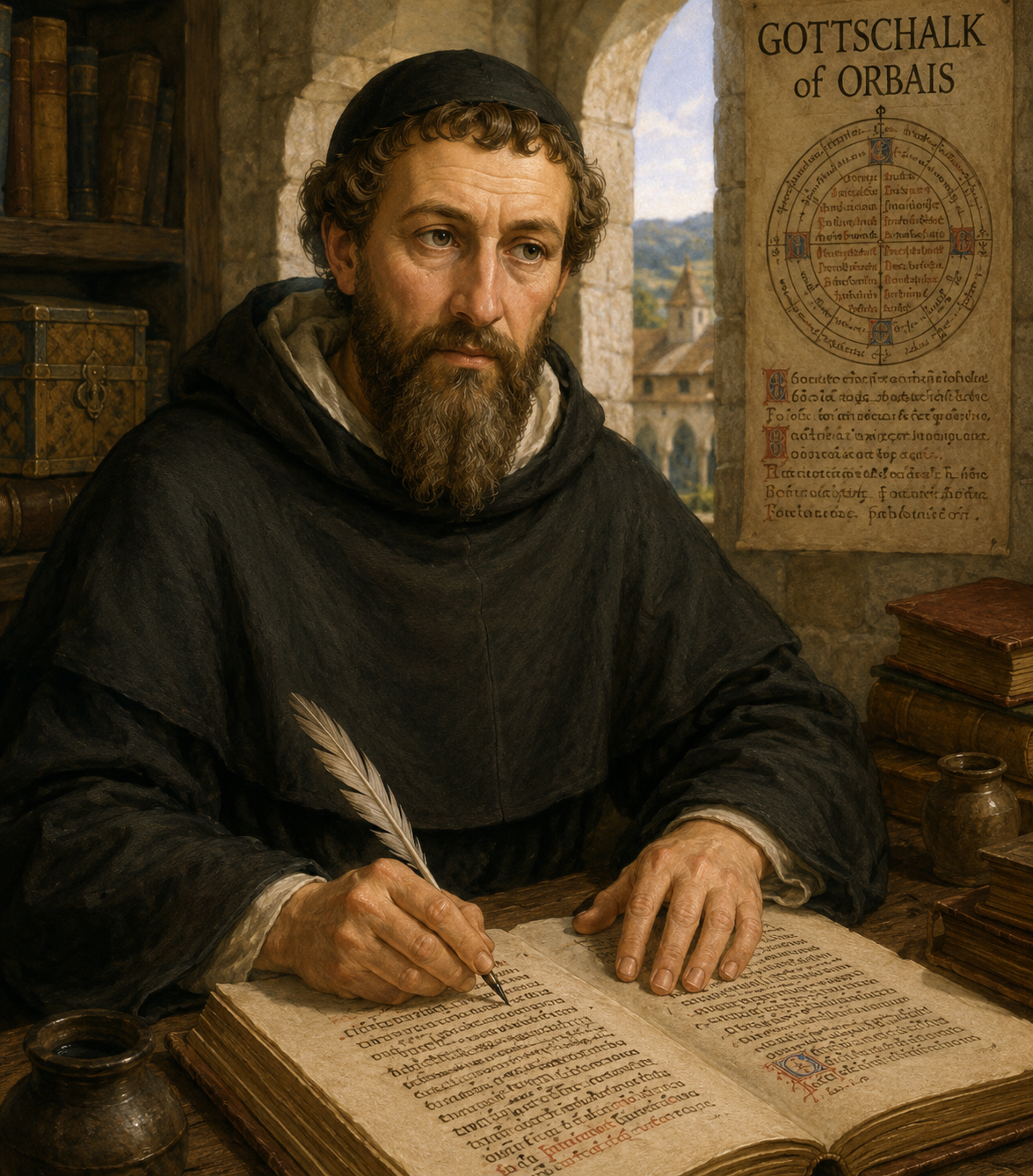
June 7, 1066 - Prince Gottschalk Murdered
The Christianization of northern Europe was not a simple or peaceful process. For centuries after much of Western Europe had formally embraced Christianity, many regions along the Baltic coast remained religiously divided and politically unstable. Tribal alliances shifted constantly, warfare was common, and rulers often found themselves caught between older pagan traditions and the growing influence of Christianity from neighboring kingdoms.
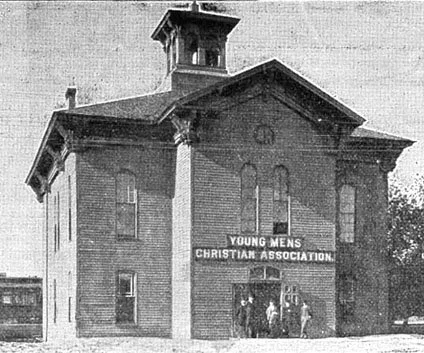
June 6, 1844 - George Williams Establishes the First YMCA
Not every major Christian movement begins in a church pulpit or on a mission field. Some begin in workplaces, businesses, and ordinary daily life. That was certainly true for George Williams, a young businessman in Victorian England whose concern for struggling workers would eventually help launch one of the most influential Christian organizations in modern history.
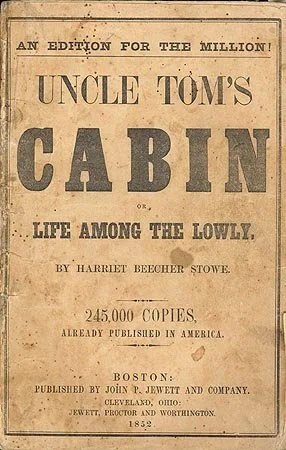
June 5, 1851 - Uncle Tom's Cabin Published
Few books in American history have shaped public opinion as dramatically as Uncle Tom’s Cabin by Harriet Beecher Stowe. Appearing during a period of growing national tension over slavery, the novel became far more than a literary success. It became a moral and political force that helped intensify the national conversation that would eventually lead to the Civil War.
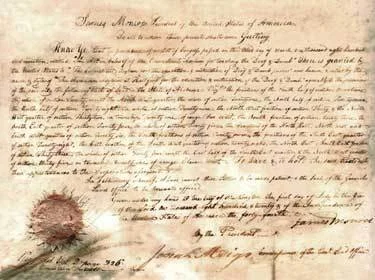
June 4, 1639 - Fundamental Orders of New Haven Created
Long before the United States Constitution was written, many early colonial settlements in North America were already wrestling with a major question: what should a Christian society actually look like in practice? Some colonies emphasized commerce, others survival, and others religious liberty. In seventeenth-century New England, however, certain communities attempted to build civil governments directly shaped by their understanding of Scripture.
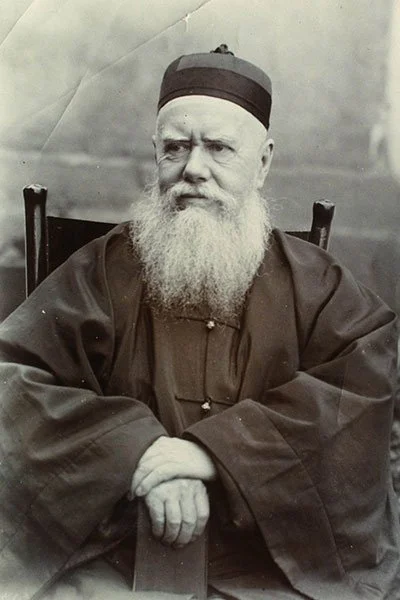
June 3, 1905 - Hudson Taylor Dies
The nineteenth century saw an enormous surge of Protestant missionary activity across Asia, and today’s figure follows naturally after yesterday’s post on George Leslie Mackay. While Mackay ministered in Taiwan through the Presbyterian tradition, Hudson Taylor became one of the best-known missionaries to China through an entirely different Protestant missionary movement. Together, their stories reveal how deeply many Christians of the era were burdened for regions of Asia where millions had never heard the Gospel.
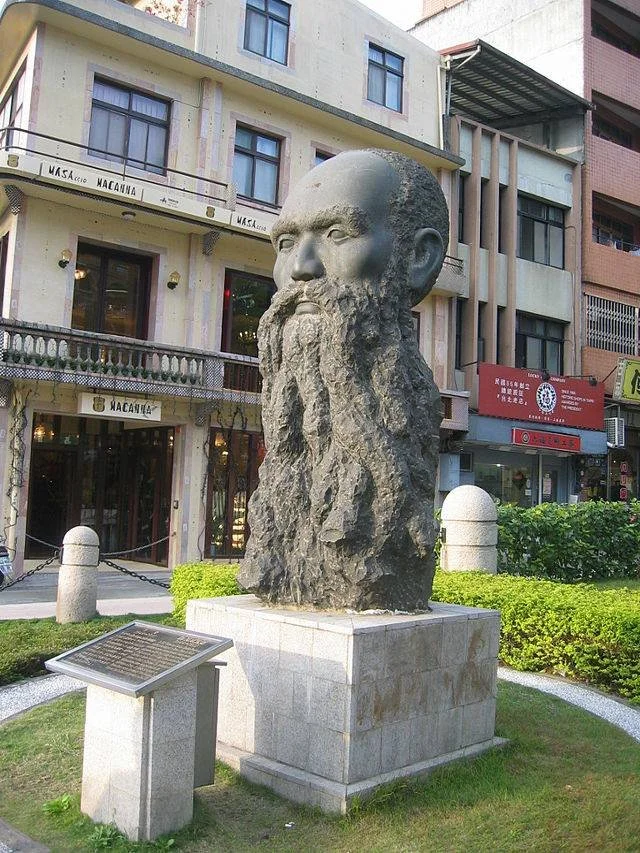
June 2, 1901 - George Mackay Dies
On June 2, 1901, George Leslie Mackay died after a lifetime of missionary work in Taiwan that left a lasting impact on both the church and Taiwanese society. Sent by the Canadian Presbyterian Church in the nineteenth century, Mackay became one of the most influential Protestant missionaries in East Asia.
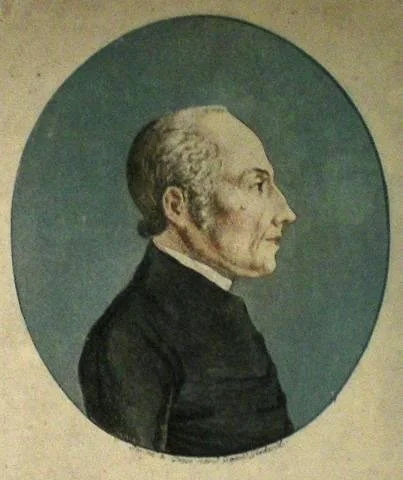
June 1, 1826 - John F. Oberlin Dies
On June 1, 1826, John Frederick Oberlin died after decades of ministry among the poor and isolated communities of the Alsace-Lorraine region of France. Though remembered as a pastor, Oberlin’s work extended far beyond the walls of the church. Serving in a rugged mountain valley with limited resources and widespread poverty, he believed Christian ministry required both spiritual care and practical action.
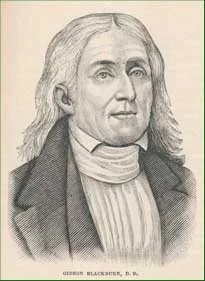
May 31, 1803 - Gideon Blackburn Appointed as First Presbyterian Missionary to Native Americans
On May 31, 1803, during a time of rapid westward expansion in the United States, Gideon Blackburn was appointed by the Presbyterian Church as their first missionary to the American Indians.
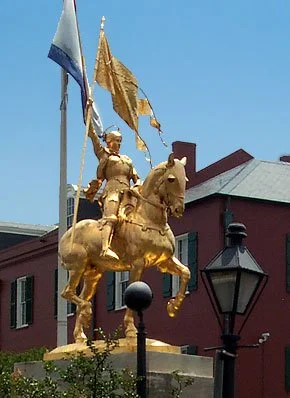
May 30, 1431 - Joan of Arc Burned at the Stake
The Hundred Years War was a political and religious conflict lasting from 1337-1453. It was fought over control of France. Joan of Arc, a famous martyr, became known for helping to lift the siege of Orléans after claiming that the Archangel Michael as well as saints like Catherine and Margaret. told her to fight the English.
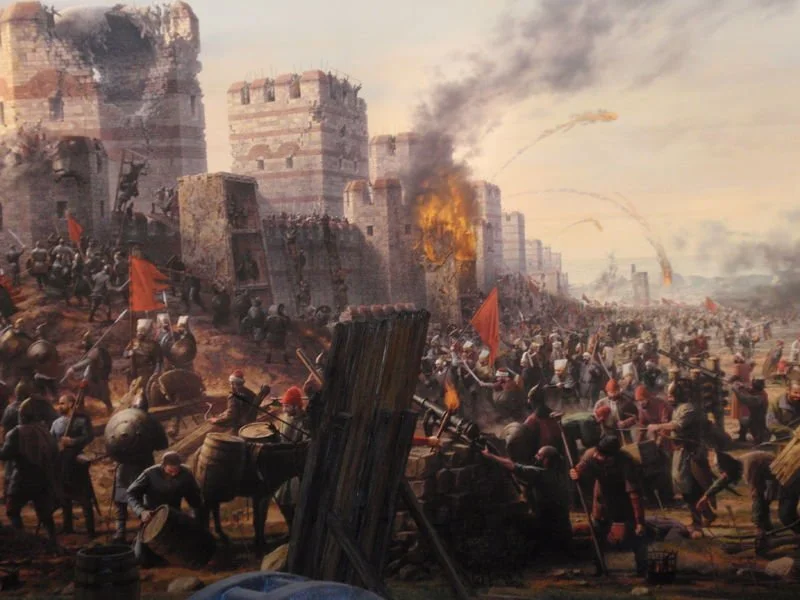
May 29, 1453 - Constantinople Falls to the Ottoman Turks
With the fall of Constantinople, marking the end of the Byzantine Empire, came a shift in political and religious power. Until that point, Constantinople had been a hub of Eastern Orthodox Christianity. Following the fall, many Greek scholars fled to the west, which brought many ancient manuscripts and knowledge, helping to fuel the Renaissance.
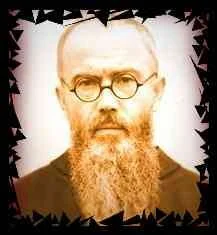
May 28, 1941 - Maximilian Kolbe Sent to Auschwitz
Maximilian Kolbe was a Polish Franciscan priest, founding a large monastery called Niepokalanów in Poland in 1936. This would become one of the largest religious communities in the world. Kolbe used publishing, including a magazine, in order to spread Christian teaching before World War II.
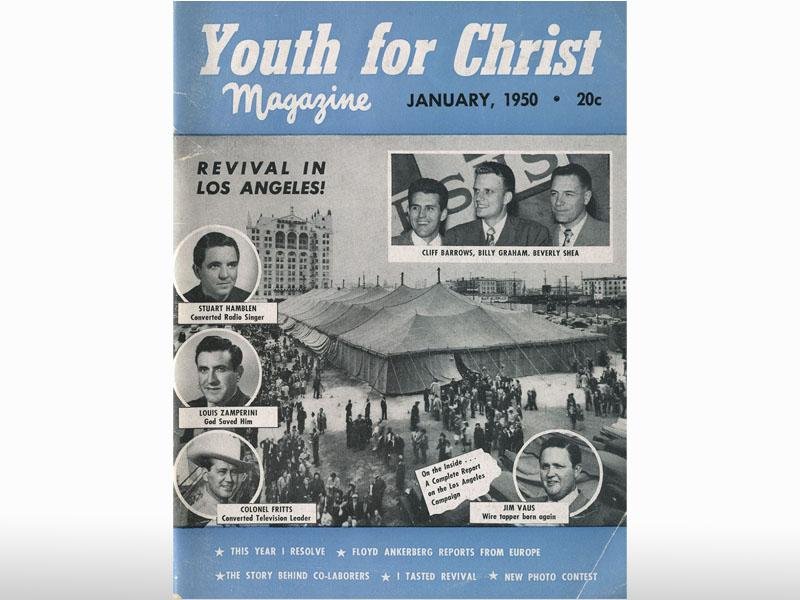
May 27, 1944 - Billy Graham Speaks at First Youth for Christ Rally
Youth for Christ was formed during World War II to reach young people with the Gospel. Ten days before D-Day, on May 27, 1944, the first Youth for Christ Rally was held in Chicago at Orchestra Hall. A young Billy Graham, only in his mid-20s, preached that day as the Youth for Christ’s first full-time staff member.
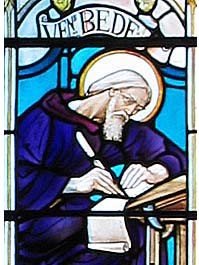
May 26, 735 - Bede, First Major English Historian, Dies
Living in the monastery of Monkwearmouth-Jarrow Abbey, one of the most important learning centers in early medieval England, Bede, later called Venerable Bede, was the first major historian of England.
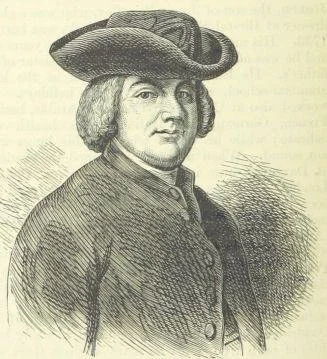
May 25, 1805 - William Paley, Anglican Scholar, Dies
One of the greatest Christian apologists was an Anglican scholar named William Paley. He argued against the deists of his day by claiming that divine revelation for the existence of God was as valid an argument as their appeals to logic and reason.
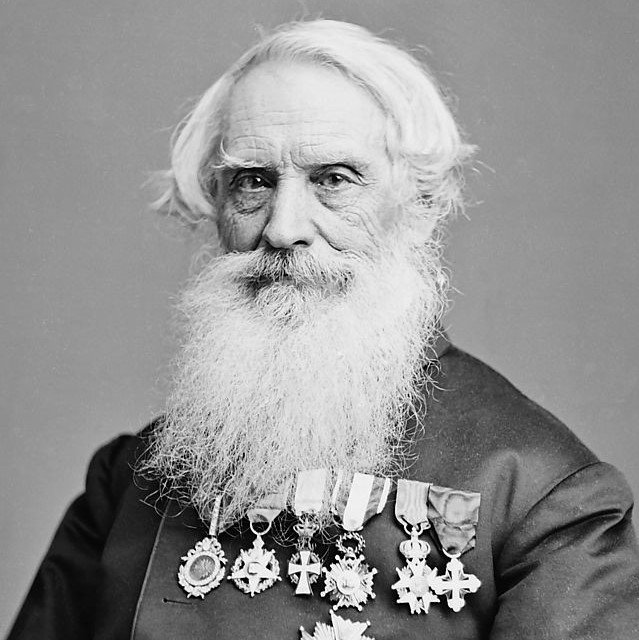
May 24, 1844 - Samuel B. Morse Sends First Telegraph
On May 24, 1844, the first telegraph message was sent from the old Supreme Court chamber in Washington, D.C. to the B&O Railroad station in Baltimore. The telegraph was invented by Samuel B. Morse, who was also famously known for inventing Morse Code, a series of dots and dashes that transmitted messages over long distances.

May 23, 1568 - The Dutch Defeat the Spanish in the Battle of Heiligerlee
As Holland became a Protestant stronghold in the 15000s, it became resentful towards the rule of Catholic Spain. In order to gain independence, Holland declared war on Spain to gain independence. This began the Eighty Years War (1568-1648), both a political and religious conflict.