

Christian History Today
Resources for your journey through the exploration of Christian History.
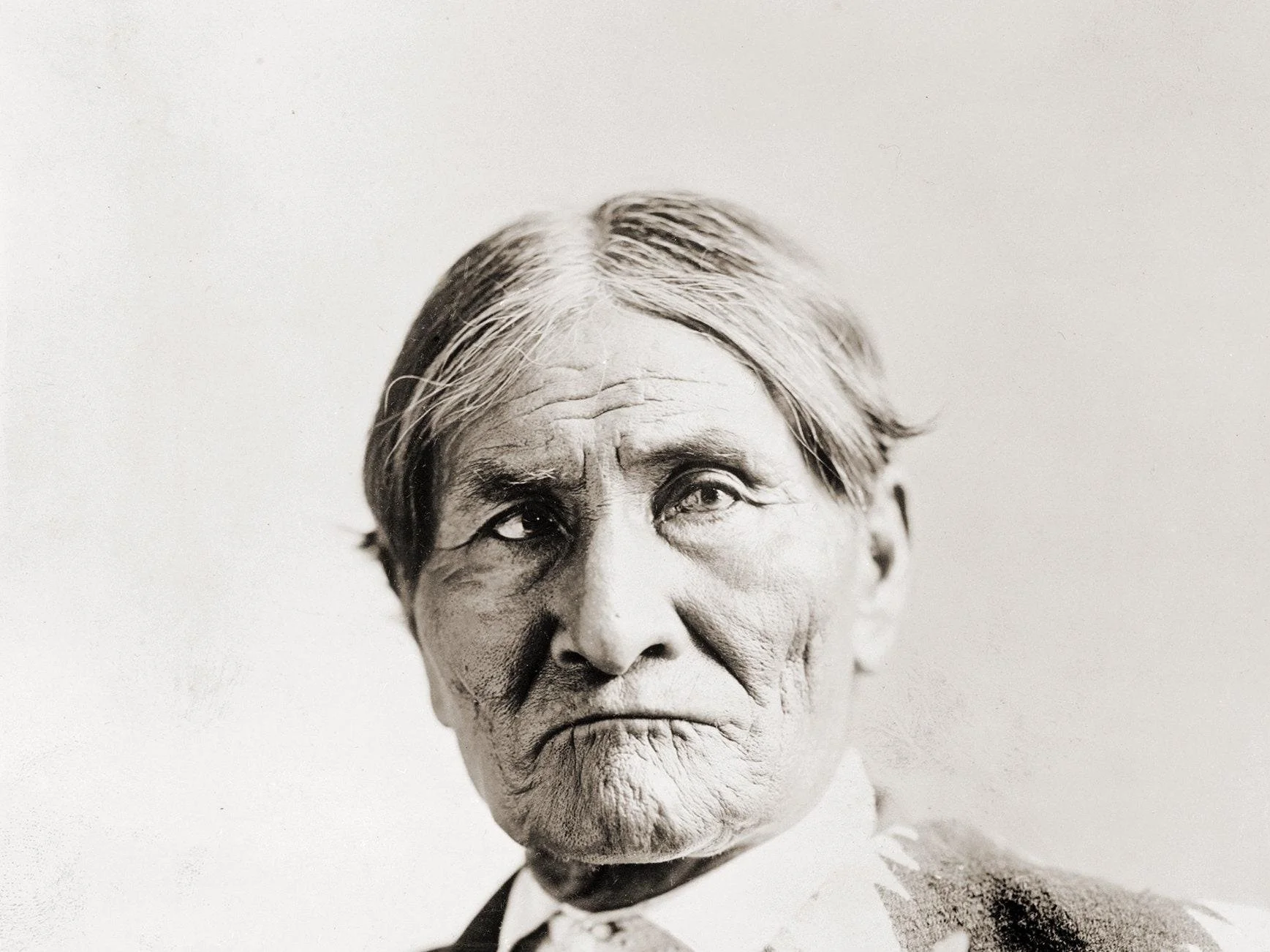
July 1, 1903 - Apache Chief Geronimo Baptized
Geronimo's baptism reminds us that Christian history is rarely simple. It reflects both the complicated relationship between Christianity and Native American communities and the deeply personal nature of conversion. His story illustrates that the Gospel often took root in unexpected places and among unlikely people, while also encouraging Christians to acknowledge both the successes and the failures of the Church's witness to Indigenous peoples throughout North American history.
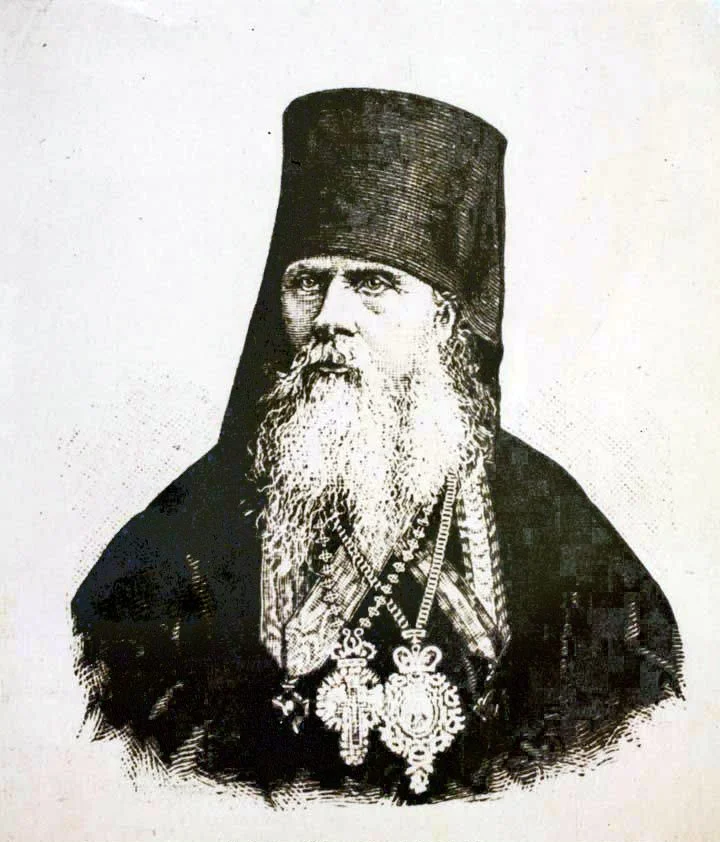
June 30, 1882 - Bishop Nestor Drowns
Before Alaska was purchased by the United States in 1867, the region had belonged to Russia for more than a century. As a result, the Russian Orthodox Church established a strong presence there, ministering among Native Alaskan peoples and founding communities that continue to exist today.
One of the most influential leaders of this missionary effort was Bishop Nestor. He is remembered for his dedication to making Christianity accessible to Indigenous communities, including translating portions of Scripture and church materials into Native languages used in Alaska. Such work required not only theological training but also a deep engagement with local cultures and languages.
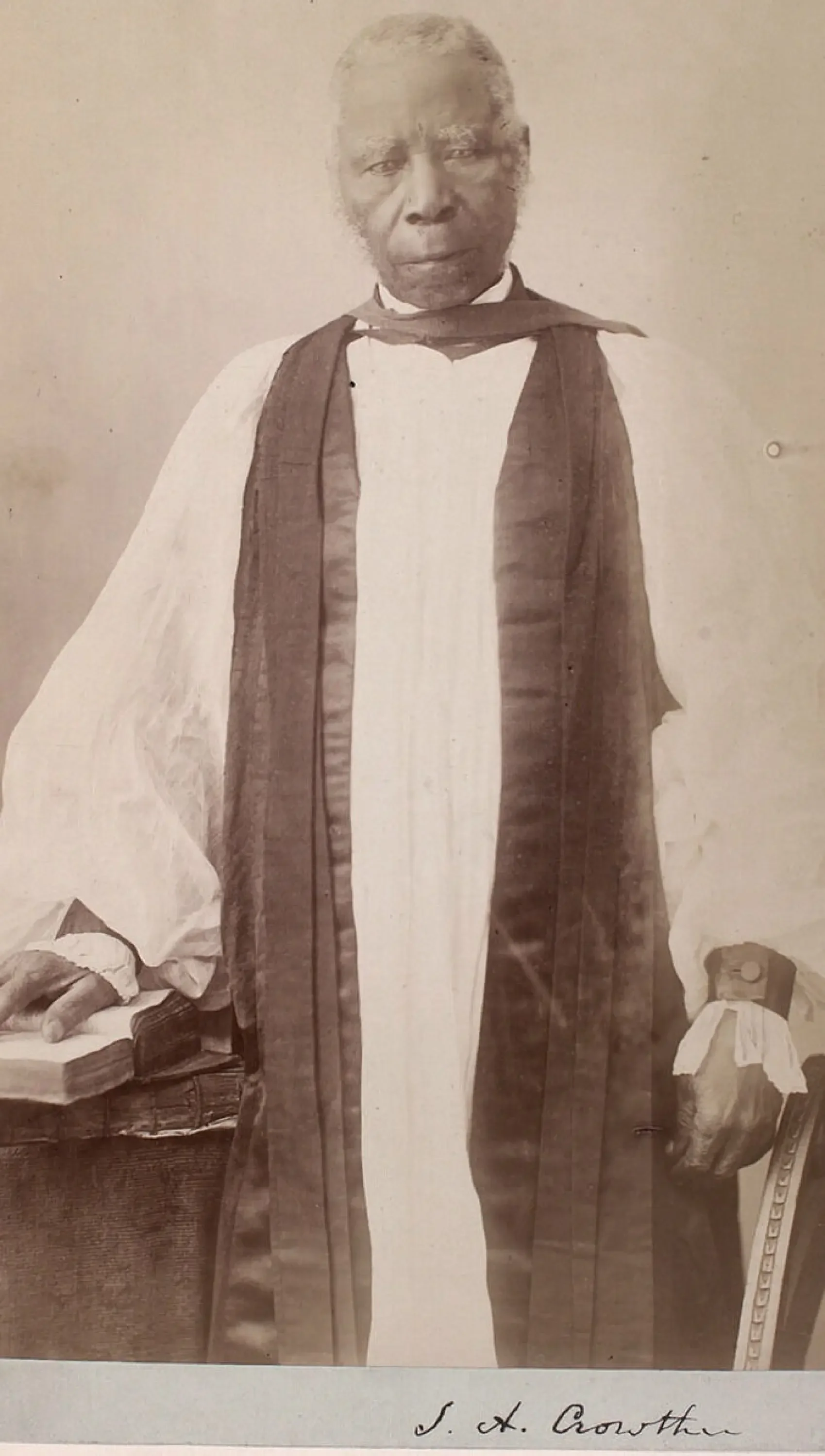
June 29, 1864 - Samuel Ajayi Crowther Consecrated as First African Anglican Bishop
Samuel Ajayi Crowther’s life is one of the most remarkable stories in Christian history. Born among the Yoruba people in present-day Nigeria around 1809, he was captured by slave raiders as a child and sold into slavery. His fate changed dramatically when a British naval vessel intercepted the slave ship carrying him, leading to his liberation in Sierra Leone. There, he embraced Christianity, received an education, and began a journey that would make him one of the most influential African Christians of the nineteenth century.
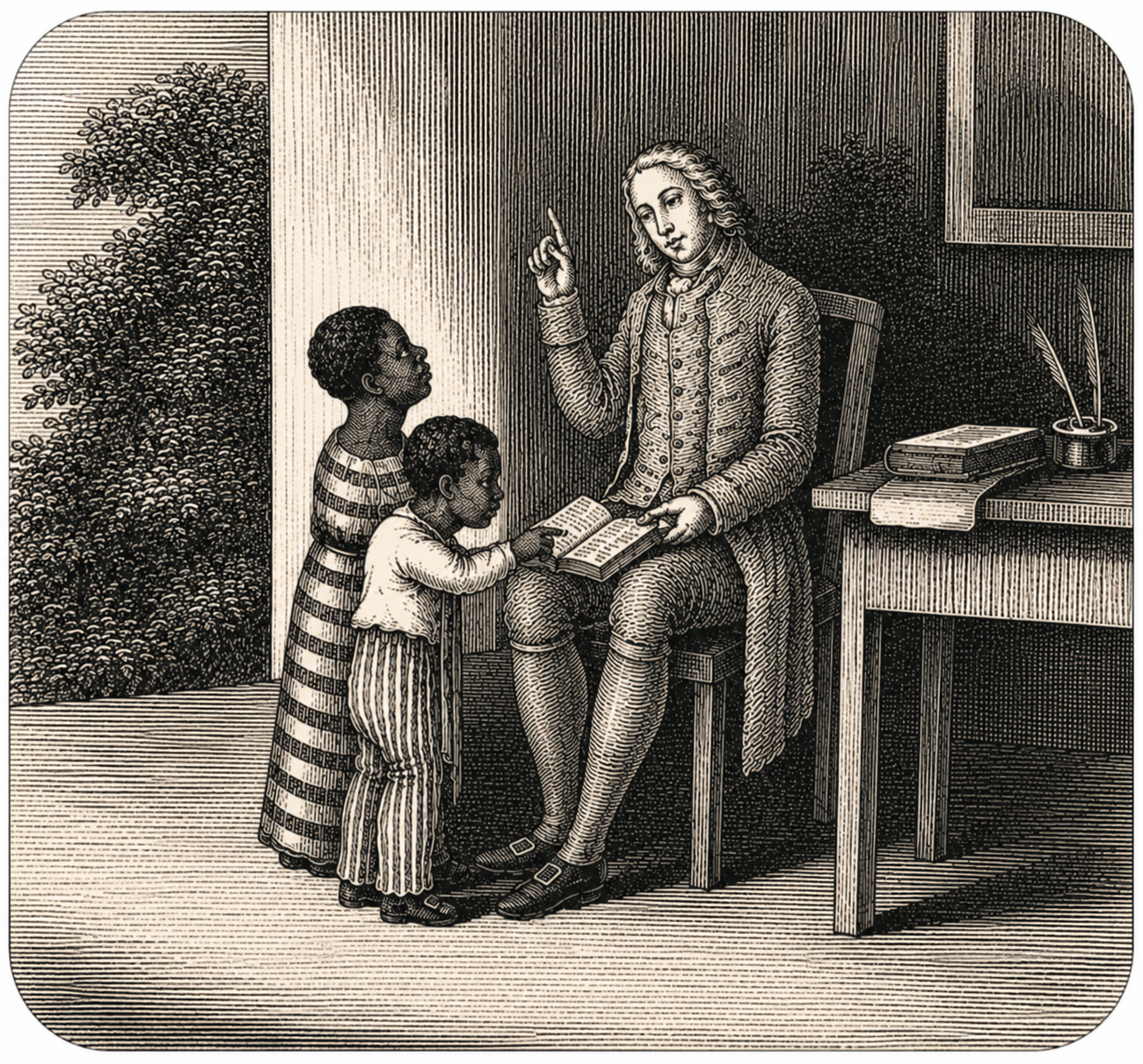
June 28, 1770 - Anthony Benezet Opens School for African American Children
Few figures in colonial America did more to challenge racial prejudice than the Quaker educator and reformer Anthony Benezet. Although slavery remained firmly entrenched throughout much of the British Atlantic world, Benezet spent his life arguing that all people were created equal in the sight of God.
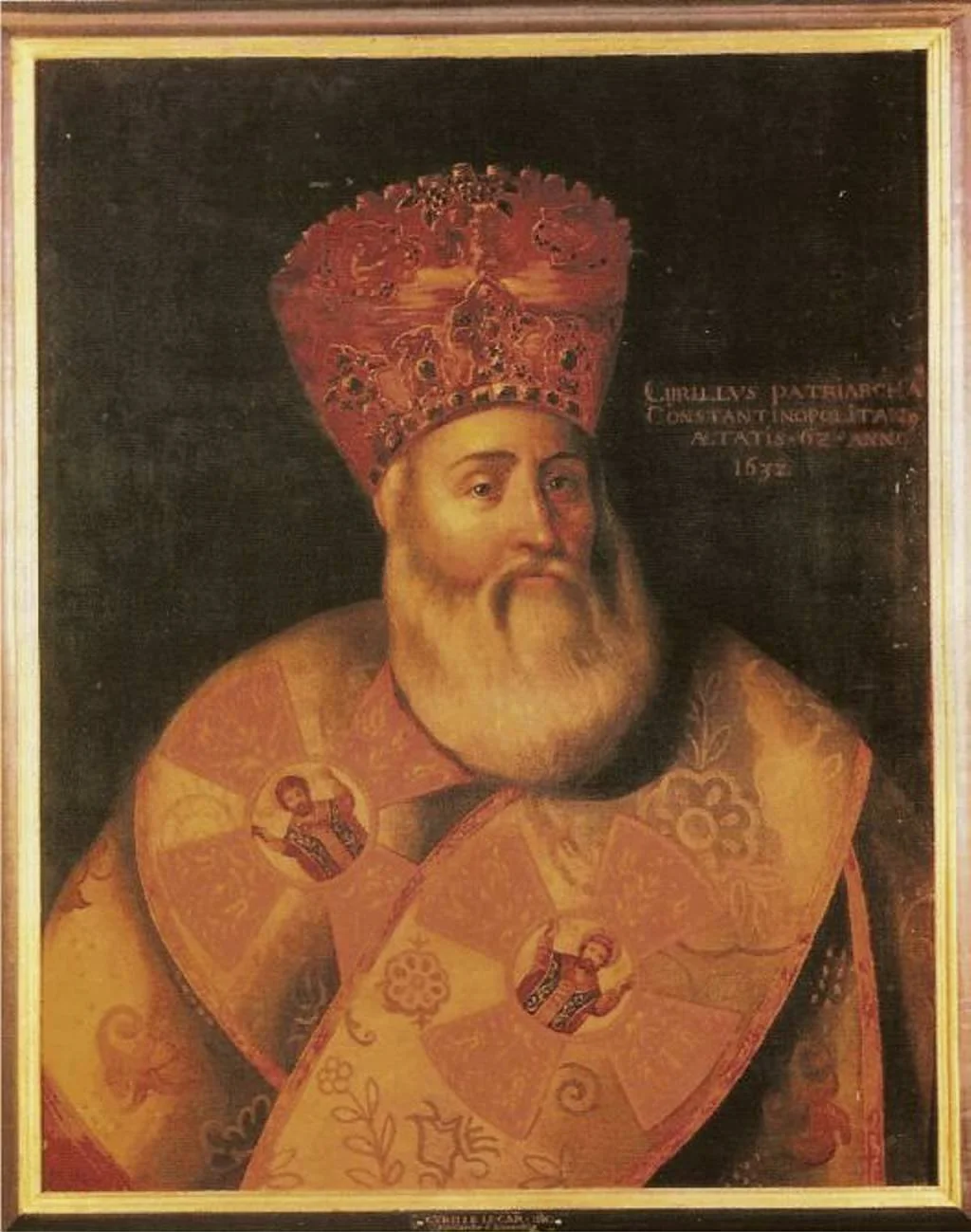
June 27, 1638 - Patriarch Cyril Lucaris Martyred
The life of Cyril Lucaris highlights the complex relationship between theology, politics, and ecclesiastical authority in the early modern world. His story demonstrates how Christian leaders often navigated competing pressures from governments, rival churches, and emerging ideas. More than three centuries later, the debates surrounding Lucaris continue to shape conversations about Orthodox identity and the boundaries of reform within the Christian tradition.
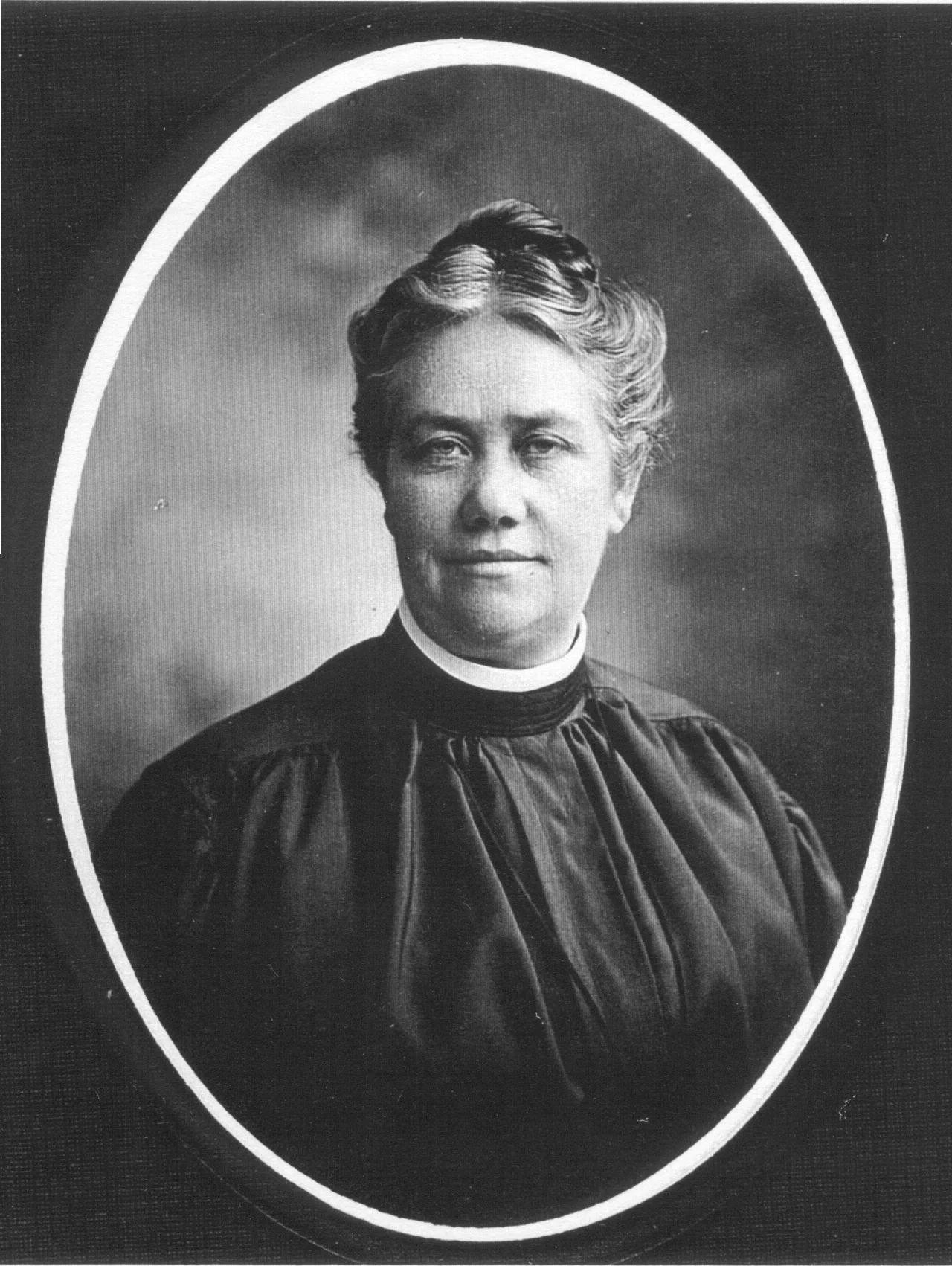
June 26, 1946 - Bishop Alma Bridwell White Dies
On June 26, 1946, Alma Bridwell White died at the age of eighty-four. A pioneering yet deeply controversial religious leader, White holds the distinction of being the first woman consecrated as a bishop in the United States. In 1901, she founded the religious movement that became the Pillar of Fire Church, originally known as the Methodist Pentecostal Union Church.
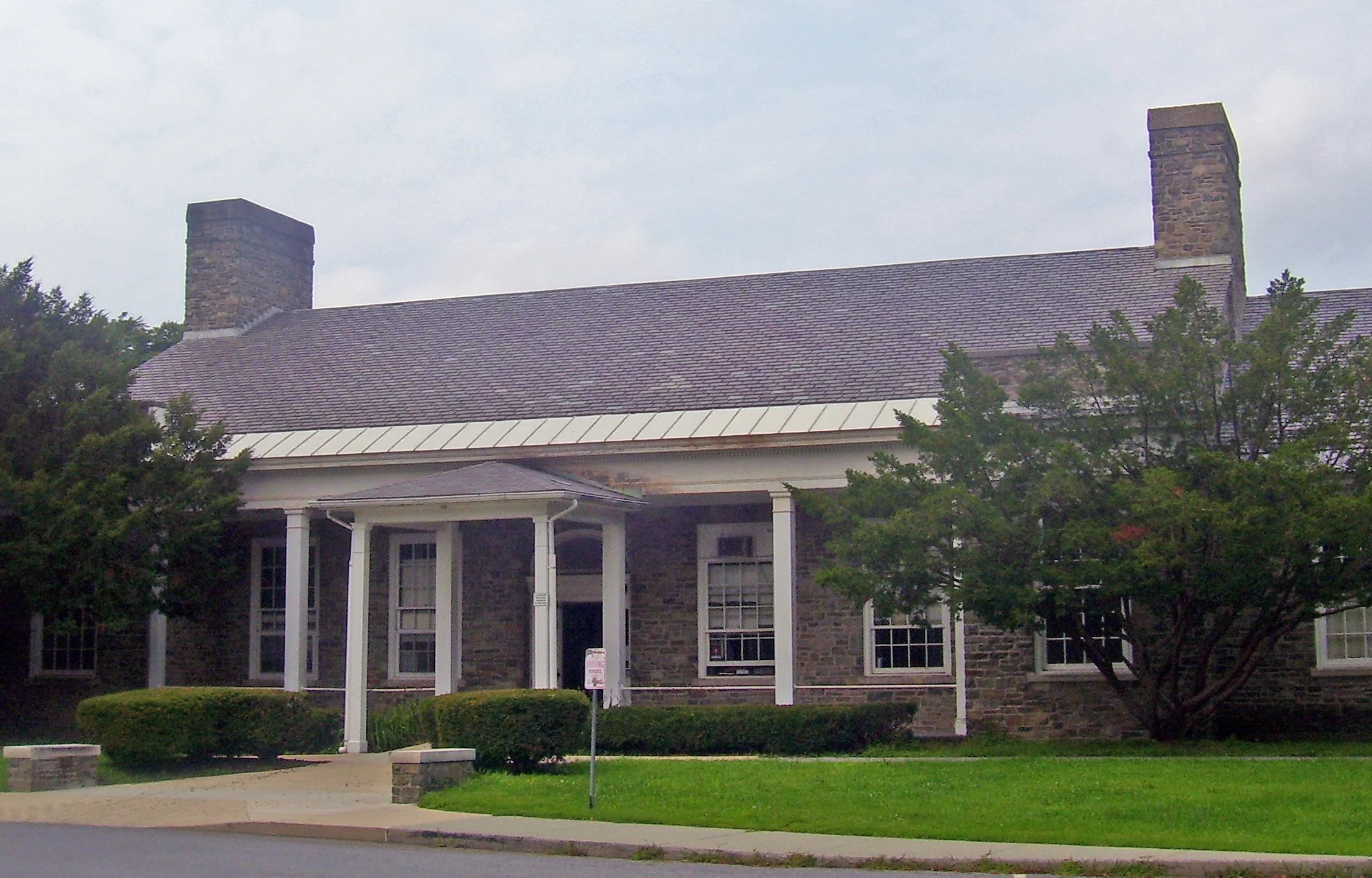
June 25, 1962 - Supreme Court Removed Prayer from Schools
June 25, 1962, marked one of the most consequential church-state decisions in American history. In the case of Engel v. Vitale, the United States Supreme Court ruled 6–1 that a government-written prayer recited in public schools violated the Establishment Clause of the First Amendment.
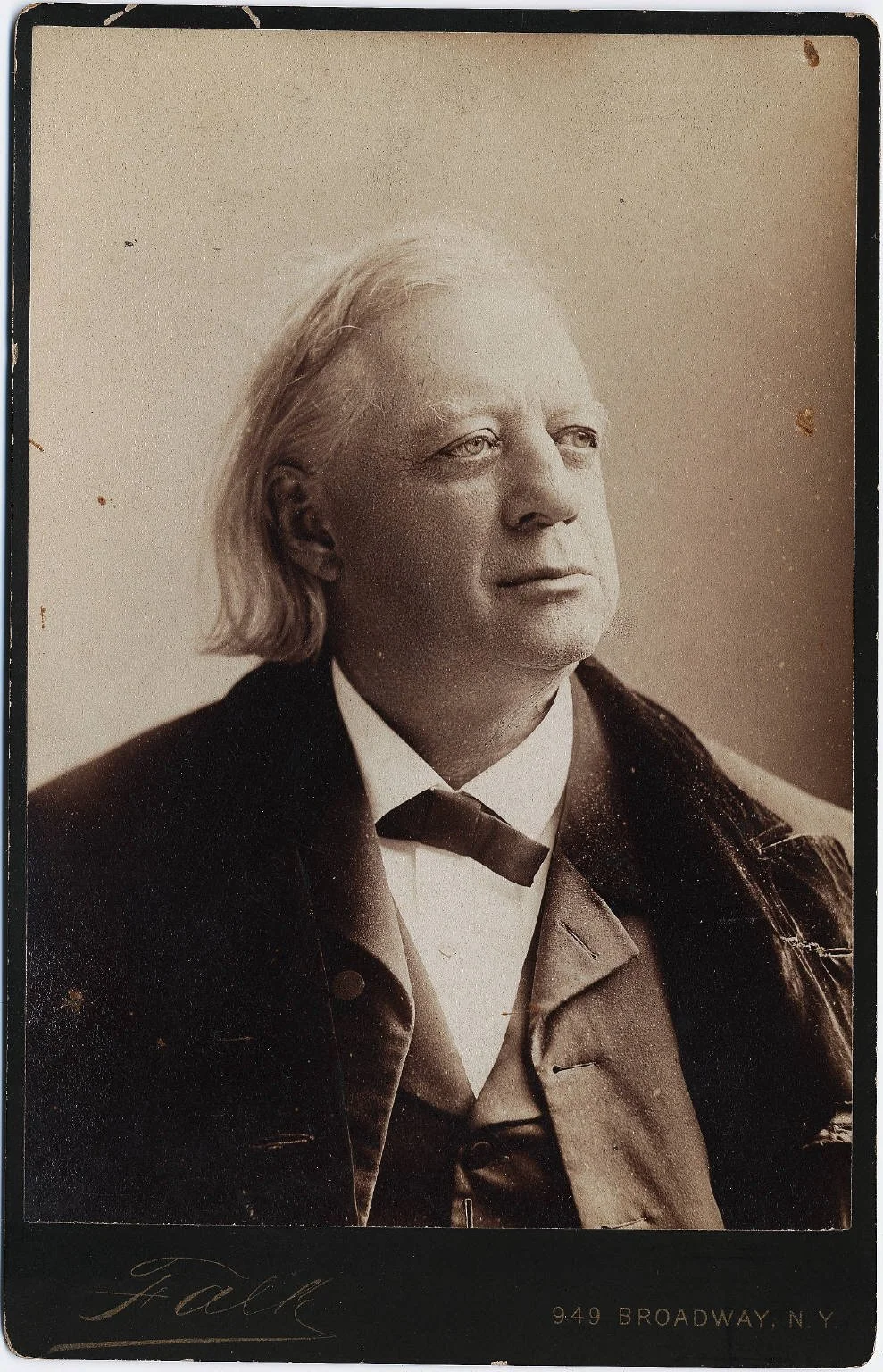
June 24, 1813 - Henry Ward Beecher Born
Henry Ward Beecher was born in Litchfield, Connecticut, into one of America’s most influential religious families. The son of famed revivalist Lyman Beecher and brother of author Harriet Beecher Stowe, Beecher would become one of the most prominent Protestant ministers of the nineteenth century. Though remembered today largely for his role in social reform, Beecher first saw himself as a preacher of the gospel and a pastor concerned with the moral life of his nation.
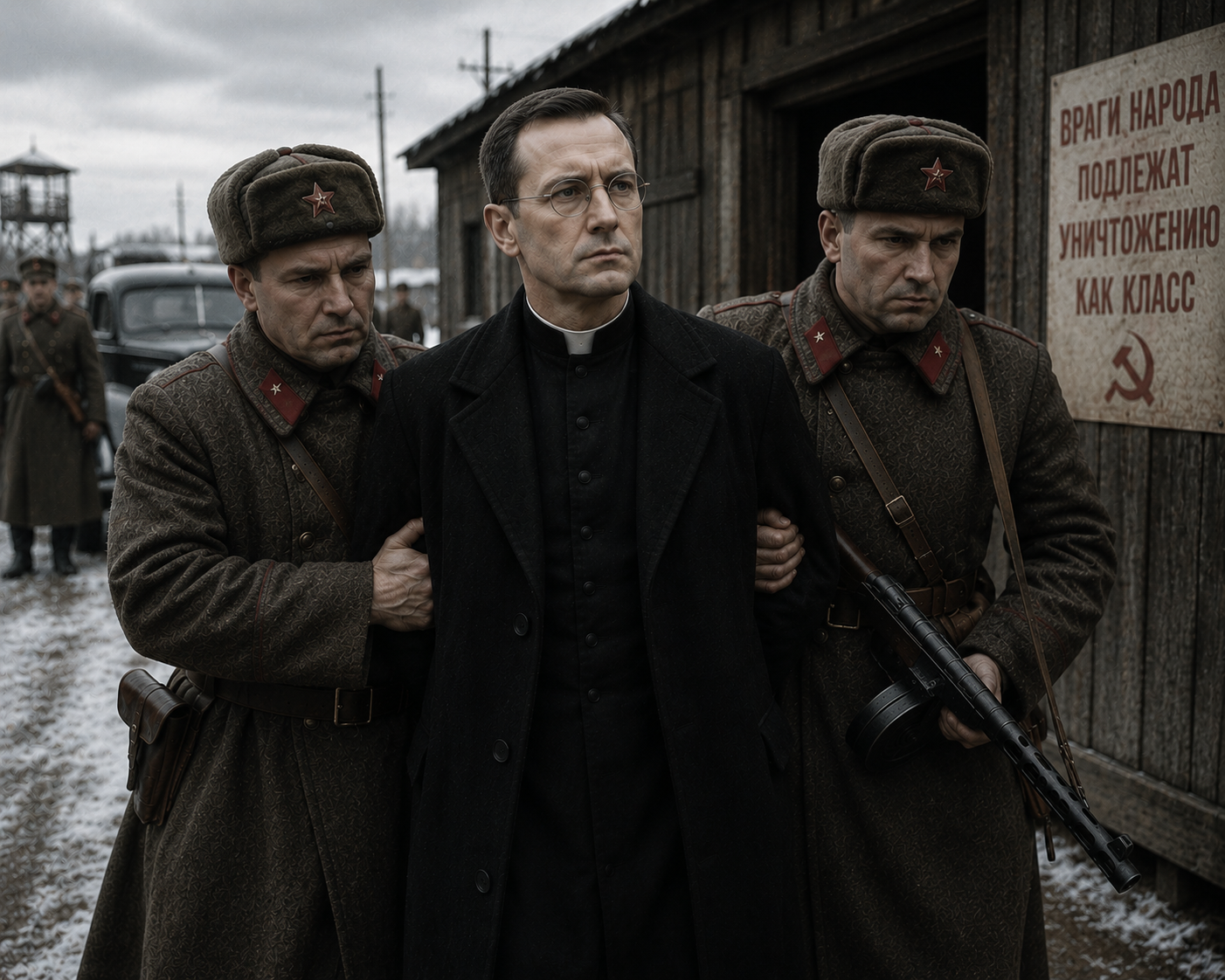
June 23, 1941 - Father Walter Ciszek Arrested
On June 23, 1941, just one day after Nazi Germany launched its invasion of the Soviet Union, Jesuit priest Father Walter J. Ciszek was arrested by Soviet authorities in eastern Russia. The arrest marked the beginning of one of the most remarkable stories of Christian perseverance under Communist persecution in the twentieth century.
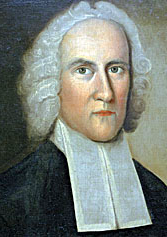
June 22, 1750 - Jonathan Edwards Dismissed from Northampton Congregational Church
June 22, 1750, marked a surprising turning point in the life of one of America’s most influential theologians. Jonathan Edwards is widely regarded as one of the chief catalysts of the First Great Awakening, the wave of religious revival that swept through the American colonies during the 1730s and 1740s. His sermons emphasized humanity’s need for repentance, the sovereignty of God, and the necessity of genuine conversion. Though best known today for his sermon “Sinners in the Hands of an Angry God,” Edwards was equally concerned with cultivating authentic Christian faith within the church.
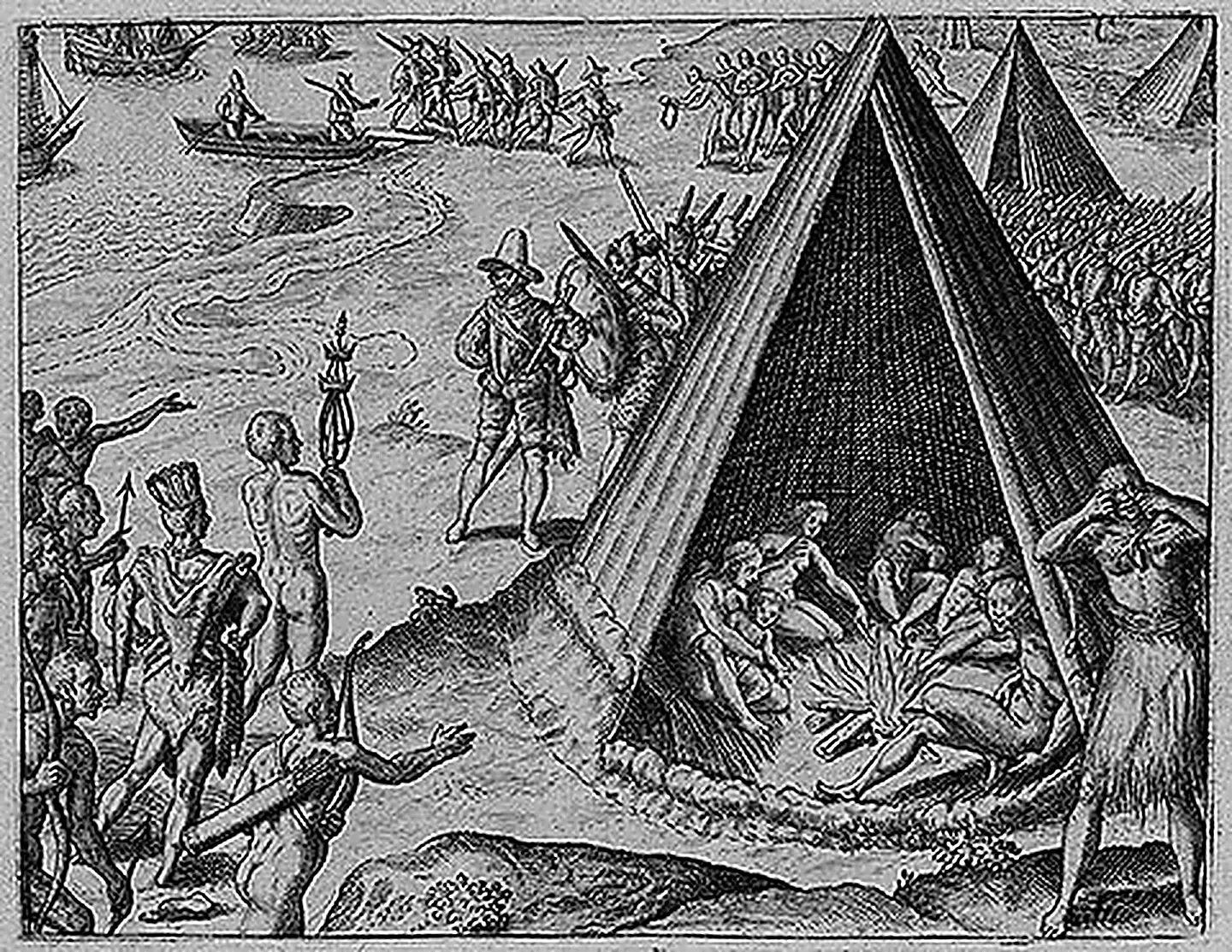
June 21, 1579 - Sir Francis Drake Lands in Modern-Day California
One of the earliest recorded Protestant worship services in what would later become the United States may have taken place on this day. English explorer Sir Francis Drake was nearing the end of his famous circumnavigation of the globe when his expedition landed along the Pacific coast of present-day California, likely near what is now known as Drakes Bay. There, Drake claimed the region for England under the name “New Albion.”
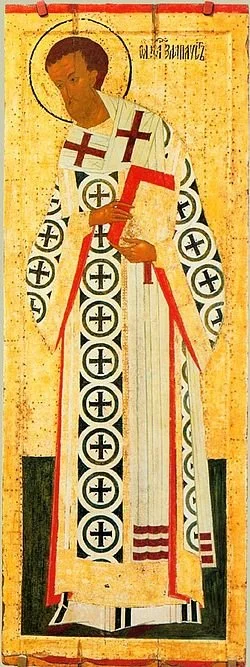
June 20, 404 - John Chrysostom Exiled from Church in Constantinople
Few figures in early Christian history combined theological brilliance and moral courage as clearly as John Chrysostom. Known as the “Golden-Mouthed” preacher because of his extraordinary eloquence, Chrysostom served as Archbishop of Constantinople and became one of the most influential voices of the early church. His sermons on Scripture shaped Christian theology for centuries, and both Eastern Orthodox and Western churches continue to honor him as a saint and Doctor of the Church.
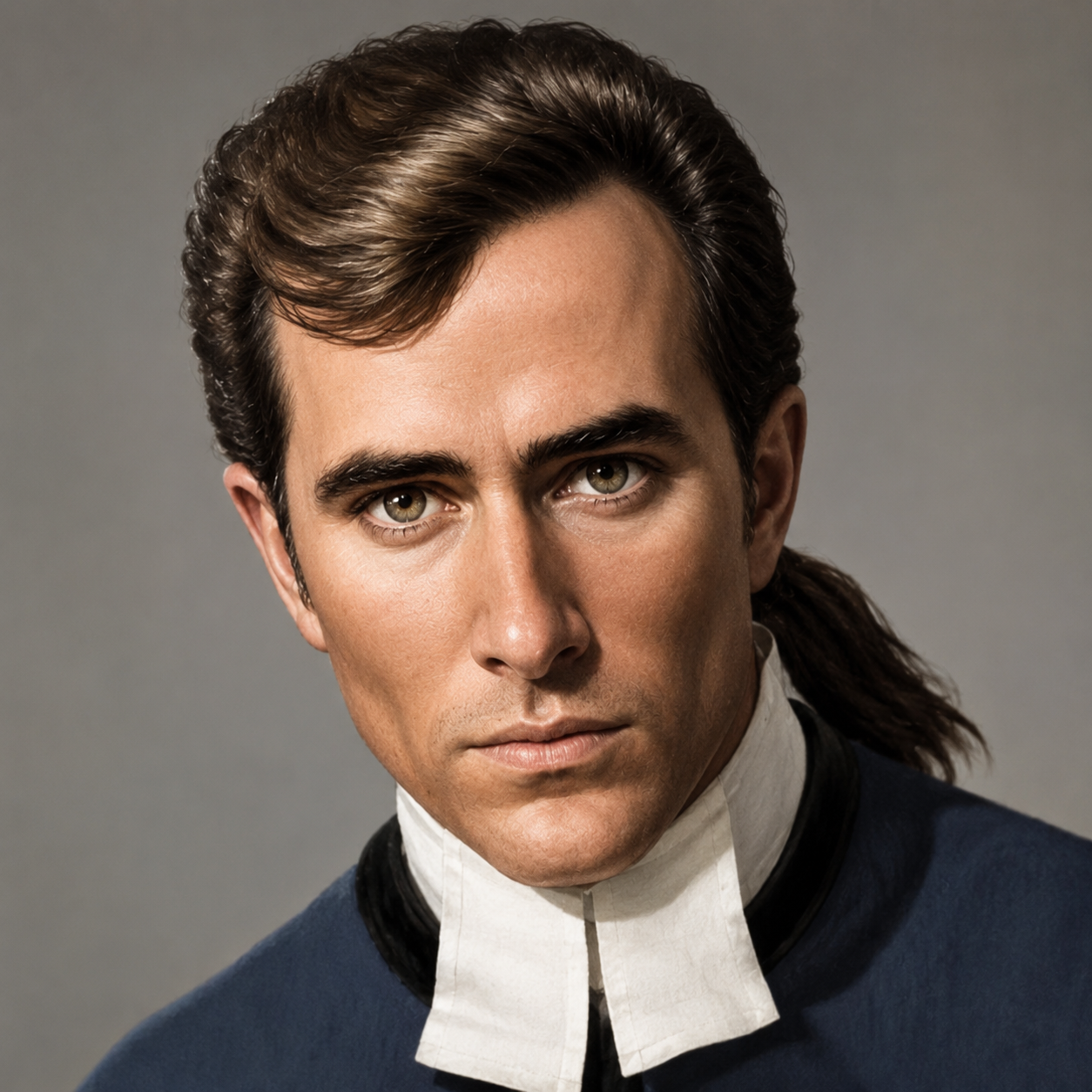
June 19, 1745 - David Brainerd Embarks on First Missionary Journey
Few missionaries have left a greater spiritual legacy than David Brainerd. On June 19, 1745, Brainerd began what would become his most significant missionary journey among Native American peoples in the northeastern colonies, particularly in present-day New Jersey and Pennsylvania. Though often plagued by illness and hardship, Brainerd devoted himself to sharing the gospel with Indigenous communities such as the Delaware Indians.
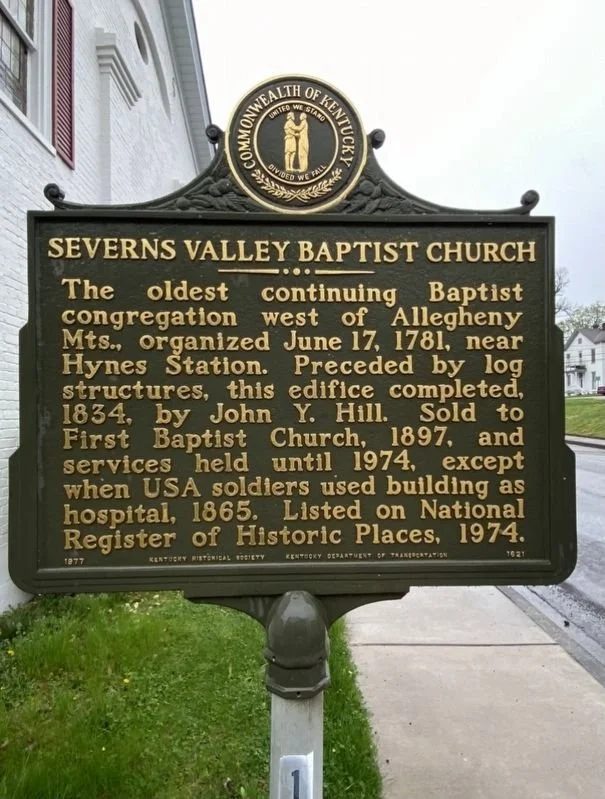
June 18, 1781 - Severns Valley Baptist Church Founded
On the Kentucky frontier, churches were often among the first institutions settlers established, providing not only places of worship but also centers of community life. One of the earliest and most enduring of these was Severns Valley Baptist Church, founded on June 18, 1781, near present-day Elizabethtown, Kentucky. Historians generally recognize it as the oldest Baptist church in Kentucky and the oldest evangelical church established west of the Allegheny Mountains.
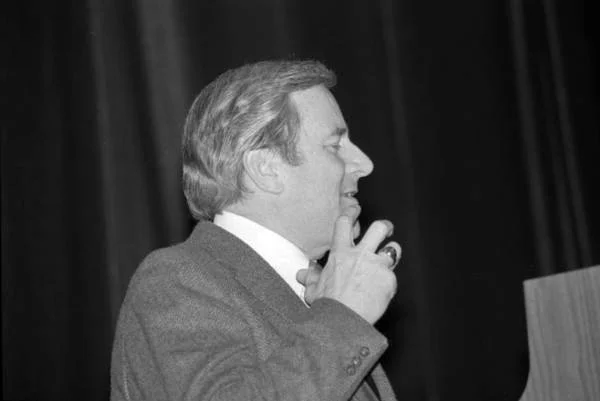
June 17, 1956 - Jerry Falwell Establishes Thomas Road Baptist Church
On June 17, 1956, Jerry Falwell founded Thomas Road Baptist Church in Lynchburg, Virginia. The church began with a small congregation, but it quickly became the center of Falwell’s growing ministry. He served as pastor of Thomas Road Baptist for more than fifty years, remaining there until his death in 2007.
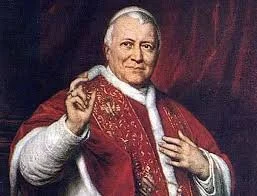
June 16, 1846 - Giovanni Maria Mastai Ferretti Named Pope Pius IX
On June 16, 1846, the cardinals of the Roman Catholic Church elected Giovanni Maria Mastai-Ferretti as Pope. Taking the name Pius IX, he would go on to become one of the most influential and controversial popes in church history. His pontificate lasted more than thirty-one years, making it the longest verified papal reign in history and one that reshaped Roman Catholic theology and governance in profound ways.
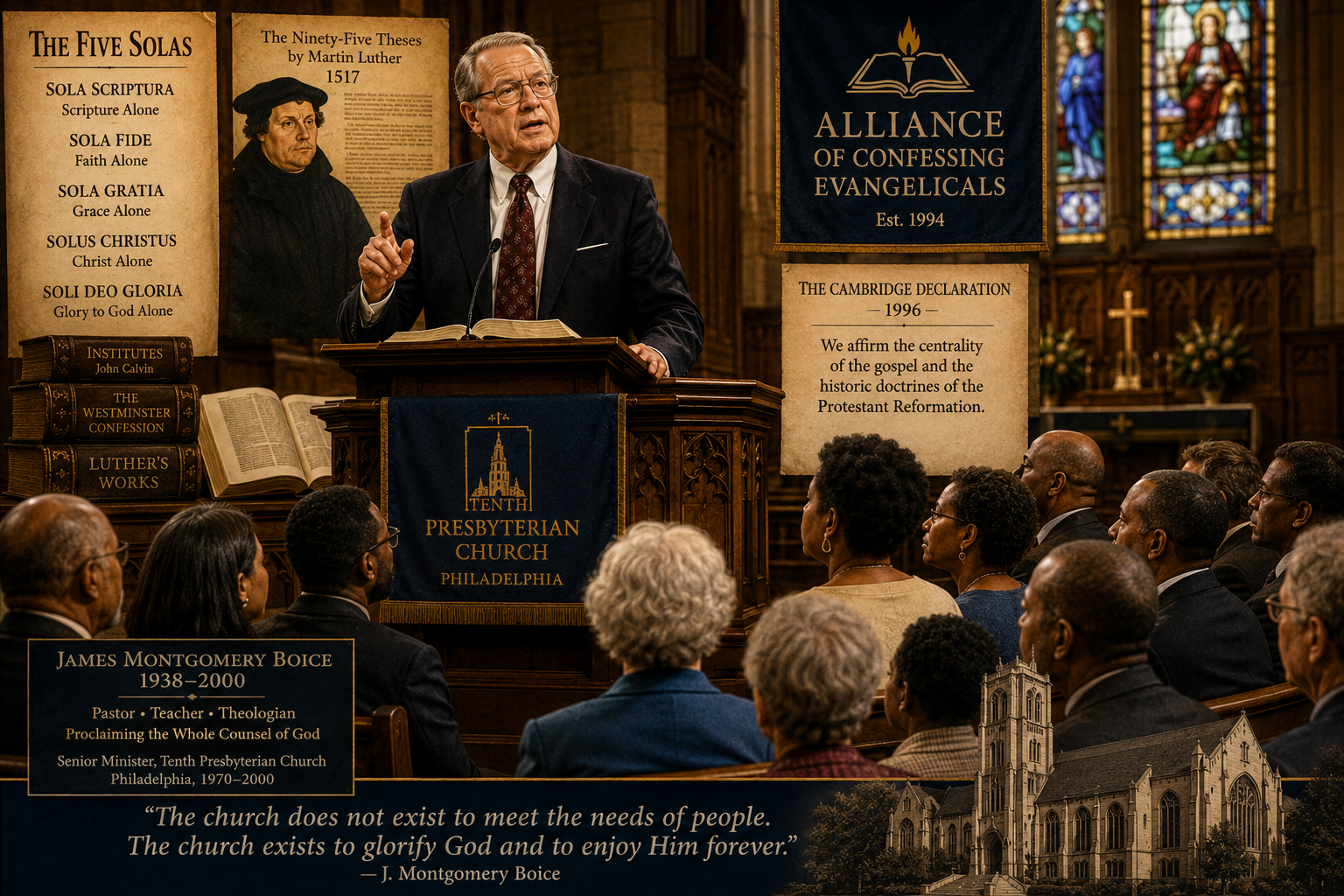
June 15, 2000 - Dr. James Montgomery Boice
When pastor and theologian James Montgomery Boice died on June 15, 2000, evangelicalism lost one of its most influential defenders of biblical authority and Reformed theology. As senior minister of Tenth Presbyterian Church in Philadelphia for more than thirty years, Boice became known for expository preaching, theological clarity, and an unwavering commitment to the doctrines of the Protestant Reformation.
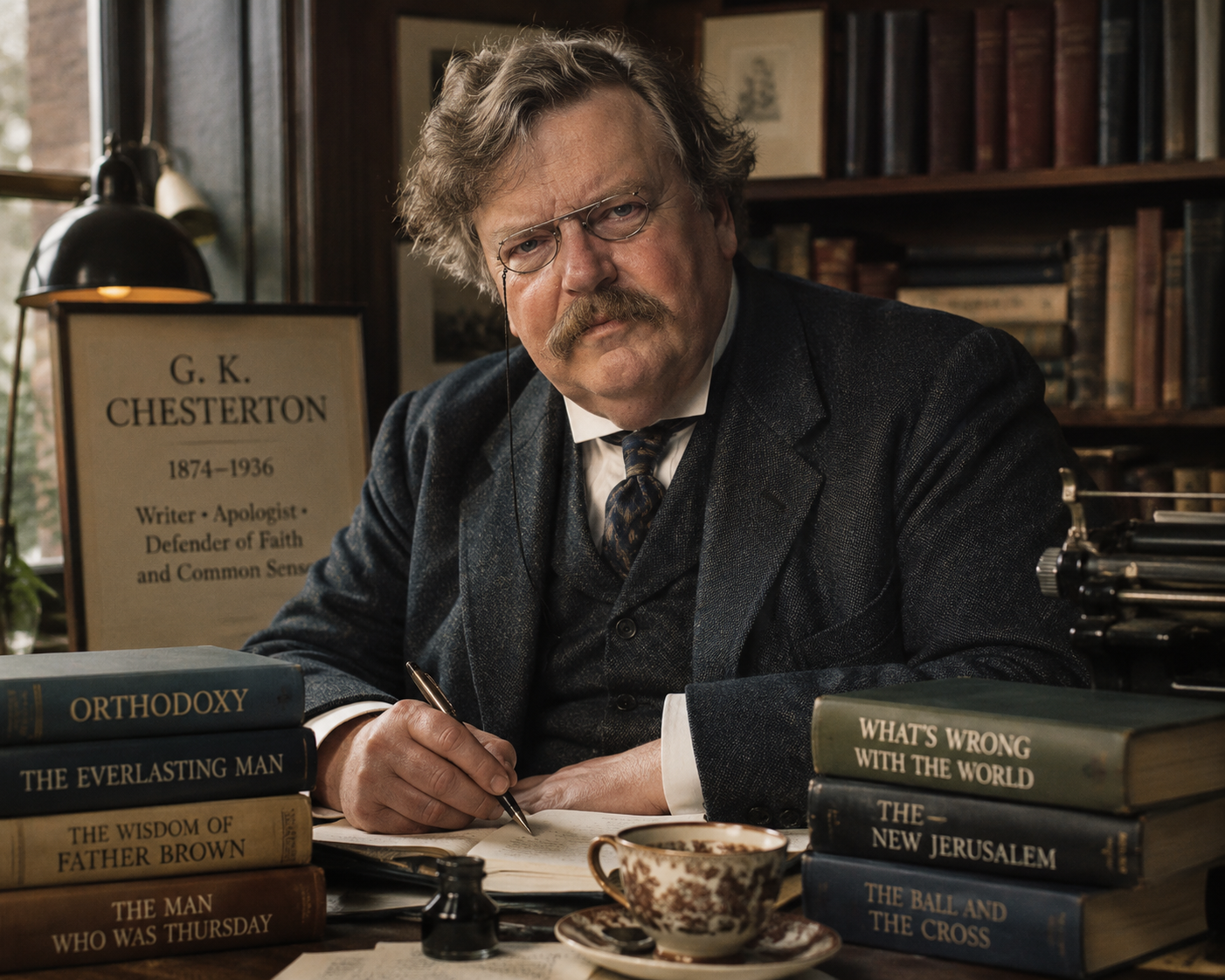
June 14, 1936 - Prolific Author G. K. Chesterton Dies
One of the most influential Christian writers of the twentieth century was G. K. Chesterton. A master of wit, paradox, and clear thinking, Chesterton produced an astonishing body of work that included more than one hundred books, hundreds of short stories, and thousands of essays. His writings ranged from theology and philosophy to literary criticism and detective fiction, making him one of the most versatile authors of his age.
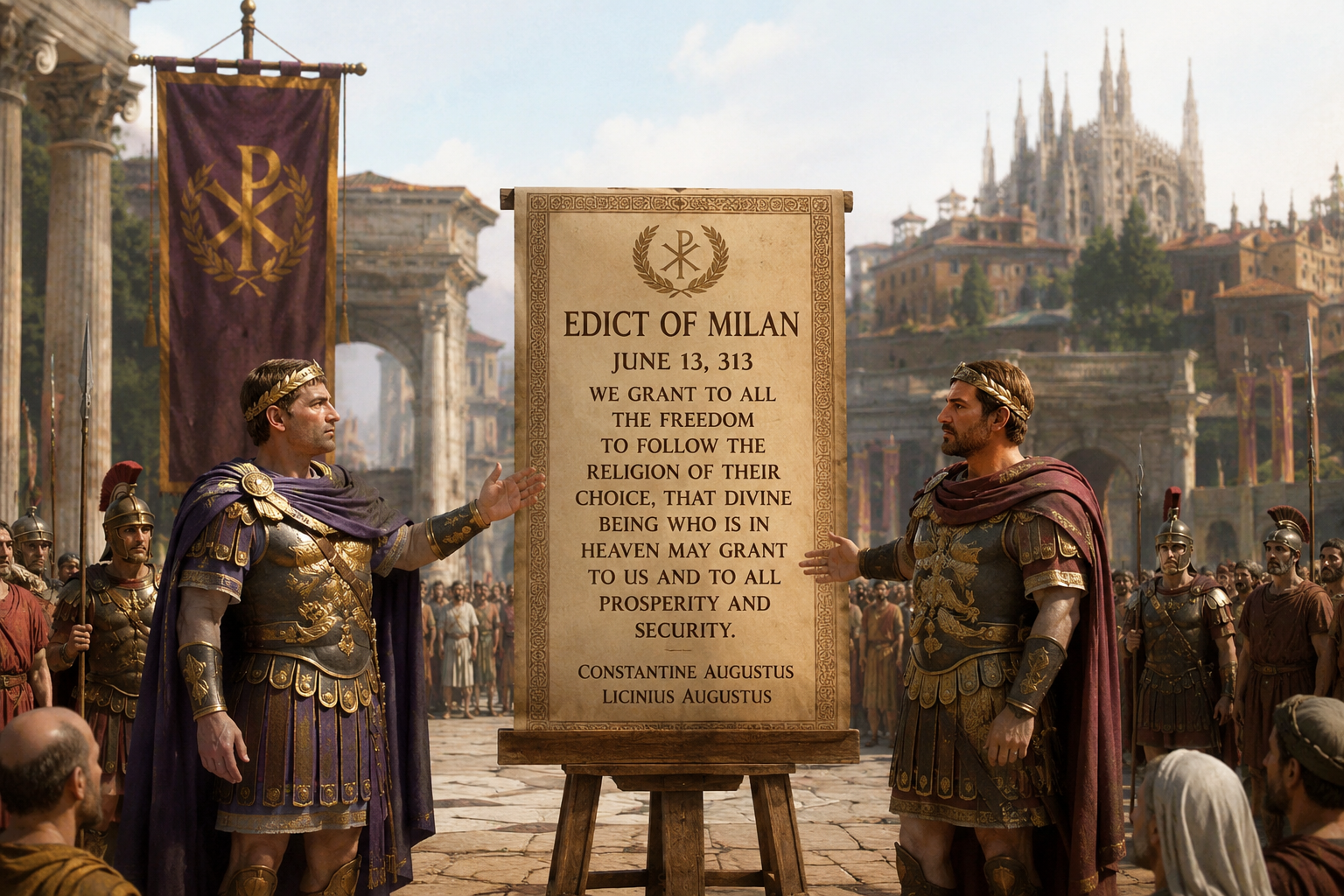
June 13, 313 - The Edict of Milan Issued
In 313, Constantine I and Licinius issued a proclamation that established religious tolerance throughout the Roman Empire. For Christians, this was an enormous change. For generations, many believers had faced suspicion, legal pressure, imprisonment, property seizure, and at times violent persecution. The Edict of Milan did not make Christianity the official religion of Rome, but it did give Christians legal protection and the freedom to worship openly.
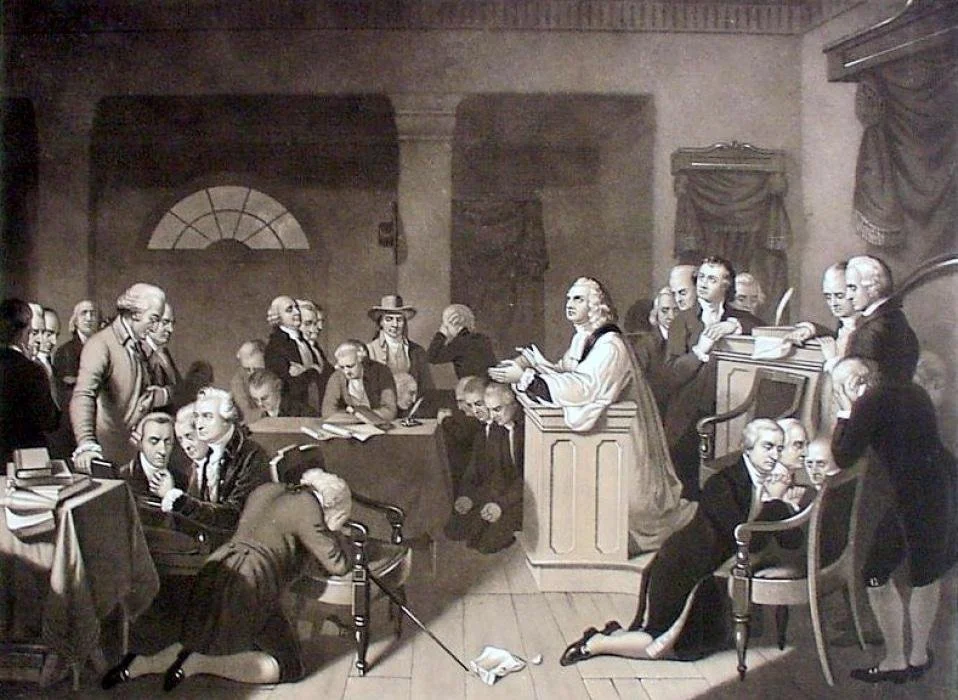
June 12, 1775 - Continental Congress Urges Colonists to Pray
The American Revolution had barely begun when the leaders of the colonies turned to prayer. Less than two months after the battles of Lexington and Concord, the Continental Congress proclaimed June 12, 1775, as a day of “humiliation, fasting, and prayer.” Delegates urged colonists to seek God’s forgiveness, ask for His protection, and pray for wisdom as they faced an uncertain future.