

Christian History Today
Resources for your journey through the exploration of Christian History.
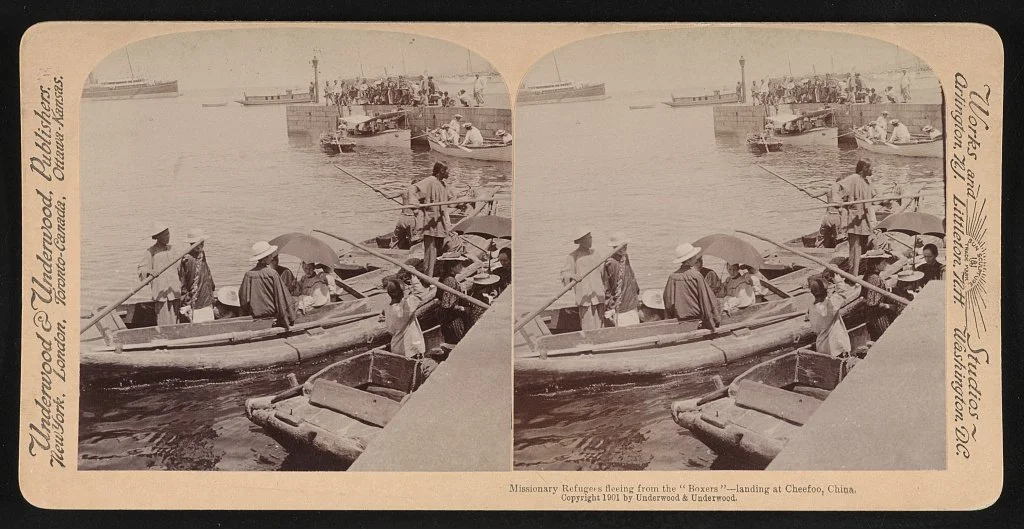
August 30, 1900 - Willie and Helen Peat Killed
One of the most violent outbreaks of anti-Christian persecution in modern history occurred during the Boxer Rebellion in China. Beginning in 1899, members of the secret society known as the "Boxers" sought to rid China of foreign influence, targeting diplomats, merchants, missionaries, and Chinese Christians. Fueled by economic hardship, drought, resentment toward foreign powers, and growing nationalism, the movement spread rapidly across northern China. By 1900, many local officials and elements of the Qing government were supporting or tolerating the violence.
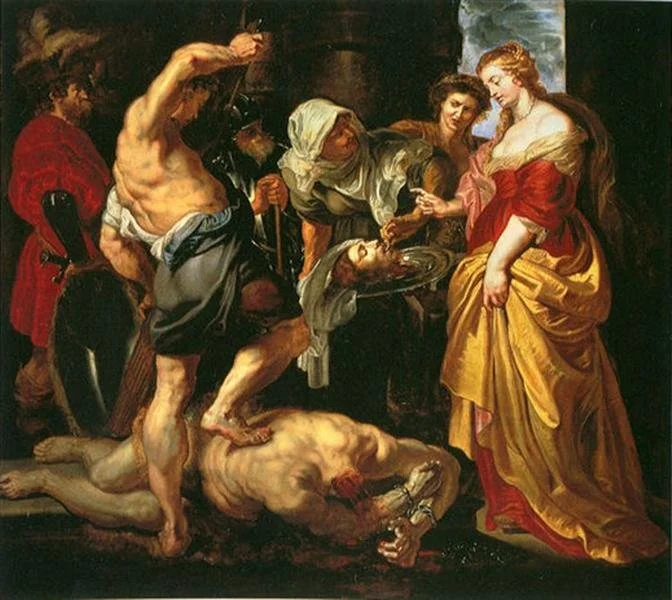
August 29, 29 AD - John the Baptist Beheaded
John the Baptist's imprisonment and execution became one of the earliest examples of a faithful believer suffering because he refused to compromise God's moral standards. According to the Gospels, John publicly condemned the marriage of Herod Antipas to Herodias, who had previously been married to Herod's brother. His bold rebuke led to John's imprisonment.
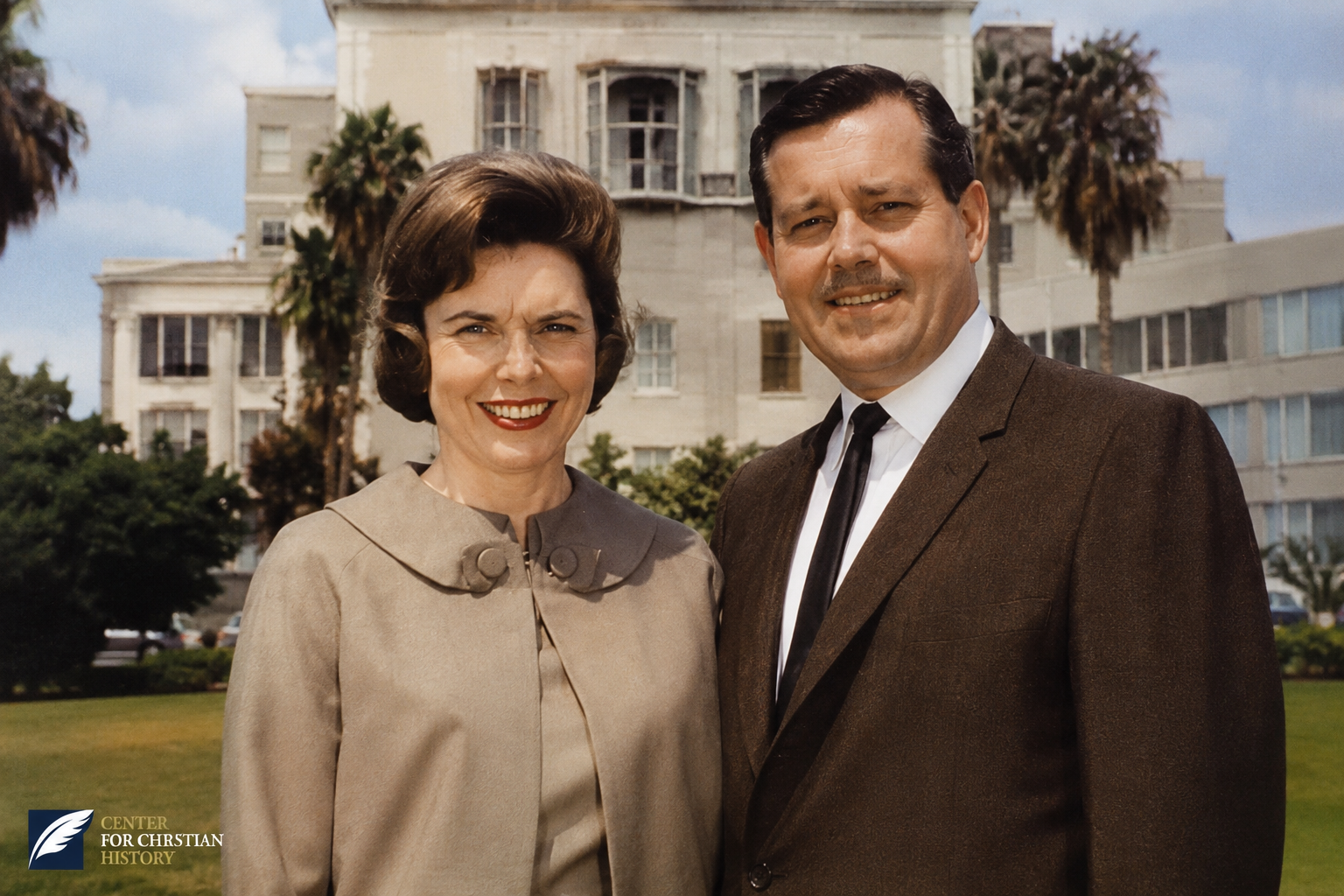
August 28, 1953 - Campus Ministry “Cru” Incorporated
Campus Crusade for Christ—known today as Cru—grew out of a commitment made by Oklahoma couple Bill and Vonette Bright. In early 1951, they wrote and signed a personal covenant dedicating their lives to God's service and promising to follow wherever they believed He led them. Two years later, on August 28, 1953, Campus Crusade for Christ was officially incorporated.
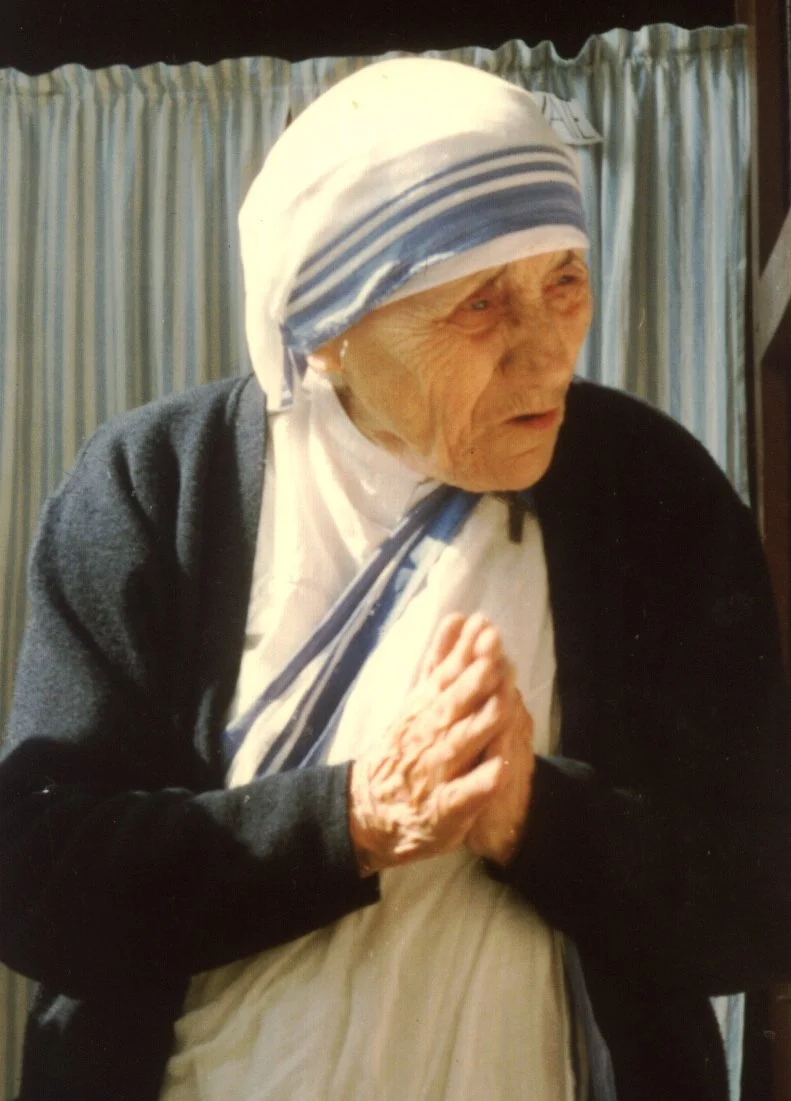
August 27, 1910 - Mother Teresa Born
Few modern Christians have become as widely recognized for serving the poor as Mother Teresa. Born Agnes Gonxha Bojaxhiu on August 27, 1910, in Skopje (then part of the Ottoman Empire; later within Yugoslavia and today the capital of North Macedonia), she felt called to religious life as a teenager. At age 18, she joined the Sisters of Loreto in Ireland, took the name Teresa, and soon departed for India, where she would spend nearly the rest of her life.
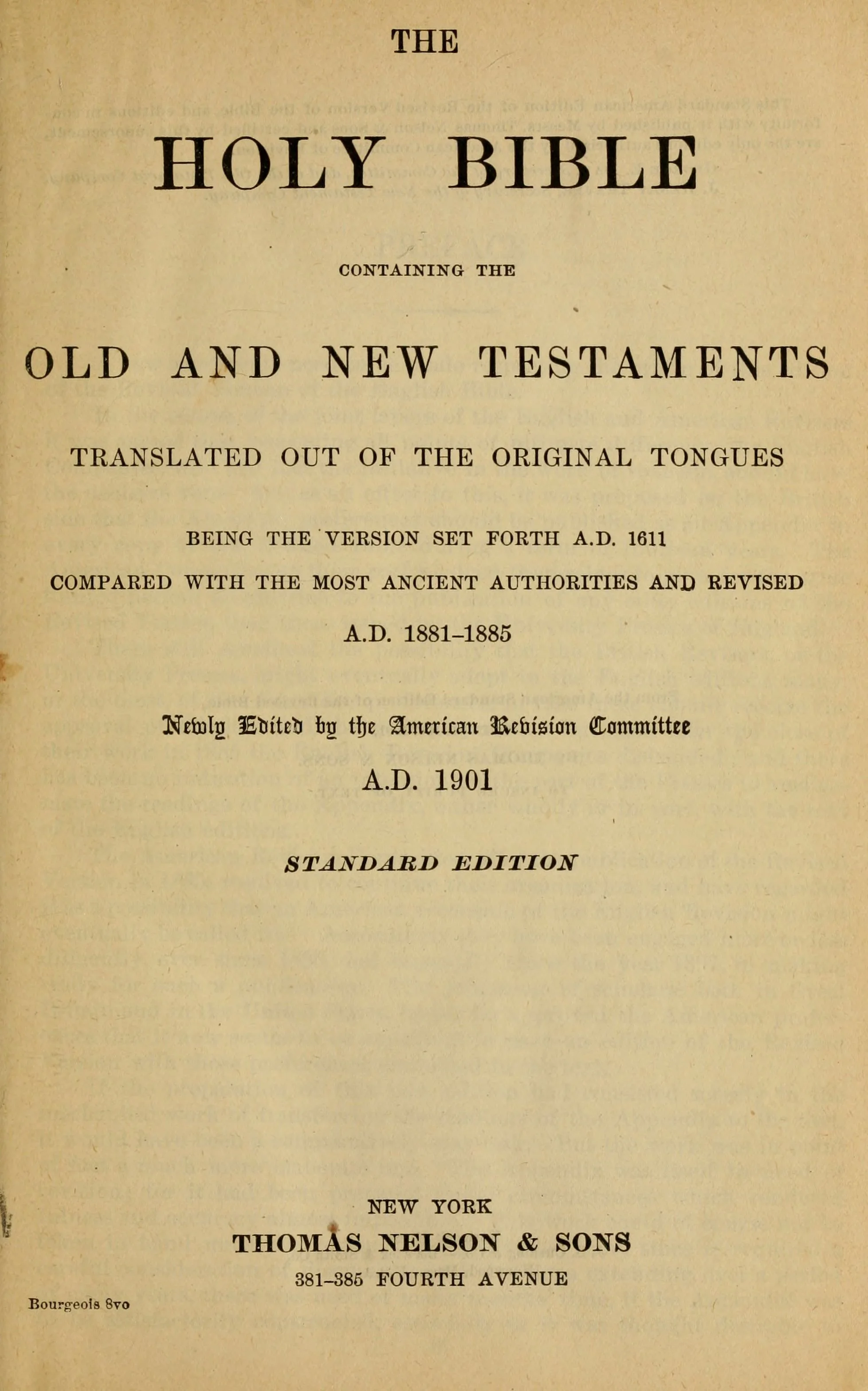
August 26, 1901 - American Standard Version Published
One of the most influential English Bible translations of the twentieth century was the American Standard Version (ASV), published on August 27, 1901. The ASV grew out of the English Revised Version (1881), which was the first major revision of the King James Version since its publication in 1611. American scholars who had participated in the revision process believed that some of their preferred readings had not been fully incorporated into the British edition. Their work was therefore published separately as the American Standard Version by Thomas Nelson & Sons.
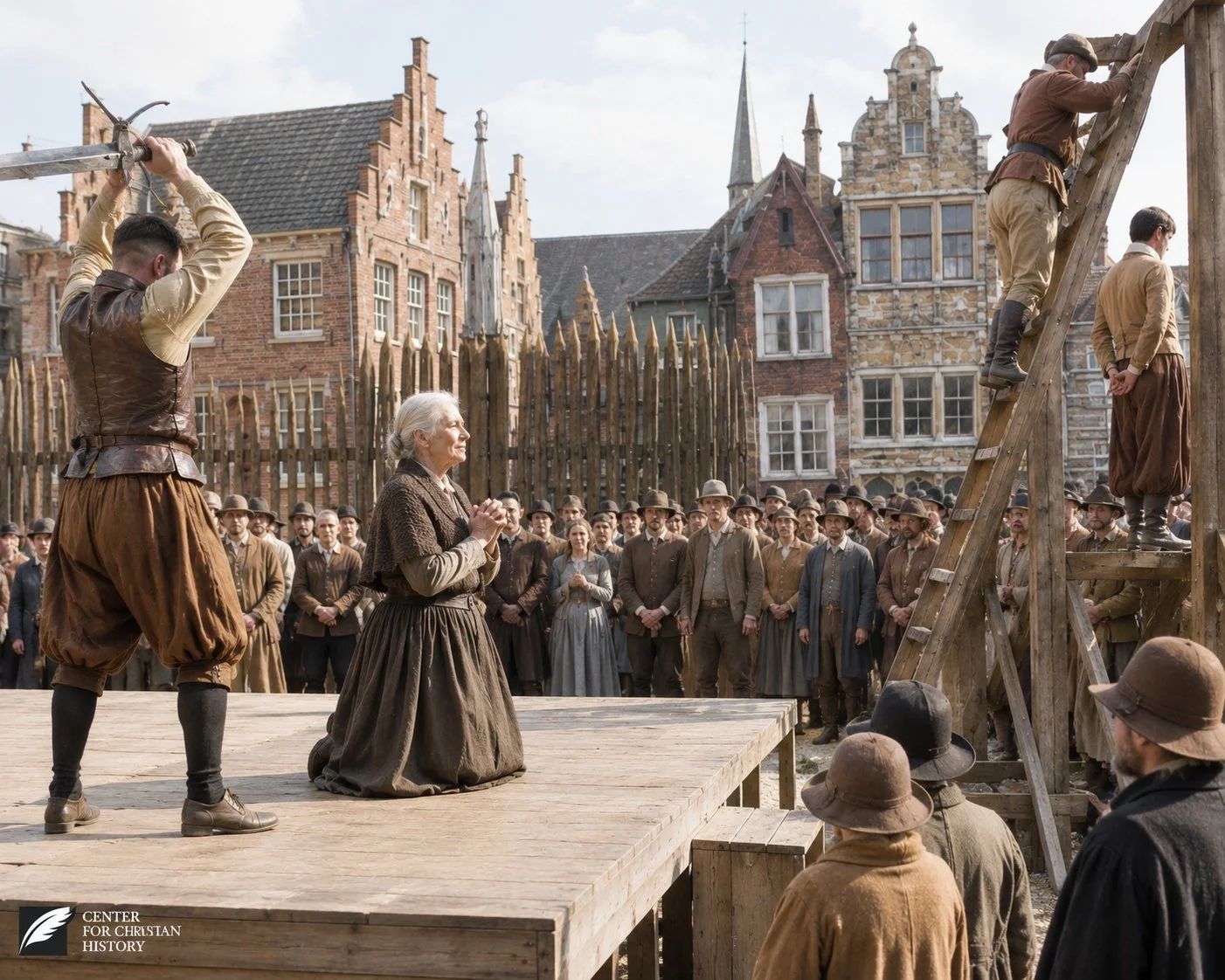
August 25, 1568 - Elizabeth Vander Kerk Executed
At 84 years old, Elizabeth Vander Kerk became one of the many victims of the religious turmoil that engulfed the Netherlands during the Reformation. On August 25, 1568, she was executed in Utrecht under the authority of the Duke of Alva, the Spanish governor sent by King Philip II to suppress Protestantism and rebellion in the Low Countries.
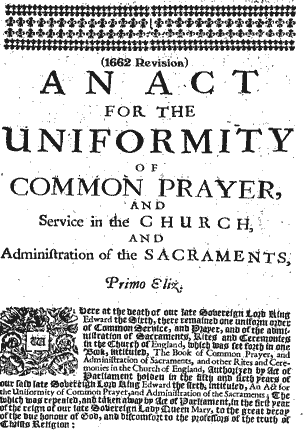
August 24, 1662 - Book of Common Prayer Instituted
The Act of Uniformity, passed by the English Parliament on May 19, 1662, required every minister serving in the Church of England to use the revised Book of Common Prayer and to publicly affirm conformity with its teachings and forms of worship. Those who refused would lose their positions and could face additional legal penalties. The deadline for compliance was August 24, 1662—St. Bartholomew's Day.
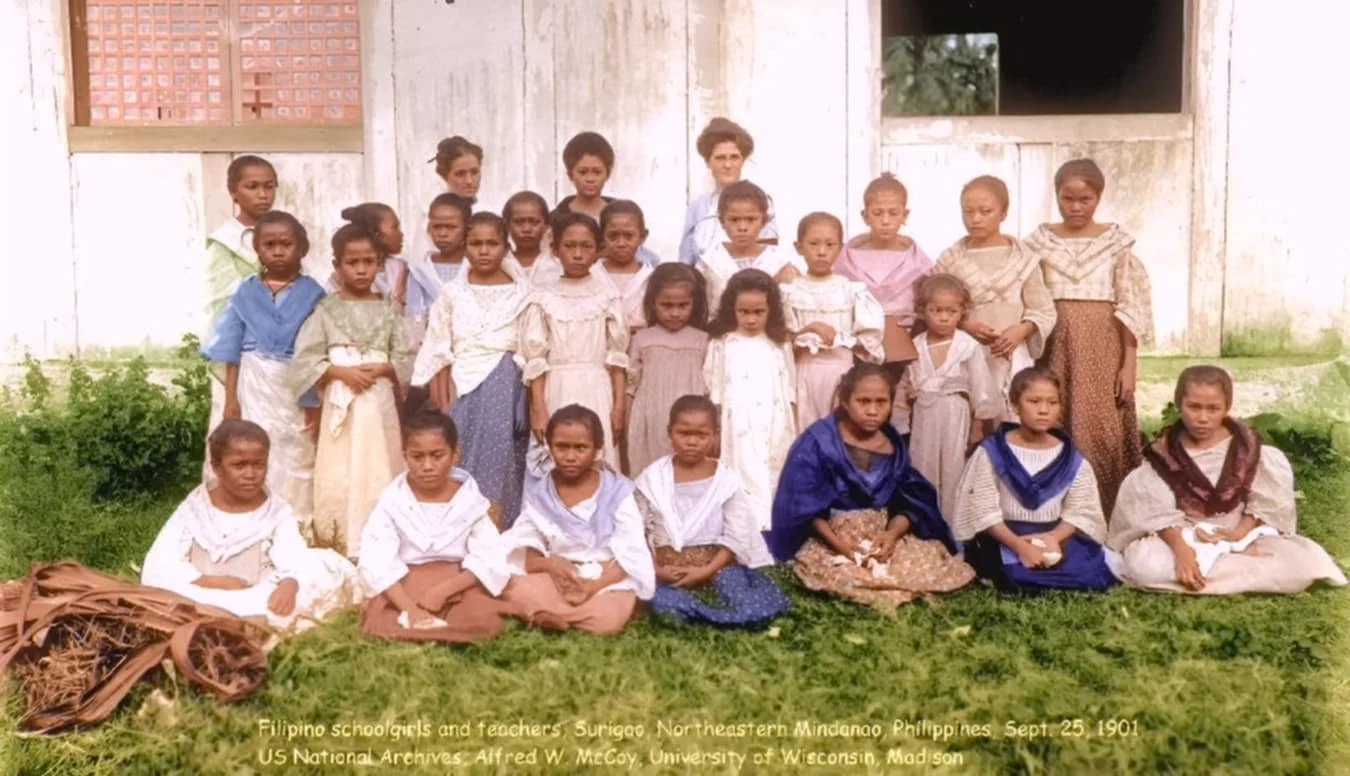
August 23, 1901 - Thomasites Arrive in the Philippines
Following the Spanish-American War, the United States acquired the Philippines from Spain in 1898 and established a new colonial government. One of its highest priorities was creating a modern public school system. On August 23, 1901, approximately 600 American teachers—later known as the "Thomasites" after the U.S. Army transport Thomas that carried most of them—arrived in Manila to begin that work. They joined several hundred teachers who had arrived earlier with the U.S. military, but the Thomasites became the best-known group because of the scale and organization of their mission.
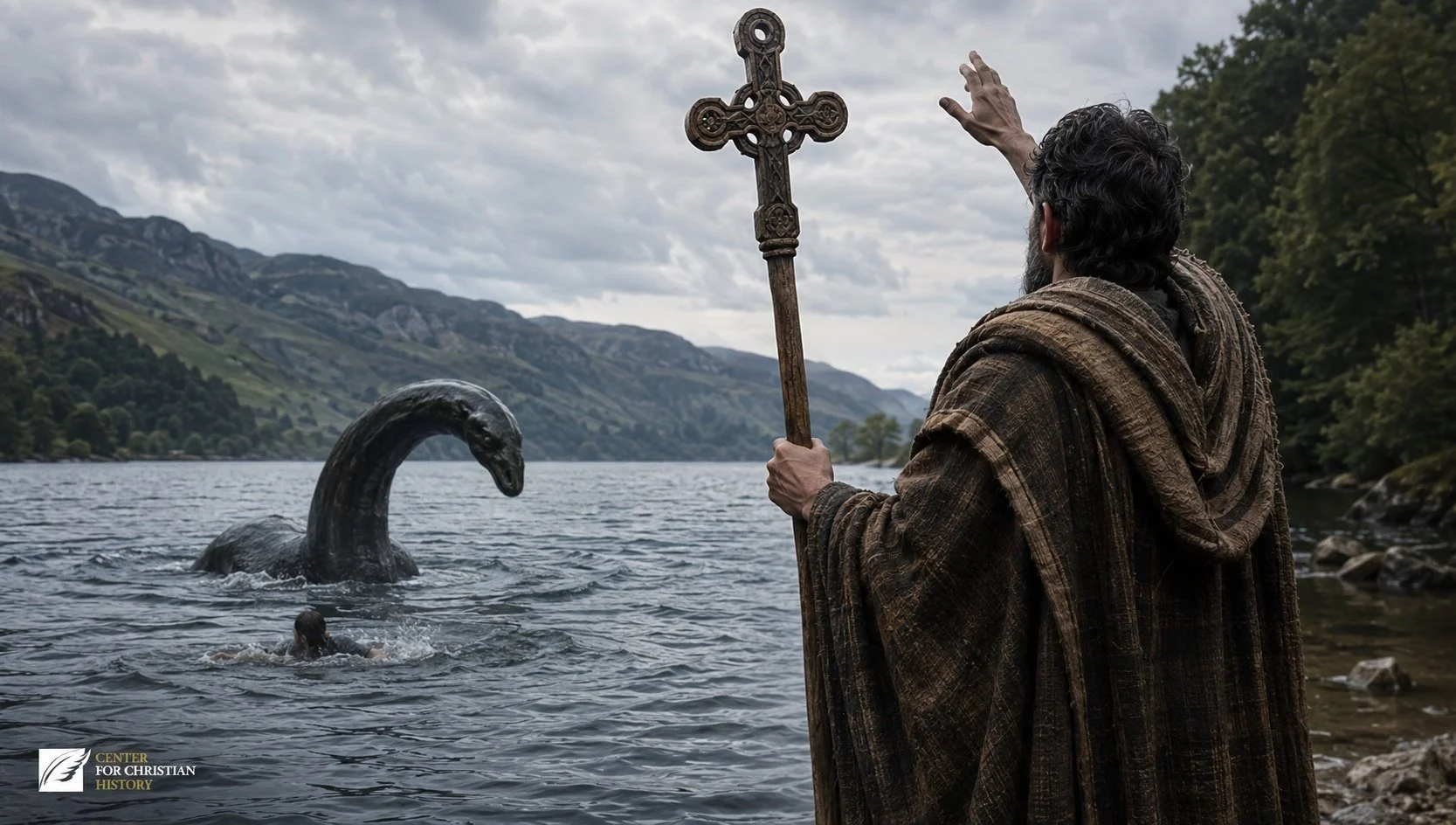
August 22, 556 - St. Columba “Encounters” the Loch Ness Monster
According to a biography written about a century after St. Columba’s death, the Irish missionary encountered a dangerous creature near the River Ness in Scotland. When the creature approached a swimmer, Columba reportedly commanded it to stop. At his voice, “the monster was terrified and fled more quickly than if it had been pulled back with ropes.” Tradition places the event on August 22, 556.
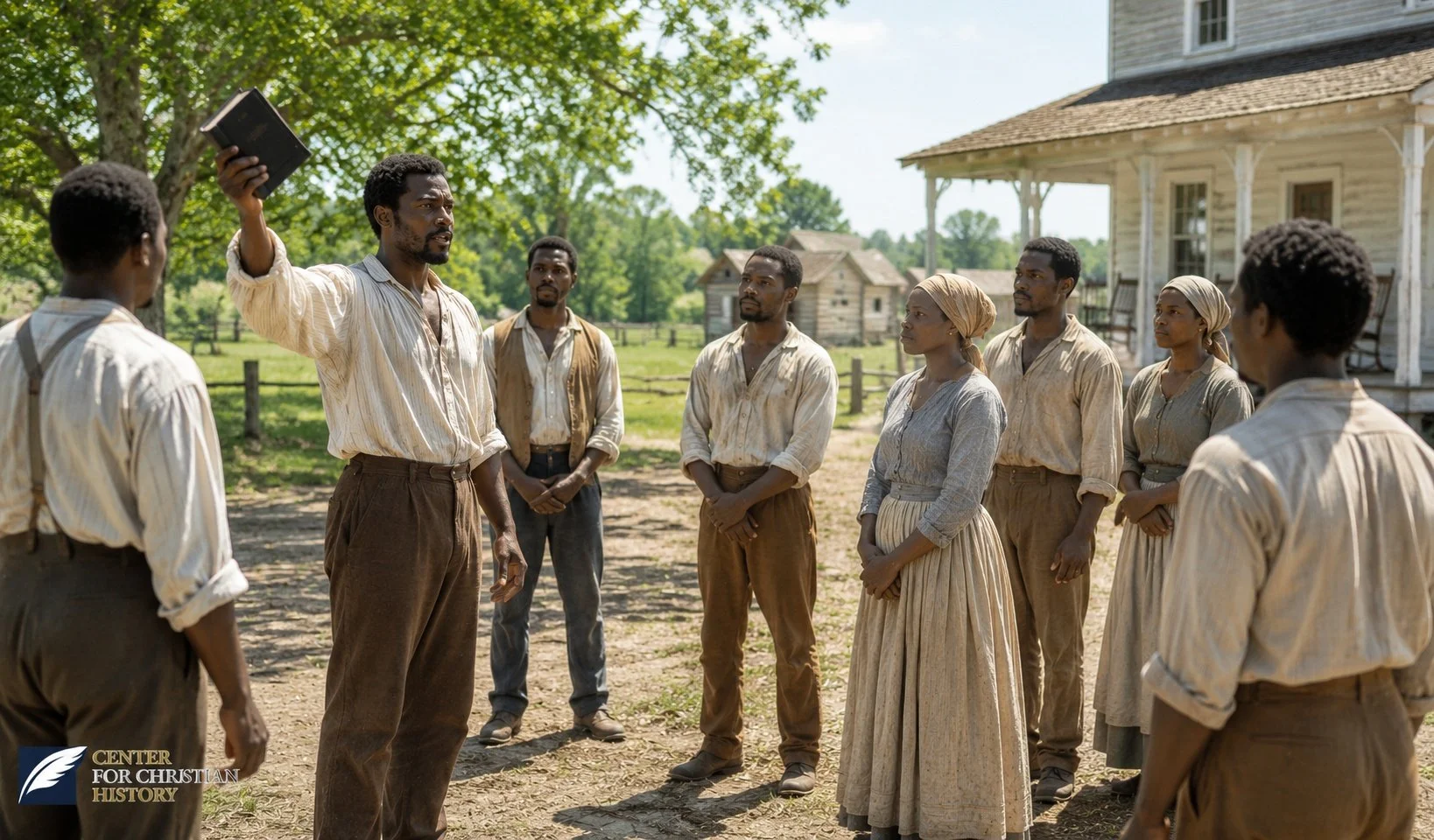
August 21, 1831 - Baptist Preacher Nat Turner’s Rebellion
One of the events in American history that generated significant debate among Christians was the rebellion led by Nat Turner. An enslaved Baptist preacher in Southampton County, Virginia, Turner believed God had called him to bring judgment upon the institution of slavery. Guided by visions and a deep conviction that he was carrying out a divine mission, he gathered a small group of followers and launched an uprising that began on August 21, 1831.
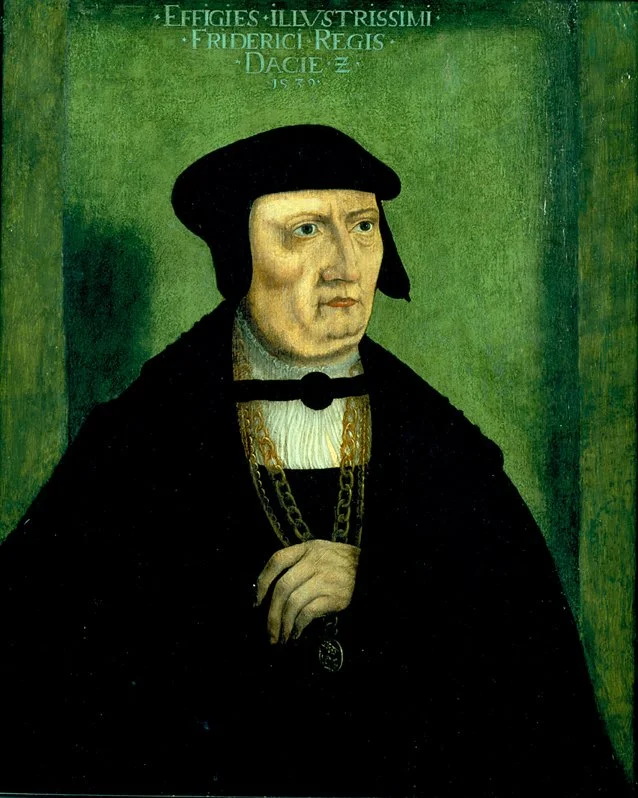
August 20, 1527 - King Frederik Allows Protestants to Enter Denmark
King Frederik I of Denmark began his reign by promising to uphold the Roman Catholic Church and prevent the spread of Martin Luther's teachings throughout his kingdom. Although Lutheran ideas had already begun circulating in Denmark through merchants, students, and preachers, the king initially assured Catholic leaders that he would suppress the growing Protestant movement.
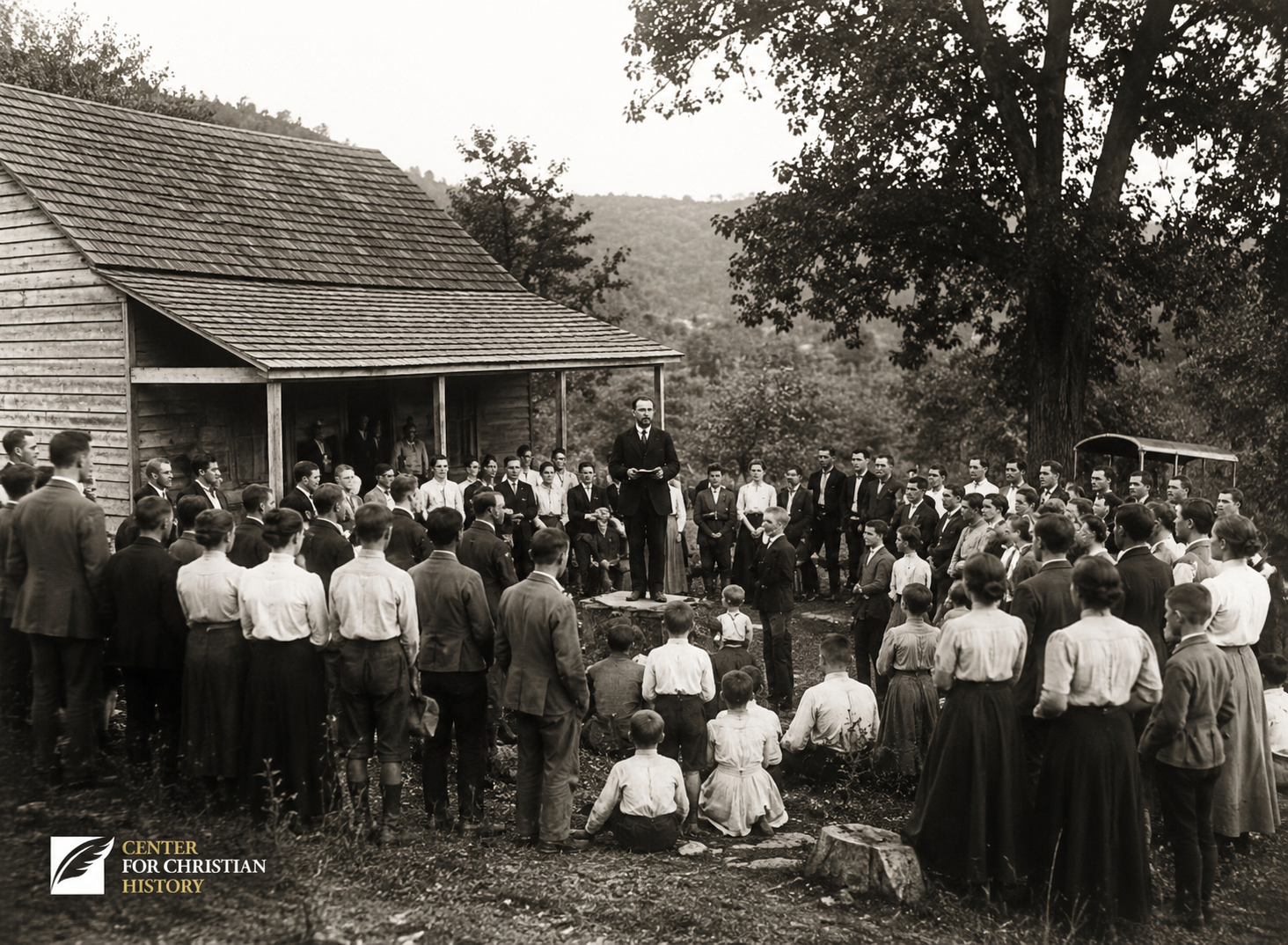
August 19, 1886 - Church of God Founded
John Bunyan is remembered as the author of The Pilgrim’s Progress, one of the most influential works of Christian literature ever written. Although he had little formal education, Bunyan became a gifted preacher whose unwavering commitment to proclaiming the Gospel placed him in direct conflict with the authorities of the Church of England. His refusal to stop preaching without a government license led to years of imprisonment, during which he began writing the allegorical masterpiece that would shape Christian thought for centuries.
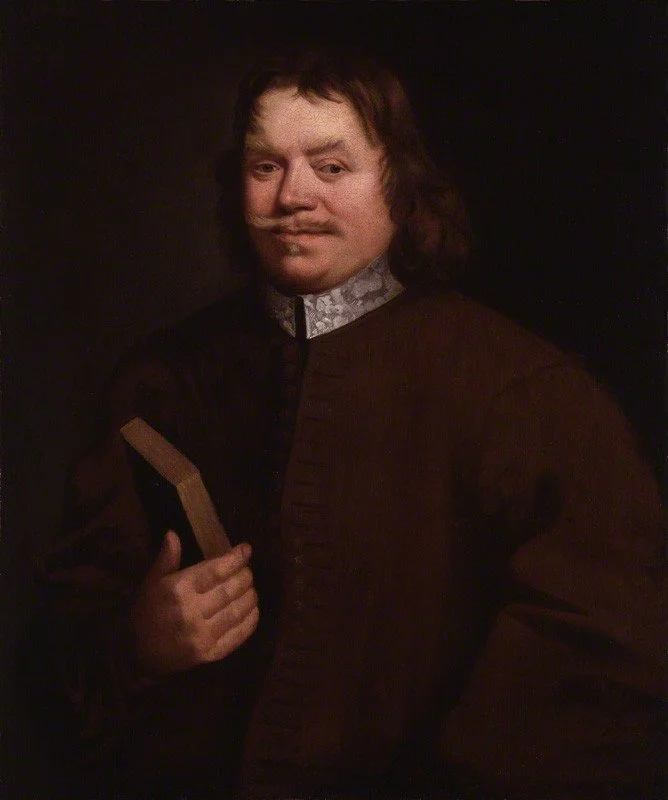
August 18, 1688 - John Bunyan Preaches Last Sermon
John Bunyan is remembered as the author of The Pilgrim’s Progress, one of the most influential works of Christian literature ever written. Although he had little formal education, Bunyan became a gifted preacher whose unwavering commitment to proclaiming the Gospel placed him in direct conflict with the authorities of the Church of England. His refusal to stop preaching without a government license led to years of imprisonment, during which he began writing the allegorical masterpiece that would shape Christian thought for centuries.
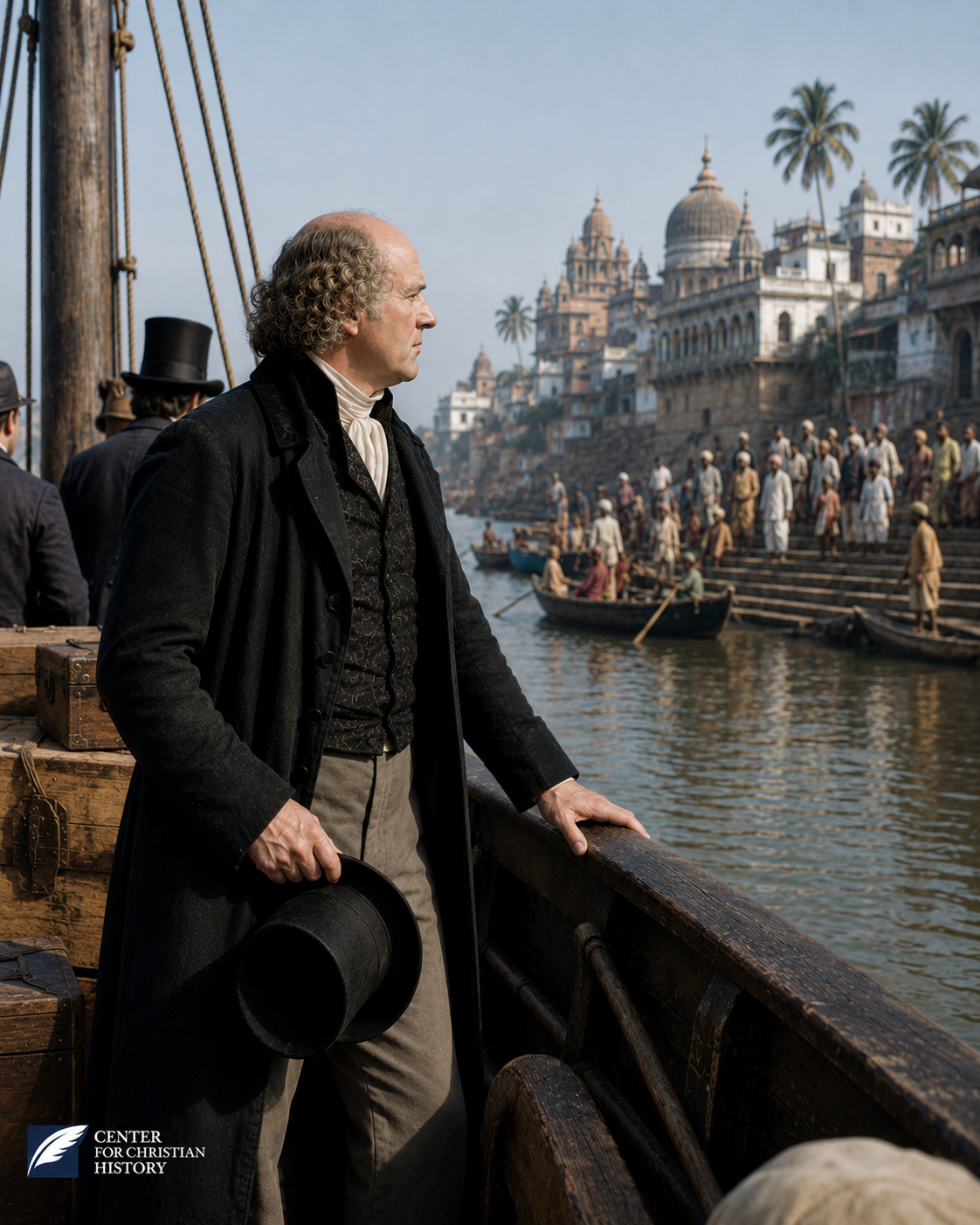
August 17, 1761 - William Carey Born
William Carey is often called the "father of modern missions" because he helped transform Protestant missions from isolated efforts into a coordinated global movement. Although he is best remembered for his work in India, his influence reached far beyond a single country and continues to shape missionary work around the world.
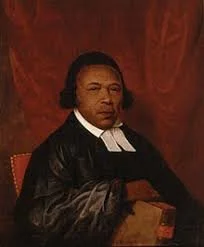
August 16, 1795 - Absalom Jones Becomes America’s First African American Episcopal Priest
Absalom Jones spent his life breaking barriers while demonstrating that Christian faith and service could transform both individuals and communities. Born into slavery in Sussex County, Delaware, in 1746, Jones purchased his wife's freedom before eventually earning his own. After settling in Philadelphia, he became a respected lay leader, committed to serving both the spiritual and physical needs of the city's growing free Black population.
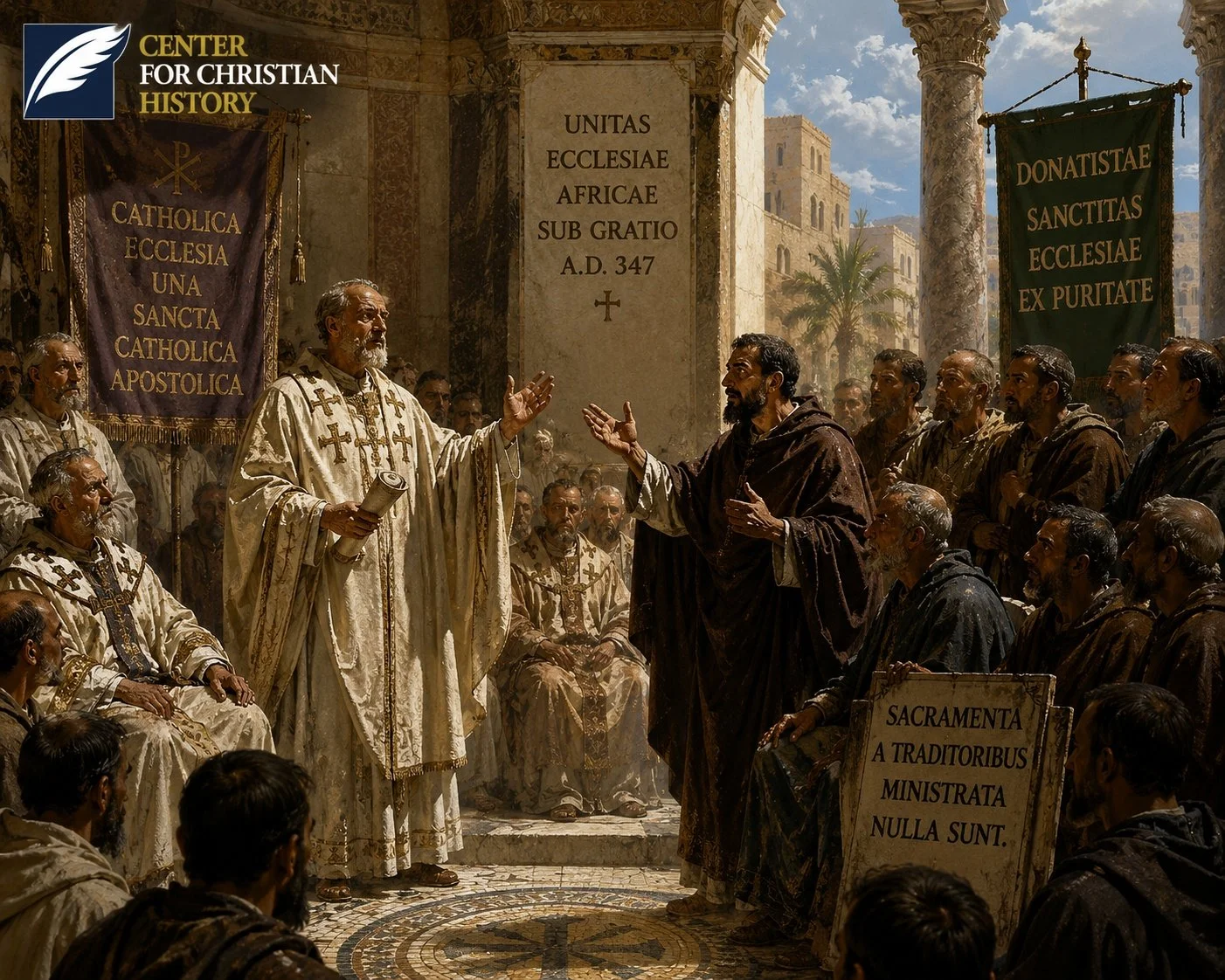
August 15, 347 - The Donatist Schism Begins to End
For decades, the churches of North Africa were divided by one of the earliest and most significant controversies in Christian history. Following the Roman persecutions under Emperor Diocletian, some Christians had renounced their faith or surrendered copies of the Scriptures to avoid execution. When the persecutions ended, a group known as the Donatists insisted that these believers—and especially clergy who had compromised—could never be restored to church leadership.
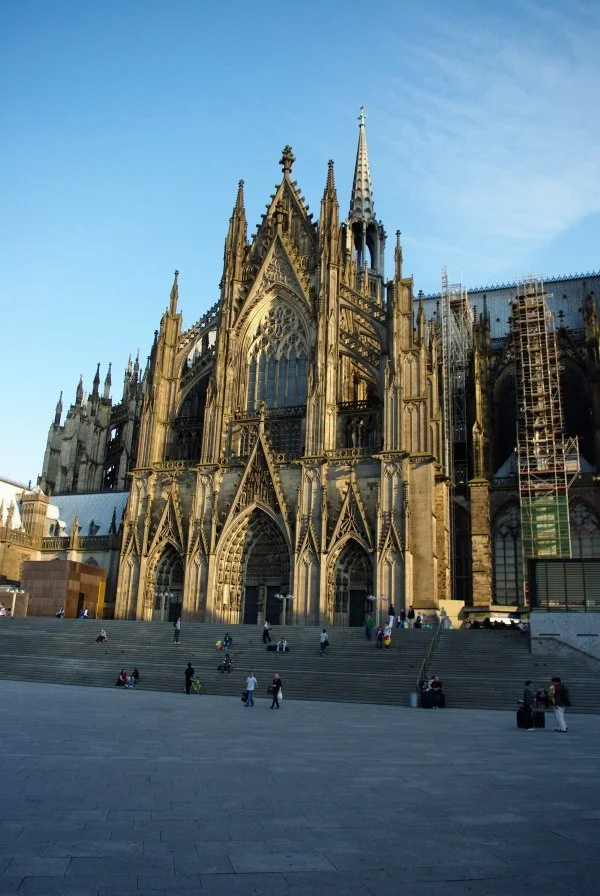
August 14, 1248 - Construction Begins on Cologne Cathedral
On August 14, 1248, construction began on what would become one of the greatest Gothic cathedrals ever built—Cologne Cathedral (Kölner Dom) in Cologne, Germany. Designed to inspire awe through its soaring architecture, stained-glass windows, and twin spires, the cathedral was intended to be a fitting shrine for one of medieval Christianity's most treasured relics: the traditional remains of the Three Magi, or Wise Men, believed to have visited the infant Jesus.
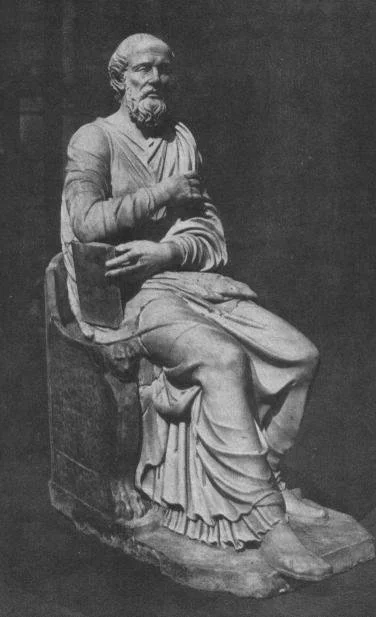
August 13, 236 - Hippolytus Martyred
Hippolytus of Rome is remembered as one of the most important defenders of Christian orthodoxy during the early third century. At a time when Gnostic teachers were spreading ideas that denied essential biblical truths, Hippolytus wrote extensively to expose their errors and defend the apostolic faith. His most famous work, Refutation of All Heresies, carefully examined and challenged many of the false teachings that threatened the early church.
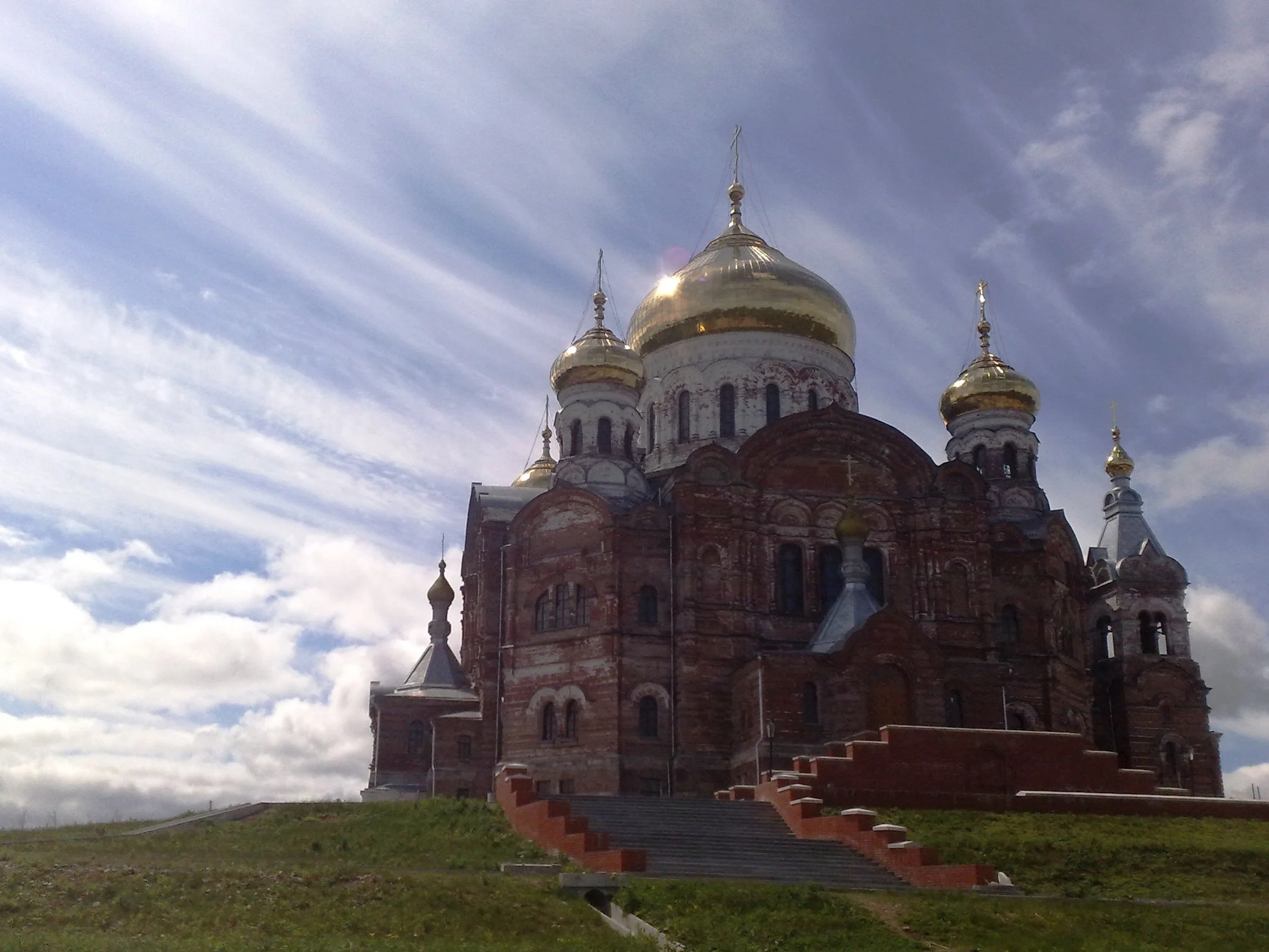
August 12, 1918 - Hieromonk Vyacheslav Martyred
The Russian Revolution brought sweeping political change, but it also unleashed one of the most intense periods of religious persecution in modern history. Among the many victims was Hieromonk Vyacheslav, the spiritual father of the Belogorsk Monastery in the Perm region of Russia. On August 12, 1918, Bolshevik authorities arrested him as part of their campaign to suppress religious influence and eliminate those viewed as opponents of the new communist regime.
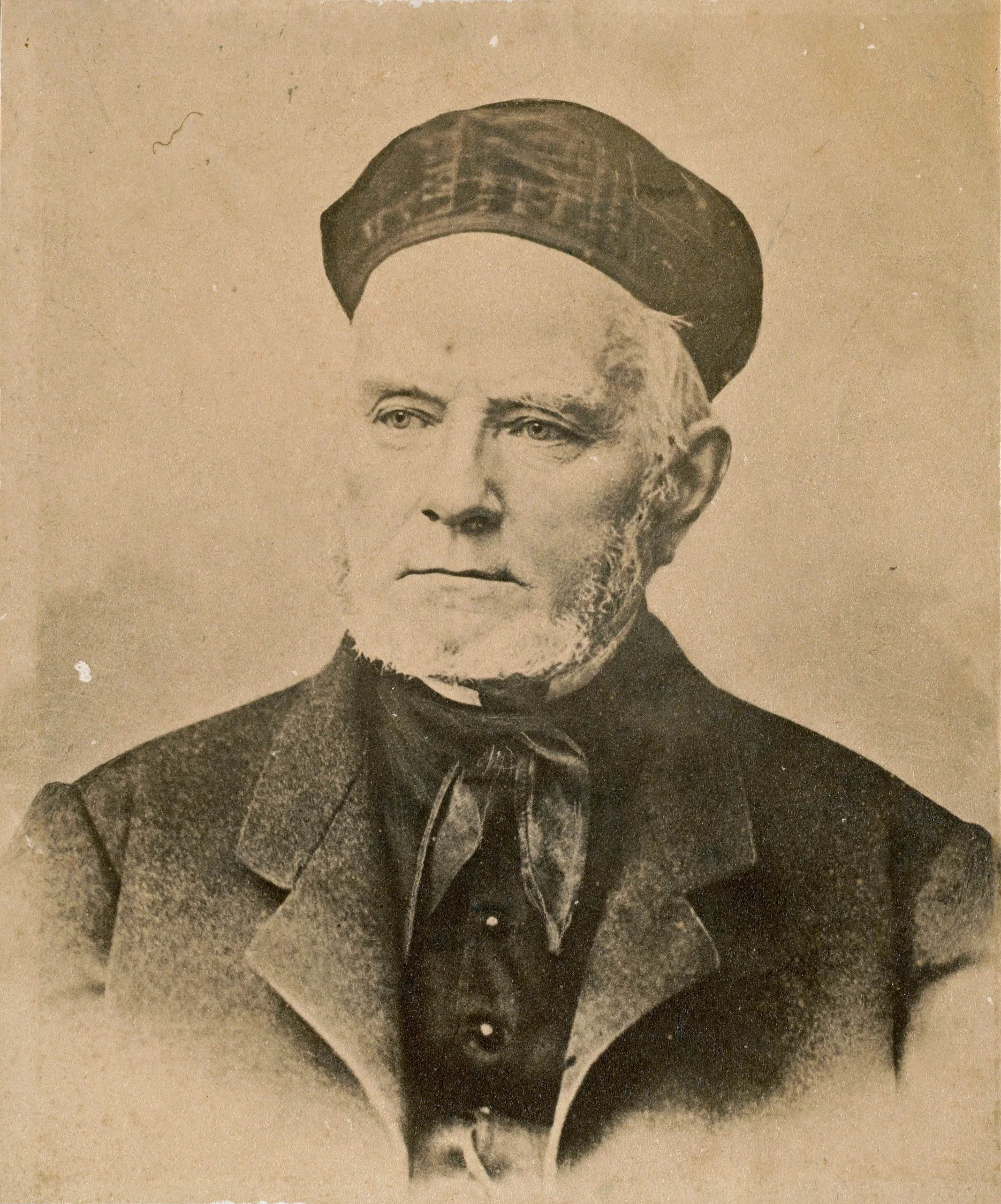
August 11, 1872 - Dr. Lowell Mason Dies
Lowell Mason helped shape the sound of American worship long before church music became a formal profession. Although he began his career as a bank clerk in Savannah, Georgia, his passion for music steadily drew him into ministry and education. Over time, he became one of the most influential figures in American sacred music, earning the title “Father of American Church Music.”