

Christian History Today
Resources for your journey through the exploration of Christian History.
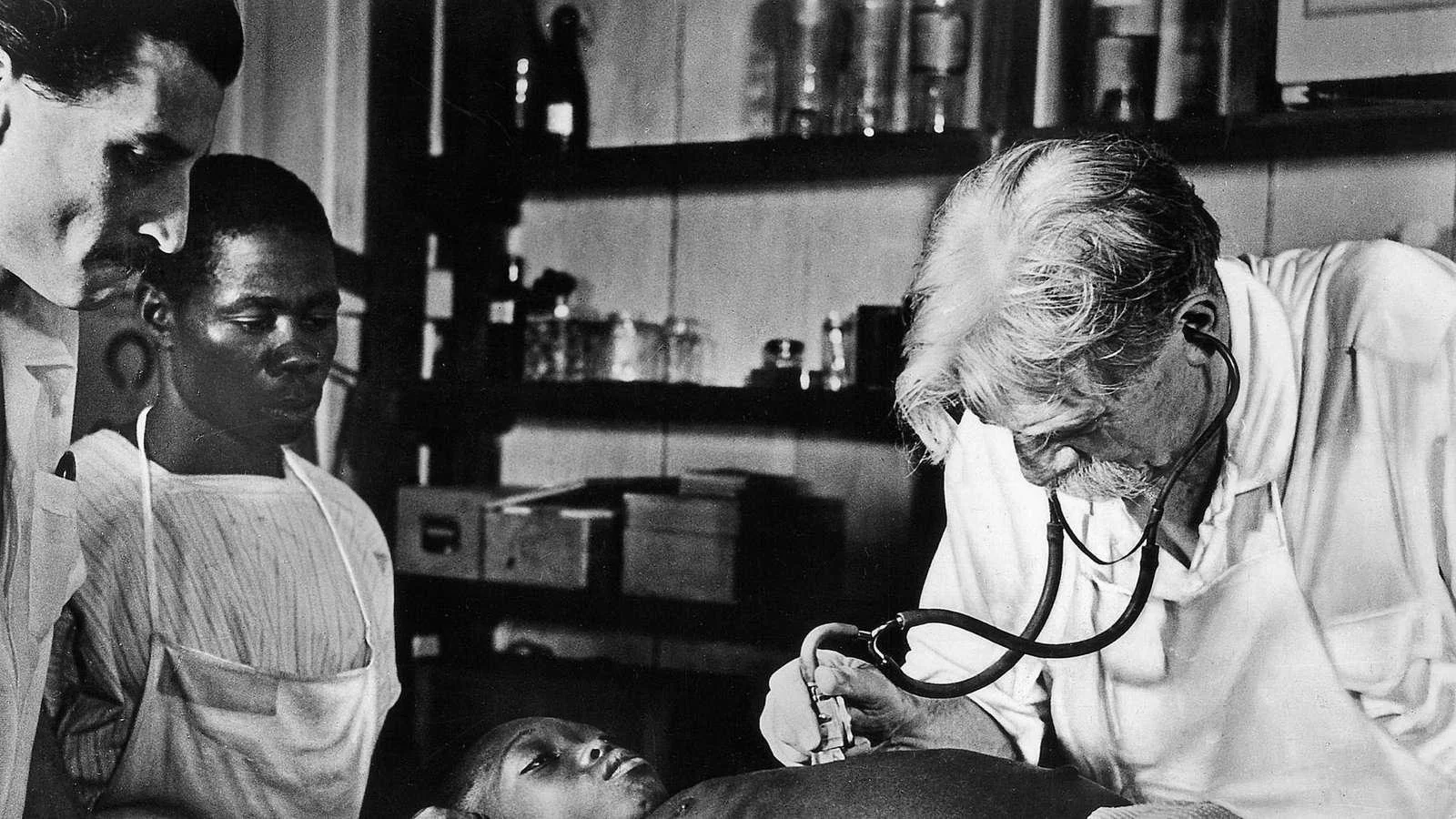
July 21, 1900 - Albert Schweitzer Licensed for Ministry
Few Christian figures of the twentieth century are as admired—or as debated—as Albert Schweitzer. On this day, Schweitzer was officially licensed for ministry in the Lutheran Church after completing his theological education. At the time, he was already recognized as an exceptionally gifted scholar, musician, and pastor.
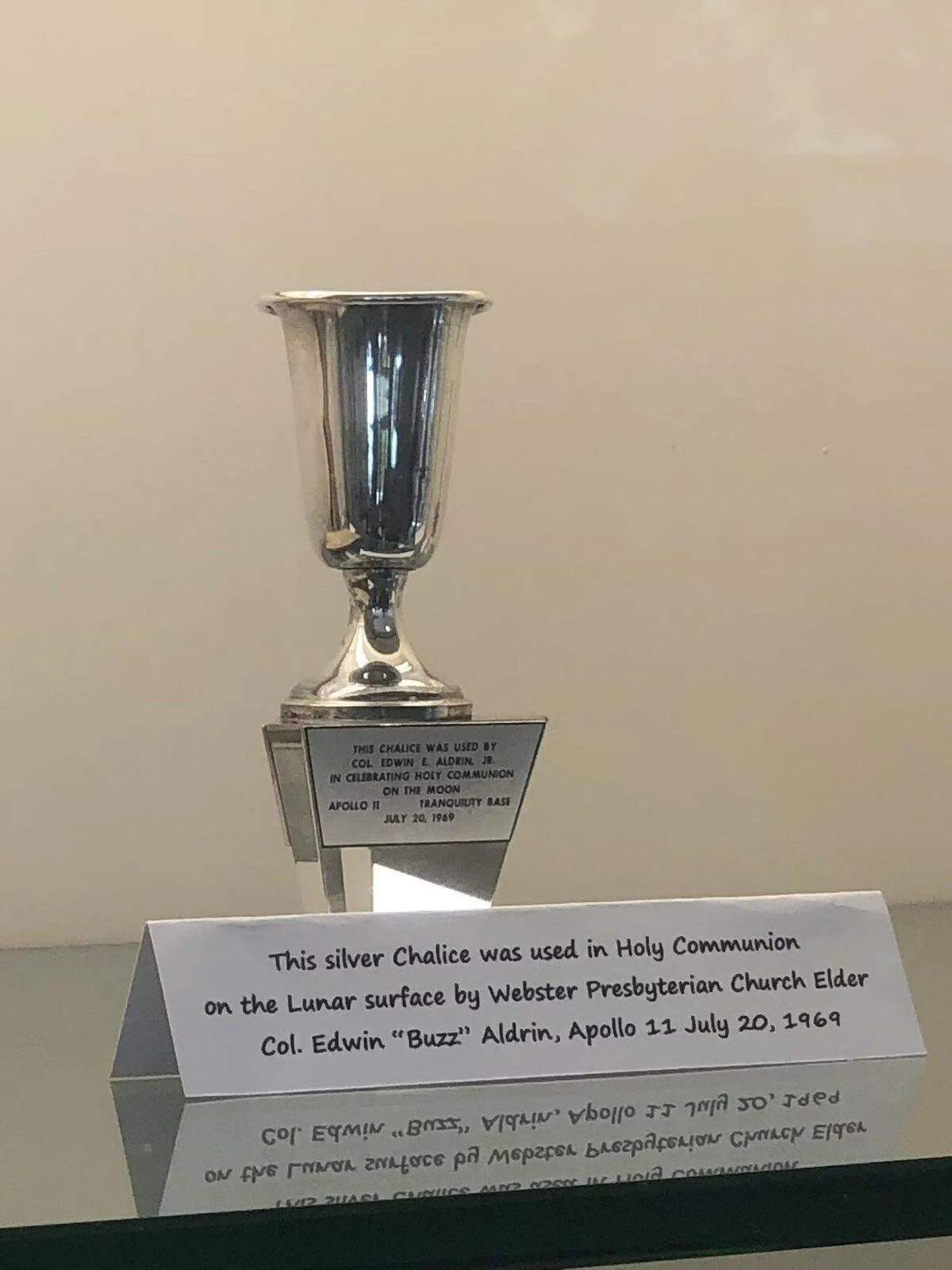
July 20, 1969 - Buzz Aldrin Takes Communion on the Moon
When most people think of the Apollo 11 mission, they remember the first human footsteps on the Moon. Less well known is the quiet act of worship that preceded them. After the Lunar Module Eagle landed safely on July 20, astronaut Buzz Aldrin, an elder at Webster Presbyterian Church near Houston, observed the Lord’s Supper before stepping onto the lunar surface.
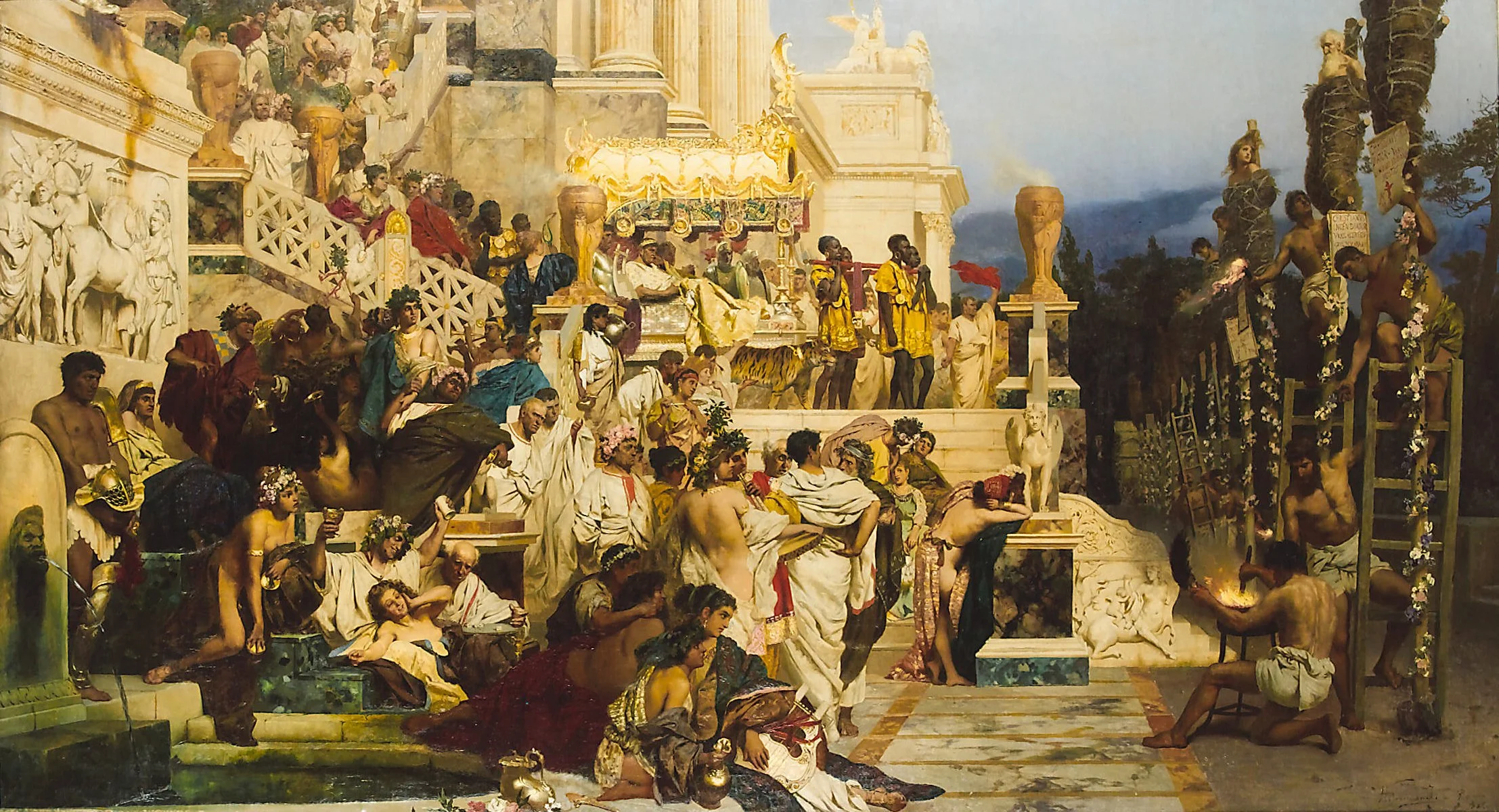
July 19, 64 A.D. - Emperor Nero Begins Persecuting Christians
In the aftermath of the Great Fire of Rome, Emperor Nero blamed the city's Christian community for the devastating blaze, launching what is widely regarded as the first major imperial persecution of Christians. Ancient historians disagree over whether Nero himself was responsible for the fire. Tacitus reported that many Romans suspected Nero had ordered the fire, while other ancient writers offered differing accounts. What is clear is that Nero seized upon the crisis to divert public anger by accusing Christians of arson.
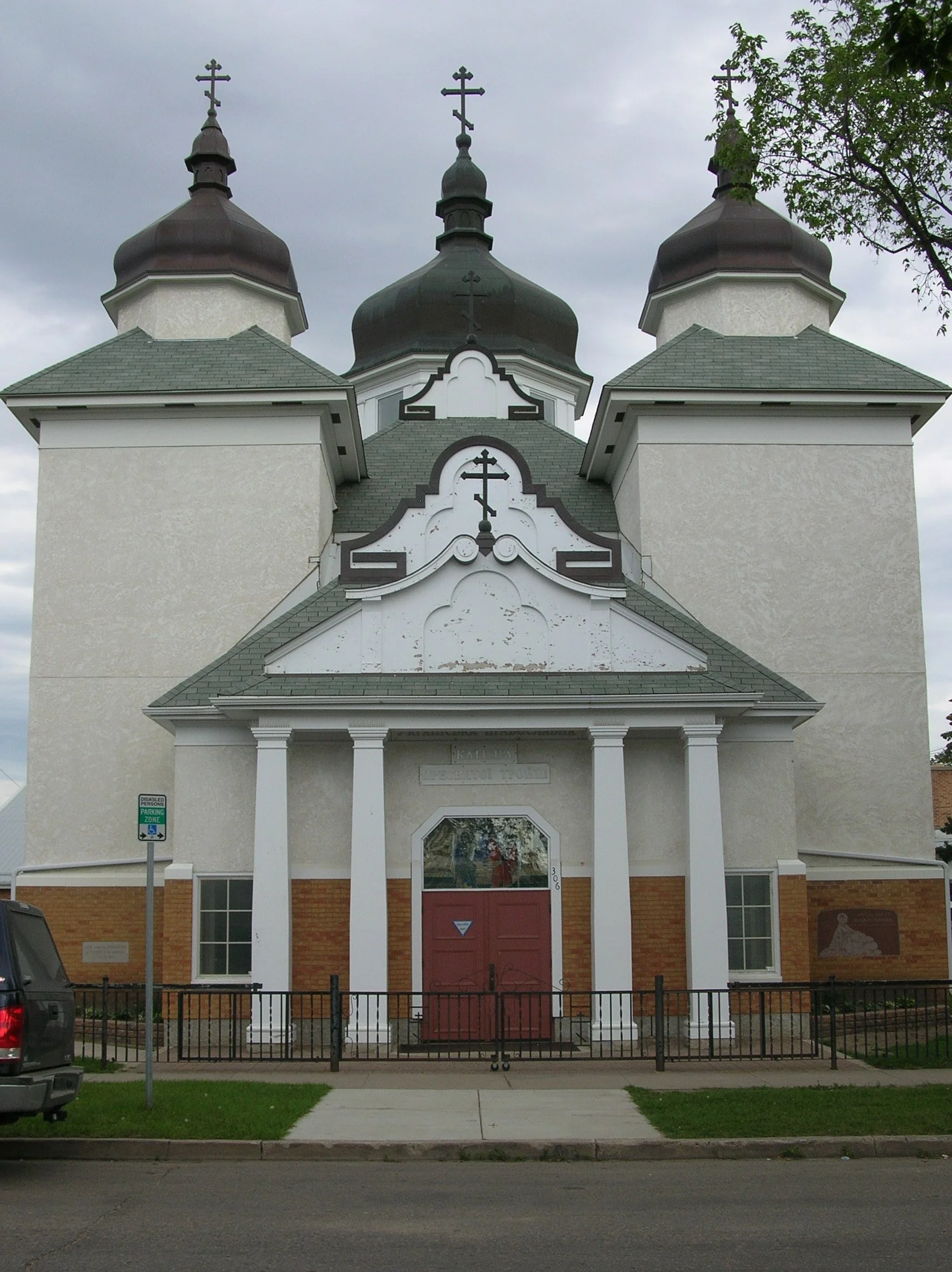
July 18, 1918 - Ukrainian Greek-Orthodox Church of Canada
Ukrainian immigrants across the Canadian prairies desired a church that reflected both their Orthodox faith and their Ukrainian heritage. Frustrated with the direction of both the Ukrainian Catholic hierarchy and the Russian Orthodox Mission in Canada, educator and community leader Wasyl Swystun joined thirty prominent laymen in calling a confidential meeting in Saskatoon, Saskatchewan. Over two days, 154 delegates from Manitoba, Saskatchewan, and Alberta debated the future of their religious communities and resolved to establish a Ukrainian Orthodox Brotherhood, laying the foundation for what would become the Ukrainian Greek-Orthodox Church of Canada.

July 17, 431 - Bishop John of Antioch Excommunicated at Council of Ephesus
On July 17, 431, the council excommunicated Bishop John of Antioch after he and a group of bishops arrived late and held a rival council that rejected the actions of the main assembly. The larger council, led by Cyril of Alexandria, condemned the teachings associated with Nestorius and affirmed that Mary could rightly be called Theotokos—meaning "God-bearer" or "Mother of God"—because Jesus Christ is one person who is fully God and fully man. Nestorius had argued that the title Christotokos ("Christ-bearer") was more appropriate, fearing that Theotokos confused Christ's divine and human natures.
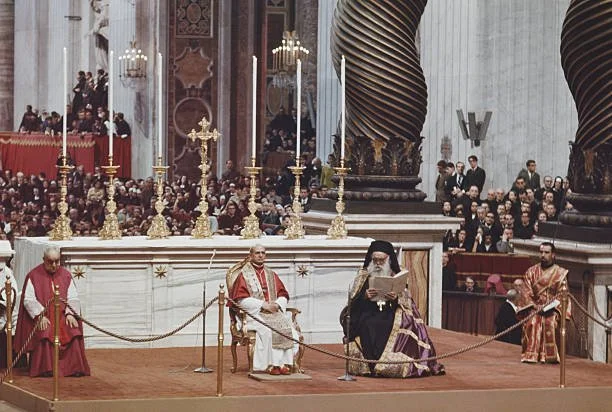
July 16, 1054 - The Great Schism
On July 16, 1054, one of the most consequential events in Christian history reached its breaking point. After centuries of growing disagreement, representatives of the bishop of Rome and the patriarch of Constantinople formally excommunicated one another, marking what became known as the Great Schism. Although political tensions and theological disputes had been building for generations, this dramatic exchange symbolized the permanent division between the Roman Catholic Church in the West and the Eastern Orthodox Church in the East.
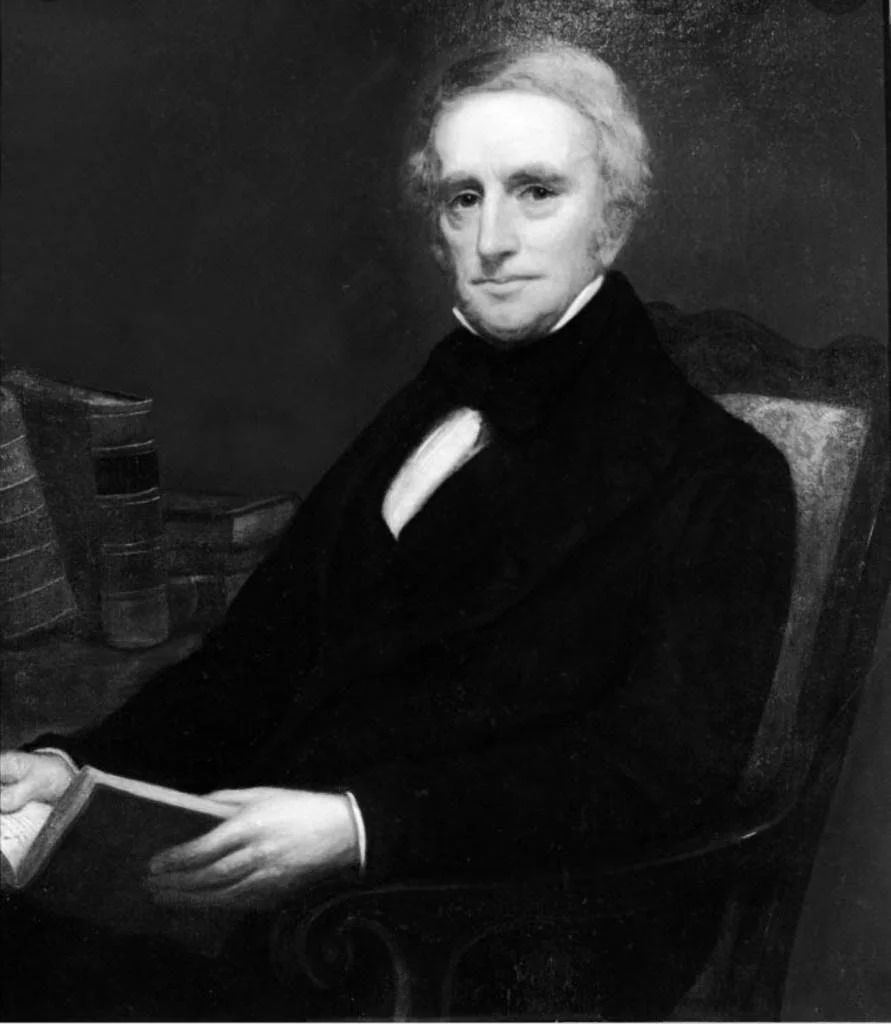
July 15, 1779 - Professor Clement Moore Born
Clement Clarke Moore reminds us that history often remembers people for accomplishments they never expected to become their legacy. Though he devoted his career to biblical scholarship and theological education, a poem he reportedly wrote simply to delight his children became one of the best-known works of American literature. His life also illustrates the close relationship between Christianity, education, and American culture during the early nineteenth century.

July 14, 1857 - Ting Ang Converts to Christianity
Ting Ang's story reminds us that lasting ministry often begins with quiet faithfulness rather than immediate success. After years with no converts, the first baptism became the foundation for a thriving Christian witness in southeastern China and illustrated how a single changed life can influence an entire community.
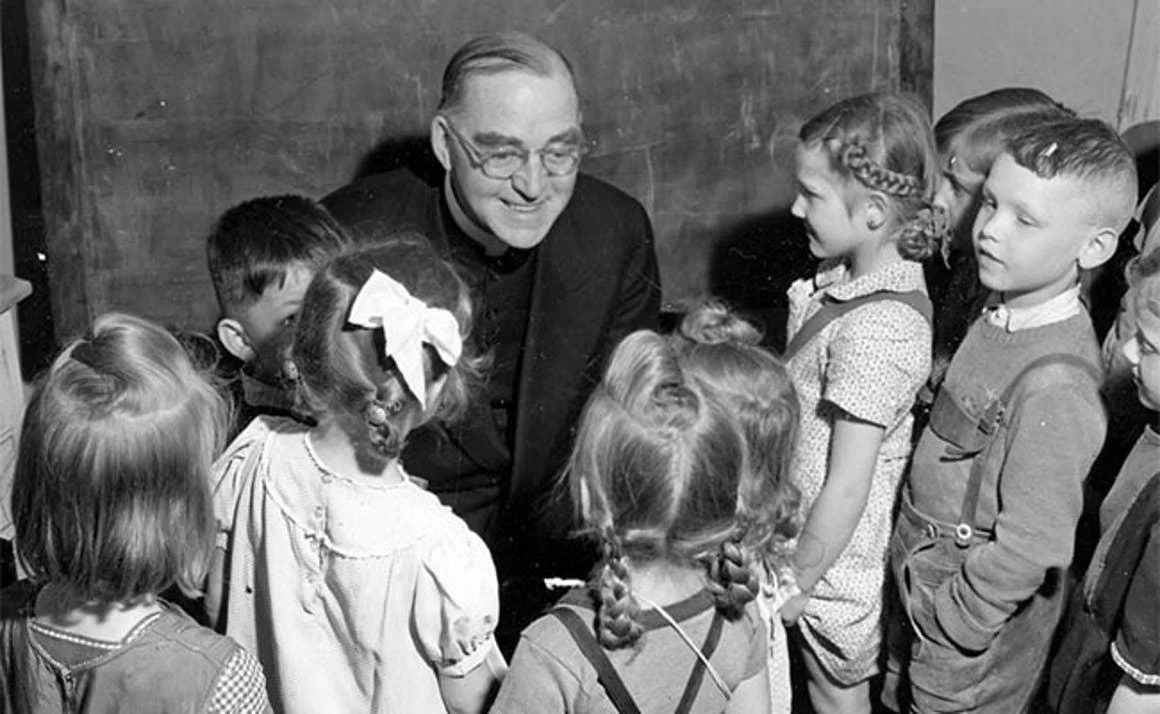
July 13, 1886 - Father Edward Flanagan Born
Father Edward Flanagan reminds Christians that the Gospel is not only preached from the pulpit but also demonstrated through compassionate care for society's most vulnerable. His unwavering belief that every child possesses God-given dignity continues to inspire ministries, educators, foster care organizations, and Christian charities around the world.
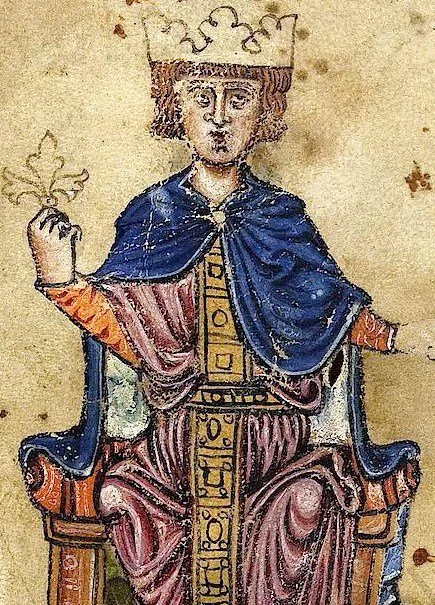
July 12, 1213 – Frederick II Signs the Golden Bull of Eger
The Golden Bull of Eger illustrates one of the defining tensions of medieval Christianity: the relationship between church and state. Frederick's willingness to surrender secular authority over the clergy demonstrated just how influential the medieval Church had become. The document also reminds us that political alliances between rulers and church leaders were often temporary, shaped by immediate needs rather than lasting harmony. The struggle between spiritual and temporal authority would continue to influence European history for centuries.
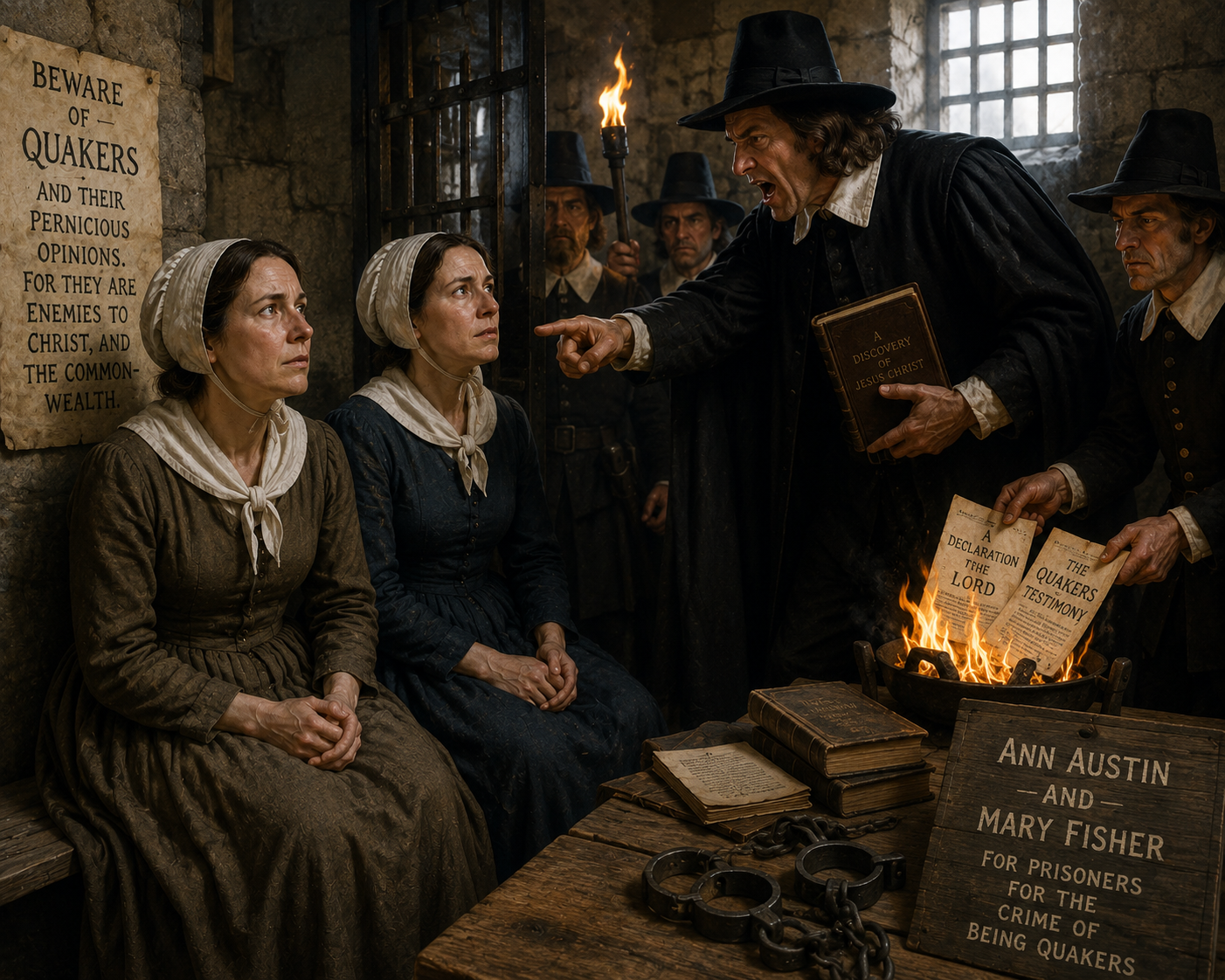
July 11, 1656 - First Quakers Arrive in America
The treatment of Ann Austin and Mary Fisher serves as a powerful reminder that the quest for religious liberty in America was often complicated and inconsistent. Many colonists who had fled religious persecution in Europe were themselves unwilling to extend that same freedom to those with different theological convictions. The suffering of the early Quakers helped shape later conversations about freedom of conscience and religious toleration—principles that would eventually become central to the American experiment.
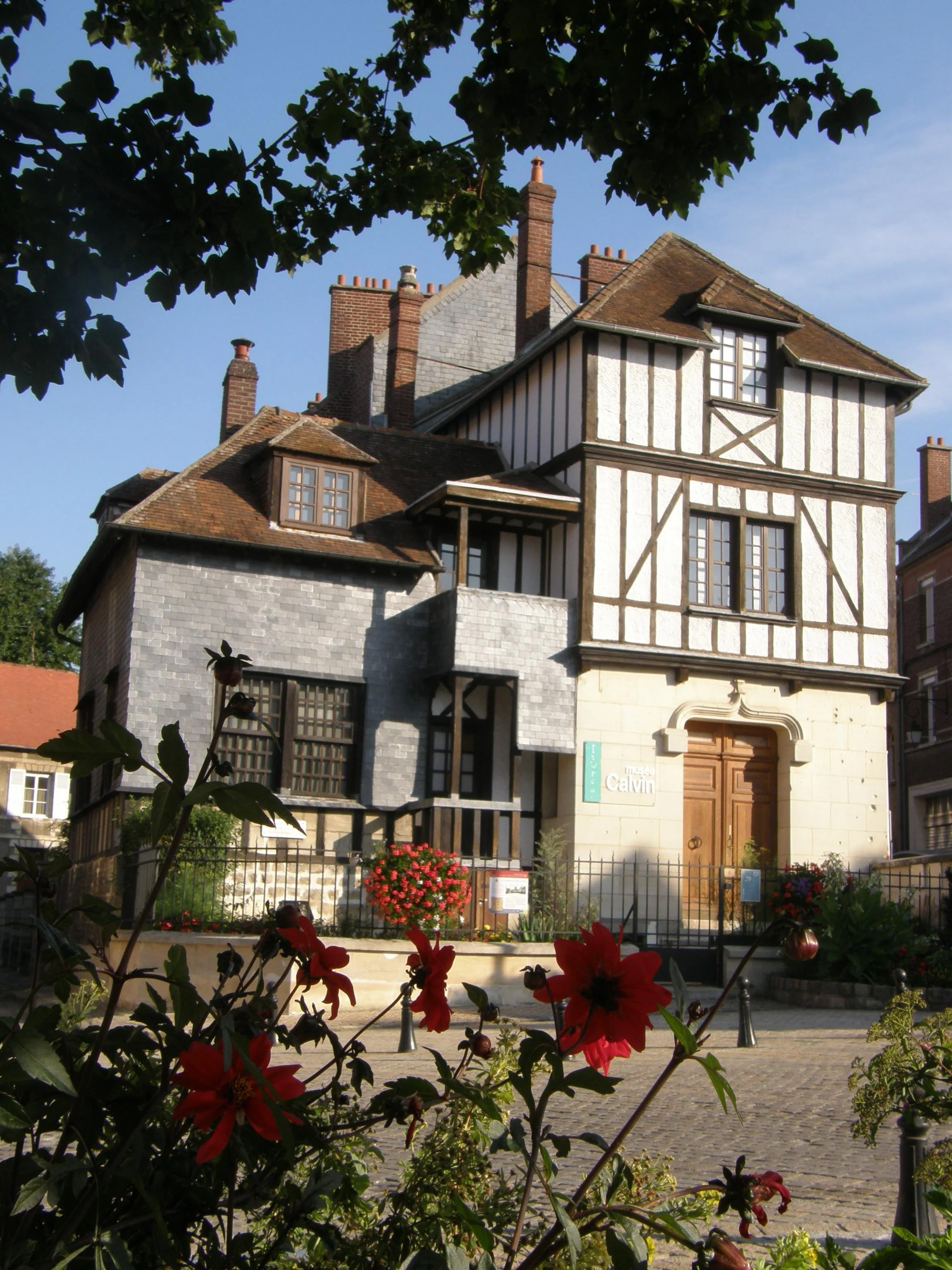
July 10, 1509 - John Calvin Born
John Calvin's legacy extends far beyond the churches that bear his theological name. His emphasis on the authority of Scripture, careful biblical study, and the glory of God helped shape Reformed Christianity and influenced Presbyterians, Congregationalists, many Baptists, and countless evangelical thinkers. More than five centuries after his birth, his writings remain among the most studied works of Christian theology.
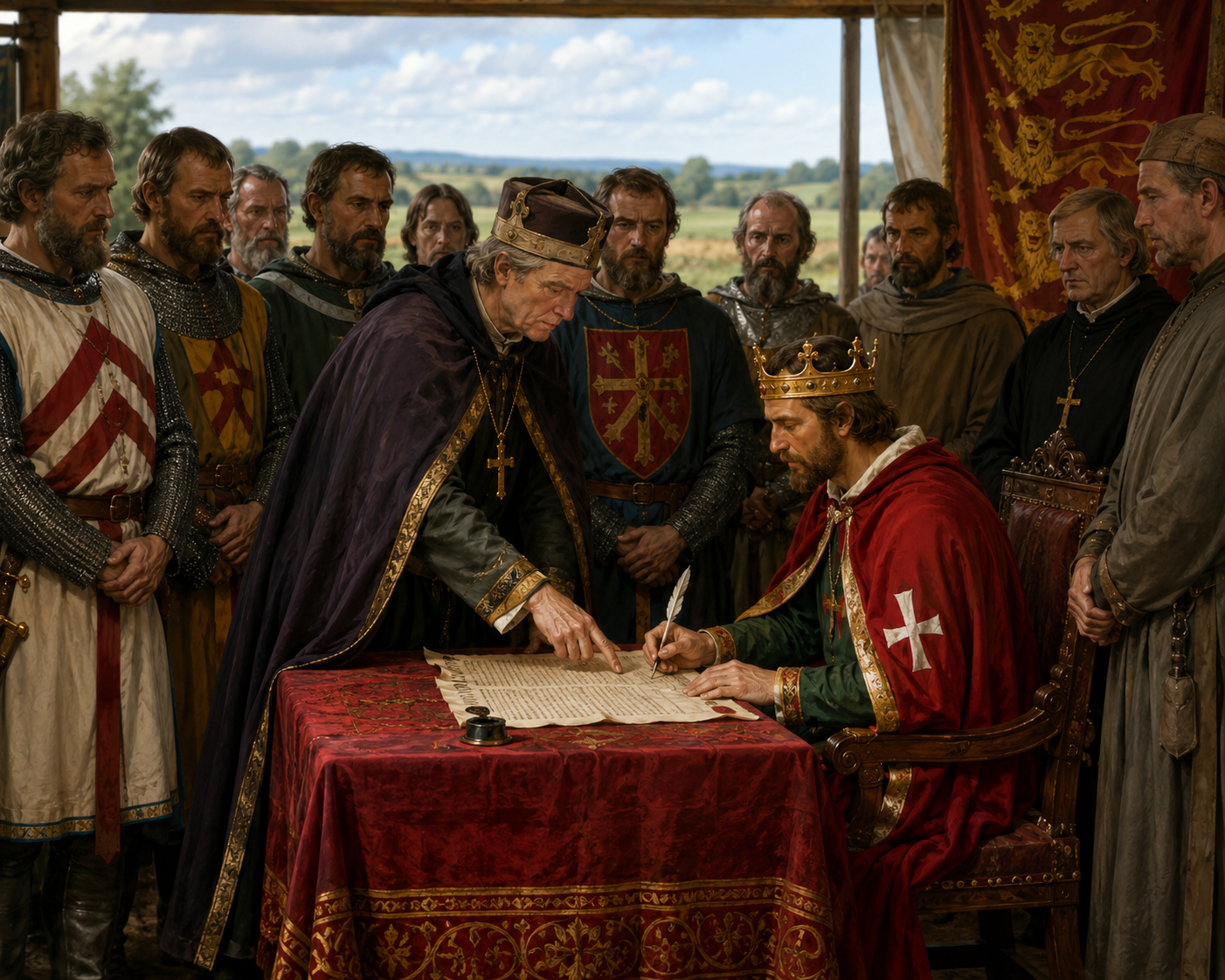
July 9, 1228 - Archbishop Stephen Langton Dies
Stephen Langton reminds us that not every lasting contribution to Christianity comes through preaching or writing theology. Sometimes the greatest impact comes from making God's Word more accessible. His chapter divisions transformed the study of Scripture, enabling Christians around the world to navigate the Bible with remarkable ease—a simple innovation that continues to serve the Church every day.
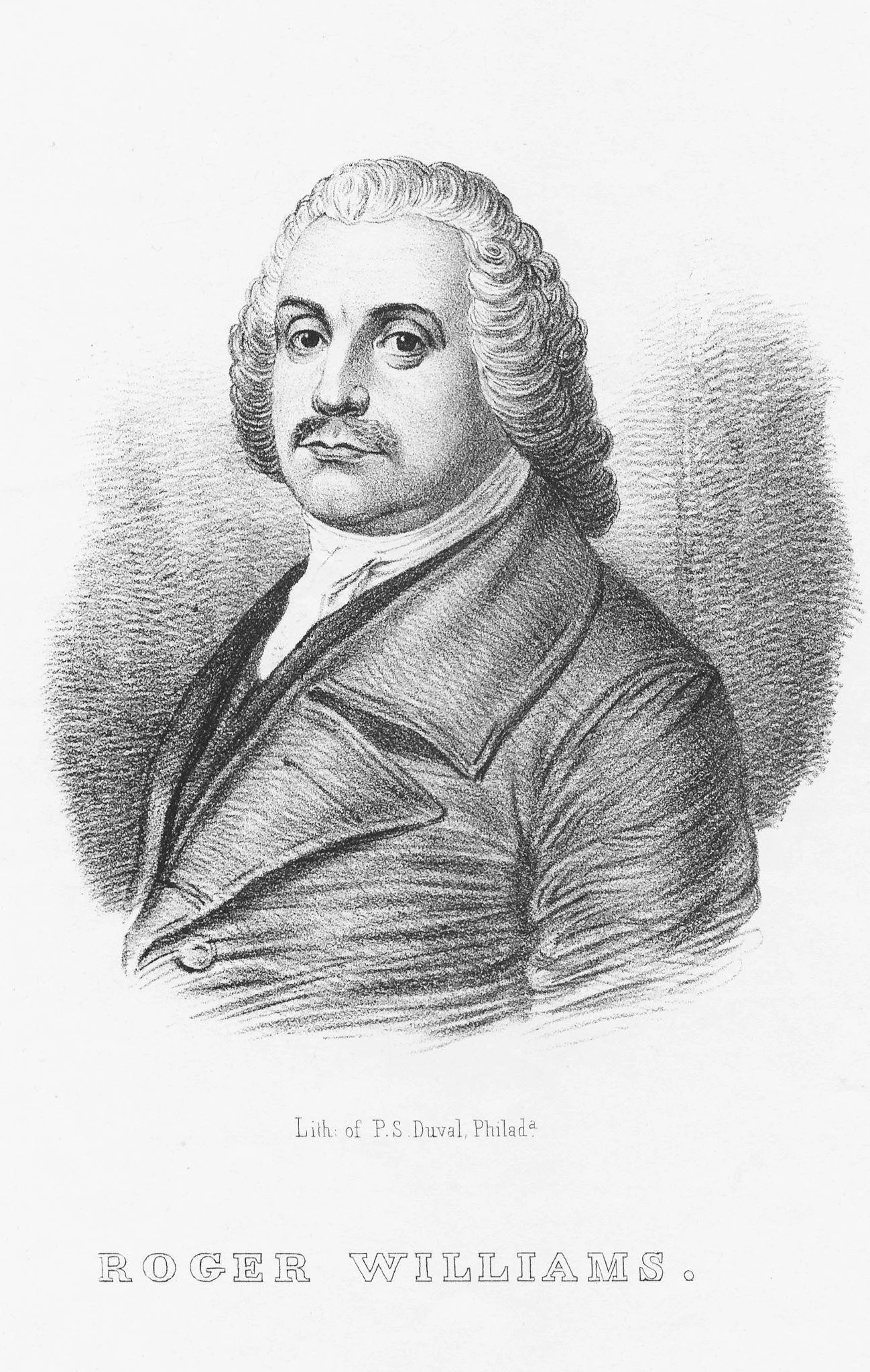
July 8, 1663 - Rhode Island Colony Chartered
Roger Williams demonstrated that a society could uphold Christian convictions while protecting the freedom of every individual to worship according to conscience. His ideas profoundly influenced the American understanding of religious liberty, leaving a legacy that continues to shape debates about faith, government, and individual rights today.
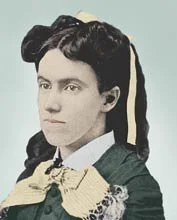
July 7, 1873 - Lottie Moon Appointed Missionary to China
Lottie Moon demonstrated that long-term Christian influence is built through faithful presence, cultural understanding, personal sacrifice, and genuine love for people. Her life reminds Christians that effective evangelism often begins with simple acts of compassion, and her legacy continues to shape global missions more than a century after her death.
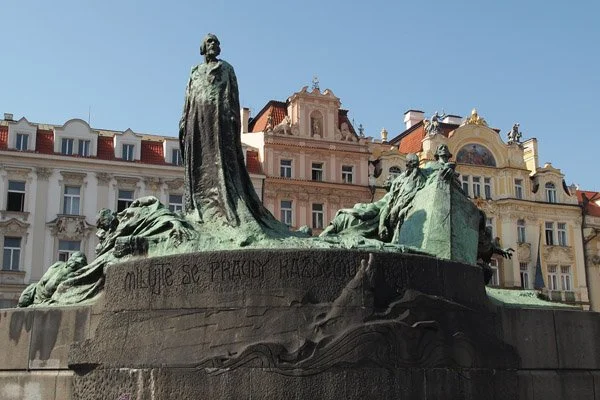
July 6, 1415 - Jan Hus Burned at the Stake
Jan Hus reminds us that the Protestant Reformation did not begin overnight. His commitment to Scripture, understandable worship, and personal conviction helped lay the foundation for one of the most significant movements in Christian history.
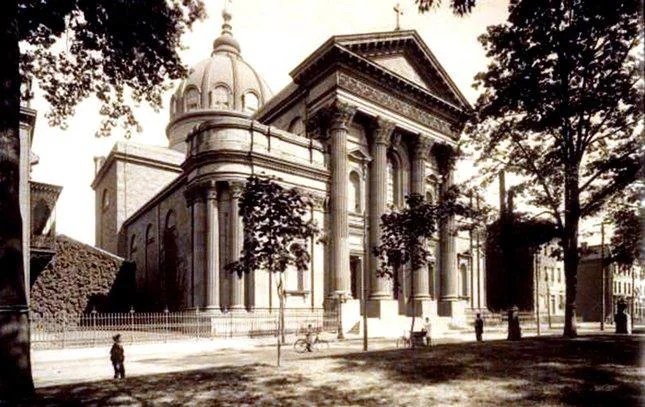
July 5, 1844 - Kensington Riots Begin
The defense of St. Philip Neri illustrates how religious liberty in America has often been tested during periods of intense social and political conflict. The events of July 1844 remind us that freedom of worship has sometimes required extraordinary courage from ordinary believers.
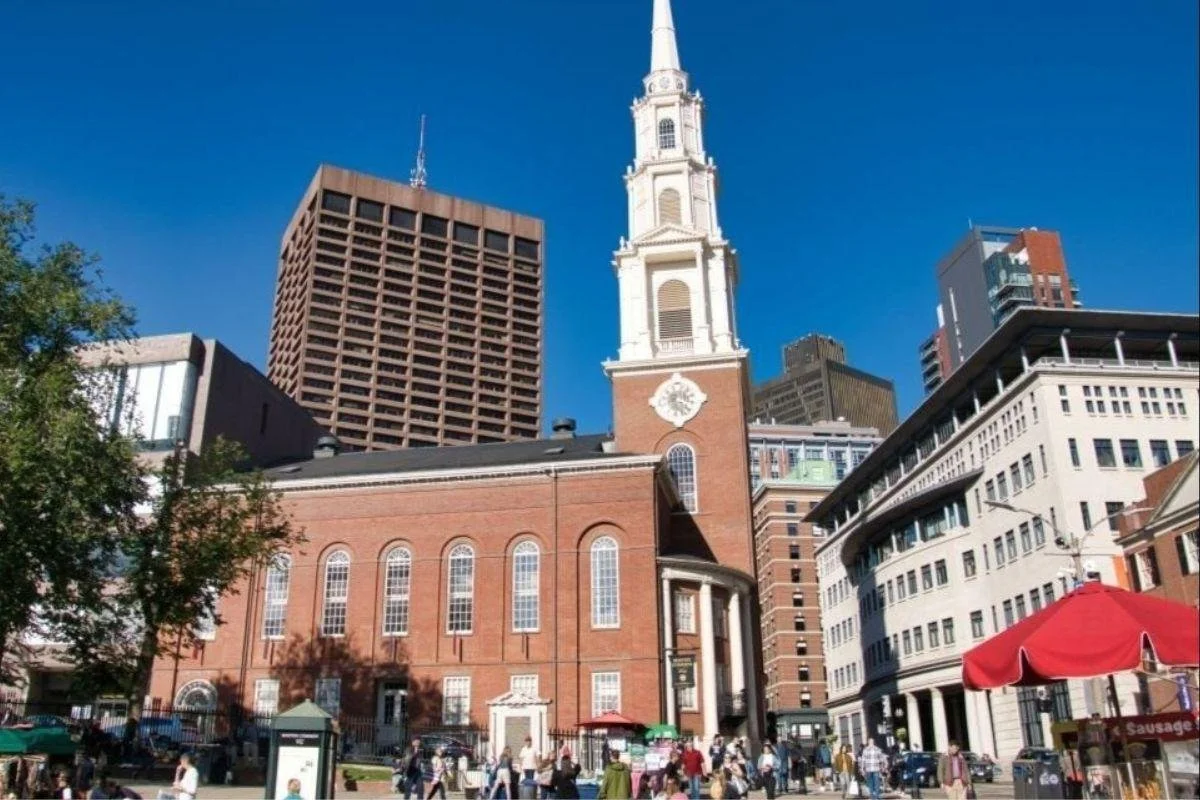
July 4, 1832 - "My Country 'Tis of Thee" Written
The debut of “My Country, ’Tis of Thee” reminds us that, in early nineteenth-century America, expressions of patriotism and Christian worship were often closely intertwined. Introduced within one of Boston's most influential evangelical churches, the hymn reflected a generation that saw gratitude for national freedom as something worthy of being expressed before God as well as before fellow citizens.

July 3, 529 - Synod of Orange
The Synod of Orange stands as one of the most influential church councils you've probably never heard of. While it never achieved the status of an ecumenical council like Nicaea or Chalcedon, its conclusions helped define the Western Church's understanding of salvation for centuries. By affirming that every aspect of salvation begins with God's grace while preserving genuine human responsibility, the synod rejected both Pelagianism and more extreme forms of predestination. Its balanced treatment of grace and free will influenced medieval theology, shaped Roman Catholic teaching, and continues to be cited in discussions between Catholics and Protestants today. Few regional councils have left such a lasting theological legacy.
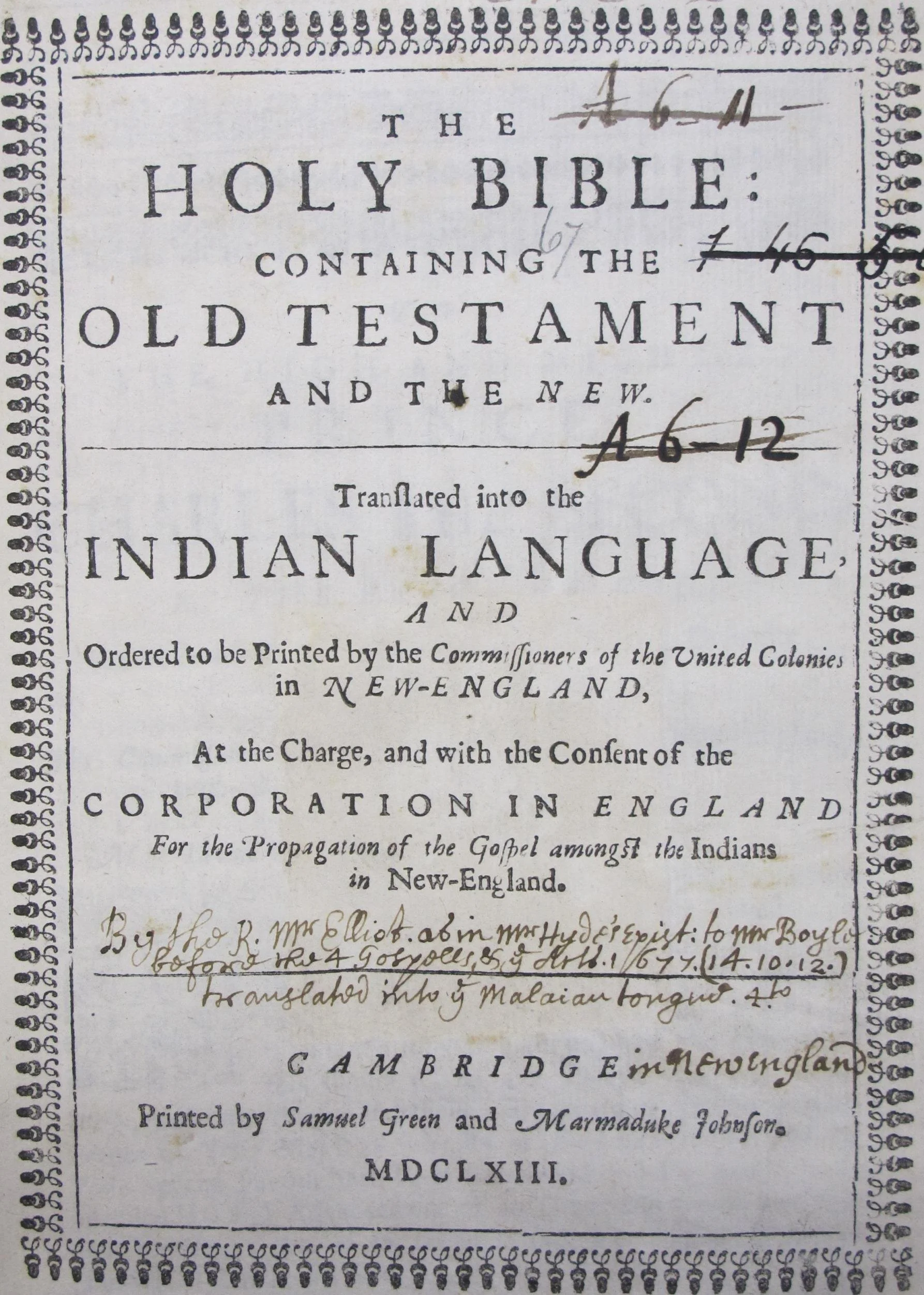
July 2, 1752 - First Bible Printed for the Algonquian People
Eliot's Bible reminds us that Christian missions have often been inseparable from the work of translation. From the earliest centuries of the Church, believers recognized that the gospel was not confined to one language or culture. By investing years in learning the language of the Algonquian people, Eliot demonstrated a conviction that every nation and every people deserved access to Scripture in words they could understand. His Bible stands as one of the earliest and most enduring monuments to Bible translation in North American history.